
Business
HMRC Implements New Penalties Affecting 12 Million Taxpayers

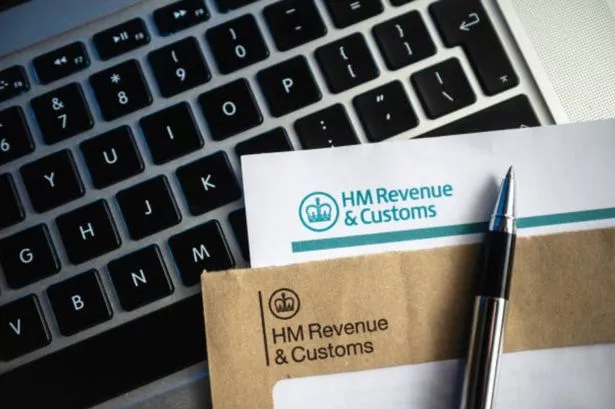
The UK’s tax authority, HM Revenue and Customs (HMRC), has announced significant changes to penalties that could impact over 12 million taxpayers. These changes, effective from the end of January, are designed to encourage timely submissions of Self Assessment tax returns for the previous tax year, which runs from April 6, 2024, to April 5, 2025.
Taxpayers must file their returns by the midnight deadline on January 31. Failure to do so will result in an immediate penalty of £100. In addition to this initial fine, individuals will incur further charges of £10 per day after three months, potentially reaching a maximum of £900.
Revised Interest Rates and Penalties
The HMRC has revised interest rates for late payments, a move that aims to mitigate the financial burden on taxpayers while ensuring compliance. If a payment is made 30 days late, a penalty of 5% of the total tax owed will be imposed. An additional 5% will be charged if the payment is six months late, followed by another 5% after twelve months.
Currently, the interest rate for late payments is set at the Bank of England’s base rate plus 4%, which equates to a rate of 8%. However, following a recent reduction in the base rate to 3.75%, this late payment interest rate will decrease to 7.75% starting next month.
According to HMRC, “HMRC interest rates are set in legislation and are linked to the Bank of England base rate. Late payment interest is currently set at base rate plus 4%. Repayment interest is set at base rate minus 1%, with a lower limit — or ‘minimum floor’ — of 0.5%.” This structure is intended to promote prompt payments and maintain fairness for those who comply with tax obligations on time.
Encouraging Timely Payments
The adjustments to late payment penalties and interest rates are part of HMRC’s ongoing effort to foster a culture of timely tax compliance among UK taxpayers. The agency emphasizes that the differential between late payment interest and repayment interest aligns with practices of other tax authorities globally and is favorable compared to commercial lending rates.
These changes highlight the importance of adhering to tax deadlines and encourage taxpayers to file their returns promptly to avoid incurring additional penalties. As the January 31 deadline approaches, HMRC urges taxpayers to prepare their returns in advance to ensure compliance and avoid unnecessary fines.
With these updated regulations, the HMRC aims to streamline the tax collection process while providing a clear framework for penalties and interest rates, ultimately benefiting both the treasury and compliant taxpayers.












Belfast Gears Up for Vibrant St Patrick’s Day Parade on March 17

Cuba Faces Nationwide Blackout Amid Deepening Energy Crisis

Wirral Council to Restructure Leadership, Cutting Two Top Roles

Rethinking Resistance Training: Key Insights from US Experts

EU Membership on the Horizon: What It Means for Citizens

Ukrainian Drone Swarms Strike Moscow Region for Second Day

Henley Launches Innovative Initiative to Boost Local Economy

Court Ruling Allows Pandemic Tax Refund Claims Until 2026

Sean Penn’s Absence at 2026 Oscars Sparks Discussion

Coronation Street’s Shocking Murder Twist Reveals Family Secrets

Andrew Pierce Confirms Departure from ITV’s Good Morning Britain

Katie Price Faces New Health Concerns After Cancer Symptoms Resurface

Sue Radford Reveals Weight Loss Journey, Shedding 12–13 kg

Kate Garraway Sells £2 Million Home Amid Financial Struggles

Jordan Brook Faces Health Crisis in Hospital as Sophie Kasaei Stays Away

EastEnders’ Nicola Mitchell Faces Unexpected Pregnancy Crisis

Bailey Announces Heartbreaking Split from Rebecca After Reunion

Ann Ming Reflects on ITV’s ‘I Fought the Law’ Drama
-
 World4 months ago
Coronation Street’s Shocking Murder Twist Reveals Family Secrets
-
 Entertainment4 months ago
Andrew Pierce Confirms Departure from ITV’s Good Morning Britain
-
 Health7 months ago
Katie Price Faces New Health Concerns After Cancer Symptoms Resurface
-
 Health2 months ago
Sue Radford Reveals Weight Loss Journey, Shedding 12–13 kg
-
 Entertainment8 months ago
Kate Garraway Sells £2 Million Home Amid Financial Struggles
-
 Entertainment3 weeks ago
Jordan Brook Faces Health Crisis in Hospital as Sophie Kasaei Stays Away
-
 World5 months ago
EastEnders’ Nicola Mitchell Faces Unexpected Pregnancy Crisis
-
 World5 months ago
Bailey Announces Heartbreaking Split from Rebecca After Reunion
-
 Entertainment7 months ago
Ann Ming Reflects on ITV’s ‘I Fought the Law’ Drama
-

 Entertainment2 months ago
Selena Gomez’s Name Linked to Epstein: Examining the Claims
-

 Health7 months ago
TOWIE Stars Sophie Kasaei and Jordan Brook Pursue Fertility Treatment
-

 Health7 months ago
Fiona Phillips’ Husband Shares Heartbreaking Update on Her Health