
Business
Hairdressers Face Financial Crisis Amid Rising Costs and Regulations

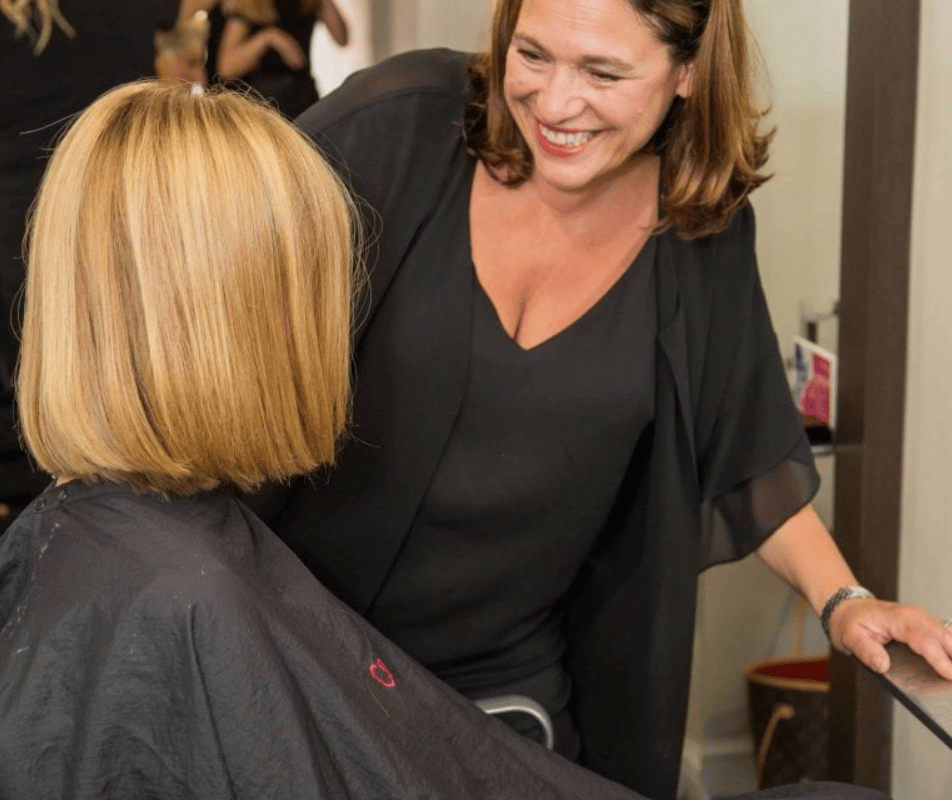
High streets across the UK are witnessing a crisis among hairdressing salons and barbershops, attributed to escalating business costs driven by government policies. Increased business rates, rising employer’s national insurance contributions, and significant hikes in the national minimum wage are placing severe financial pressure on these establishments.
Carolyn Sweeney, owner of Creations Hair and Beauty, convened a meeting with salon owners and East Hampshire MP Damian Hinds to address these pressing issues. Sweeney expressed grave concerns regarding her financial forecasts for 2026, emphasizing the potential impact on her business and the livelihoods of her 30 employees and their families.
Sweeney stated, “While I do not dispute the principle of fair pay, the 18 percent national living wage increase in 2025, followed by a further six percent increase in 2026, is making apprenticeships financially impossible.” Many college-trained stylists, although equipped with national vocational qualifications, often lack the commercial readiness required by salons and demand additional training, compounding the financial strain on businesses.
The challenges are particularly acute for younger workers aged 18 to 20, as the increasing wage gap with the national living wage renders the hiring and training of apprentices unsustainable. Sweeney highlighted that the new requirement for statutory sick pay from the start of employment has rendered part-time positions financially unviable for many young people, further threatening the future of salons.
According to Sweeney, reforms in business rates are actively pushing salons out of high street locations, while the impact of increased employer’s national insurance contributions is exacerbated by the fact that around 70 percent of stylists are self-employed, leading to a drop in service prices. Without immediate intervention, she warned, “there will soon be no salons left on the high street.”
Hinds also acknowledged the alarming situation faced by local hairdressers, stating, “When I recently met with local hairdressers from across East Hampshire, they were united in how tough things have become and in how urgently support is needed if we are to keep salons on our high streets.” He noted that over the past 18 months, these businesses have been severely impacted by rising costs, including the national insurance hike, and now face sharp increases in business rates.
Highlighting the importance of these establishments, Hinds remarked that hairdressers and barbers are integral to the vitality of town centres, attracting customers who subsequently support cafés, shops, and other local businesses. He stressed that the services provided by salons cannot be moved online, adding to their significance in the community.
The MP called for a clear response from the Chancellor regarding support for high street businesses facing sudden and substantial cost increases. While the government has begun to recognize the challenges facing pubs, Hinds pointed out that a similar case must be made for hairdressers, as well as for restaurants, cafés, and hotels.
As the situation develops, the future of hairdressing establishments on high streets remains uncertain. The combination of rising operational costs and regulatory pressures poses a significant threat to a sector that not only provides essential services but also supports local economies and employment.













Belfast Gears Up for Vibrant St Patrick’s Day Parade on March 17

Cuba Faces Nationwide Blackout Amid Deepening Energy Crisis

Wirral Council to Restructure Leadership, Cutting Two Top Roles

Rethinking Resistance Training: Key Insights from US Experts

EU Membership on the Horizon: What It Means for Citizens

Ukrainian Drone Swarms Strike Moscow Region for Second Day

Henley Launches Innovative Initiative to Boost Local Economy

Court Ruling Allows Pandemic Tax Refund Claims Until 2026

Sean Penn’s Absence at 2026 Oscars Sparks Discussion

Coronation Street’s Shocking Murder Twist Reveals Family Secrets

Andrew Pierce Confirms Departure from ITV’s Good Morning Britain

Katie Price Faces New Health Concerns After Cancer Symptoms Resurface

Sue Radford Reveals Weight Loss Journey, Shedding 12–13 kg

Kate Garraway Sells £2 Million Home Amid Financial Struggles

Jordan Brook Faces Health Crisis in Hospital as Sophie Kasaei Stays Away

EastEnders’ Nicola Mitchell Faces Unexpected Pregnancy Crisis

Bailey Announces Heartbreaking Split from Rebecca After Reunion

Ann Ming Reflects on ITV’s ‘I Fought the Law’ Drama
-
 World4 months ago
Coronation Street’s Shocking Murder Twist Reveals Family Secrets
-
 Entertainment4 months ago
Andrew Pierce Confirms Departure from ITV’s Good Morning Britain
-
 Health7 months ago
Katie Price Faces New Health Concerns After Cancer Symptoms Resurface
-
 Health3 months ago
Sue Radford Reveals Weight Loss Journey, Shedding 12–13 kg
-
 Entertainment8 months ago
Kate Garraway Sells £2 Million Home Amid Financial Struggles
-
 Entertainment4 weeks ago
Jordan Brook Faces Health Crisis in Hospital as Sophie Kasaei Stays Away
-
 World5 months ago
EastEnders’ Nicola Mitchell Faces Unexpected Pregnancy Crisis
-
 World5 months ago
Bailey Announces Heartbreaking Split from Rebecca After Reunion
-
 Entertainment7 months ago
Ann Ming Reflects on ITV’s ‘I Fought the Law’ Drama
-

 Entertainment2 months ago
Selena Gomez’s Name Linked to Epstein: Examining the Claims
-

 Health7 months ago
TOWIE Stars Sophie Kasaei and Jordan Brook Pursue Fertility Treatment
-

 Health8 months ago
Fiona Phillips’ Husband Shares Heartbreaking Update on Her Health