
Business
Battery Electric Cars Set to Surpass Diesel Vehicles by 2030

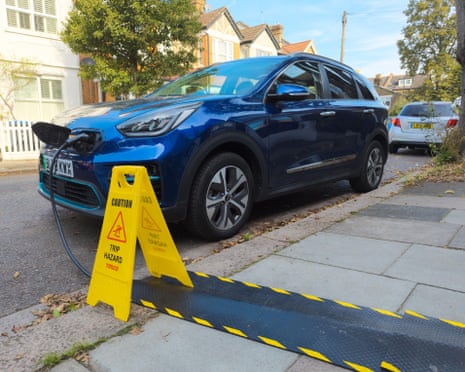
Battery electric vehicles (BEVs) are expected to surpass diesel cars on the roads of Great Britain by the year 2030, according to a recent analysis by the think tank New AutoMotive. The report highlights that London is likely to be the first city in the UK to achieve a diesel-free status, driven by increasing regulations and the growing popularity of electric vehicles.
The number of diesel cars in Great Britain has already seen a significant decline, dropping to 9.9 million in June 2022, which is 21% lower than its peak of 12.4 million vehicles. Electric vehicle sales, although still growing, are doing so at a slower pace than anticipated by manufacturers. In contrast, diesel vans have seen a continuous rise, now totaling a record 4.4 million on the roads.
The decline in diesel car sales follows a period in the 2000s when the UK government promoted diesel vehicles through lower tax rates. Diesel engines gained popularity due to their fuel efficiency, burning less fuel and emitting less carbon dioxide compared to petrol engines. However, they also produce higher levels of harmful nitrous oxides. The infamous 2015 Volkswagen emissions scandal, which revealed that the automaker had developed software to cheat on emissions tests, led to a sharp decline in diesel car sales. The scandal resulted in costs exceeding €30 billion (approximately £26 billion) for Volkswagen worldwide in fines, compensation, and legal expenses.
As a result of the scandal, sales of diesel vehicles plummeted to fewer than 100,000 in the first eleven months of 2025. However, the transition away from diesel vehicles will take time, as many cars purchased during the peak years are still in use. In 2022, battery electric cars made up only 4% of the overall vehicle count in the UK, while diesel vehicles accounted for 32% and petrol vehicles 58%, according to the Society of Motor Manufacturers and Traders (SMMT).
Future of Diesel and Electric Vehicles
The decrease in diesel vehicle numbers is expected to benefit urban areas, where air quality issues are a growing concern. As older diesel cars are scrapped, cities may witness improvements in air quality. This trend is likely to influence fuel stations, which may start to withdraw diesel supplies in response to declining demand.
London is projected to be the first UK city to cease diesel vehicle registrations, largely due to the implementation of the ultra-low emission zone (Ulez), which imposes charges on non-compliant vehicles. Diesel vehicle numbers are also decreasing rapidly in central Scotland, particularly in cities such as Edinburgh and Glasgow, both of which have established low-emission zones.
Ben Nelmes, the chief executive of New AutoMotive, stated, “Ending the use of diesel is essential to clean up Britain’s choking cities.” He added, “The UK is now rolling out electric cars at a rapid pace, and this is great news for everyone that enjoys clean air, quieter streets and really cheap running costs.”
The shift to electric vehicles also addresses the UK’s dependence on diesel imports, which costs billions of pounds annually. “Thankfully, we’re switching to electric cars at a rapid rate, and that will make the country cleaner and wealthier,” Nelmes remarked.
Despite this optimistic outlook, the report indicates that urban residents are selling their diesel vehicles to rural areas, where demand may still exist. While the number of diesel vans has increased over the past decade, the peak of new diesel van sales likely occurred before the pandemic, suggesting a future decline.
Matt Finch, an environmental policy expert and co-author of the report, emphasized that the world is “leaving the diesel age.” He acknowledged the historical significance of diesel engines but noted that their time has passed.
The transition to battery electric vehicles represents not only a shift in transportation but also a significant step towards addressing environmental and public health challenges. As the UK moves closer to its goal of a diesel-free future, the implications for air quality and urban living are poised to be profound.













Belfast Gears Up for Vibrant St Patrick’s Day Parade on March 17

Cuba Faces Nationwide Blackout Amid Deepening Energy Crisis

Wirral Council to Restructure Leadership, Cutting Two Top Roles

Rethinking Resistance Training: Key Insights from US Experts

EU Membership on the Horizon: What It Means for Citizens

Ukrainian Drone Swarms Strike Moscow Region for Second Day

Henley Launches Innovative Initiative to Boost Local Economy

Court Ruling Allows Pandemic Tax Refund Claims Until 2026

Sean Penn’s Absence at 2026 Oscars Sparks Discussion

Coronation Street’s Shocking Murder Twist Reveals Family Secrets

Andrew Pierce Confirms Departure from ITV’s Good Morning Britain

Katie Price Faces New Health Concerns After Cancer Symptoms Resurface

Gyles Brandreth Shares Grandson’s Cancer Battle and Recovery

Sue Radford Reveals Weight Loss Journey, Shedding 12–13 kg

Kate Garraway Sells £2 Million Home Amid Financial Struggles

Jordan Brook Faces Health Crisis in Hospital as Sophie Kasaei Stays Away

EastEnders’ Nicola Mitchell Faces Unexpected Pregnancy Crisis

Reddit Study Reveals Distinctions Between Lurkers and Power Users
-
 World9 months ago
Coronation Street’s Shocking Murder Twist Reveals Family Secrets
-
 Entertainment9 months ago
Andrew Pierce Confirms Departure from ITV’s Good Morning Britain
-
 Health12 months ago
Katie Price Faces New Health Concerns After Cancer Symptoms Resurface
-
 Health7 months ago
Gyles Brandreth Shares Grandson’s Cancer Battle and Recovery
-
 Health7 months ago
Sue Radford Reveals Weight Loss Journey, Shedding 12–13 kg
-
 Entertainment1 year ago
Kate Garraway Sells £2 Million Home Amid Financial Struggles
-
 Entertainment5 months ago
Jordan Brook Faces Health Crisis in Hospital as Sophie Kasaei Stays Away
-
 World10 months ago
EastEnders’ Nicola Mitchell Faces Unexpected Pregnancy Crisis
-
 Science9 months ago
Reddit Study Reveals Distinctions Between Lurkers and Power Users
-

 World9 months ago
Mother Charged After Son, 9, Killed in Tragic Incident in Italy
-

 Entertainment12 months ago
Ann Ming Reflects on ITV’s ‘I Fought the Law’ Drama
-

 World9 months ago
Bailey Announces Heartbreaking Split from Rebecca After Reunion