
Lifestyle
Royal Mail Unveils New Stamp Collection Celebrating English Roses

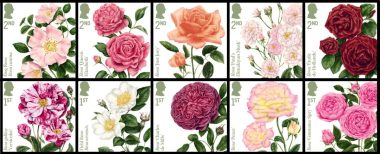
Royal Mail has launched an enchanting new stamp collection celebrating the beauty of English roses. The collection features ten stamps adorned with original watercolour illustrations created by renowned botanical artist Marie Burke. Each stamp showcases a unique selection of wild and cultivated roses, aiming to highlight the national affection for this iconic flower.
Showcasing Timeless Beauty
The stamps include a variety of roses such as Constance Spry, the first English rose bred by David Austin in 1961, which marked a pivotal moment in rose breeding. This flower is notable for combining the beauty and fragrance of traditional roses with the blooming efficiency of contemporary varieties. The collection presents an array of roses, from the delicate dog rose (Rosa canina) to the classic Rosa Peace and the fragrant Rosa Paul’s Himalayan Musk.
Other roses featured in this collection include Rosa Queen Elizabeth, Rosa Just Joey, Rosa Étoile de Hollande, Rosa gallica versicolor, Rosa Charles de Mills, and the field rose (Rosa arvensis). Each stamp artfully captures the unique colour, form, and character of these beloved flowers, showcasing their significance in both gardens and British culture.
A Celebration of Heritage and Innovation
This stamp issue coincides with the 100th anniversary of the birth of David CH Austin OBE, whose innovative work in rose breeding has left a lasting impact. Austin’s efforts helped revive the romance and fragrance of roses, making them a staple in gardens across the UK and beyond.
David Gold, Royal Mail’s Director of External Affairs and Policy, remarked, “Roses are a familiar part of many British gardens as well as holding a special place in British culture and heritage.” He added that the stamps merge art and horticulture through Burke’s original illustrations, which aim to authentically represent each rose’s character.
The collection was developed in collaboration with horticultural historian Jennifer Potter, who contributed valuable insights into the history of these remarkable flowers. All modern garden roses can trace their lineage back to wild ancestors native to the northern hemisphere, which traditionally bore single, five-petalled flowers.
Over centuries, these wild varieties gradually evolved into garden cultivars, first through natural mutation and later through intentional breeding techniques. Old European roses, such as gallicas, albas, damasks, and centifolias, are particularly cherished for their rich scents and early summer blooms.
In the 18th century, the introduction of Chinese roses marked a significant shift in rose breeding practices, leading to repeat flowering and the emergence of the popular hybrid tea roses of today. This evolution reflects the ongoing appreciation and fascination with roses, which continue to inspire both gardeners and artists alike.
The new stamps and a selection of collectible products are available for purchase at royalmail.com/roses or by calling 03457 641641. A presentation pack containing all ten stamps is priced at £13.75.




Belfast Gears Up for Vibrant St Patrick’s Day Parade on March 17

Cuba Faces Nationwide Blackout Amid Deepening Energy Crisis

Wirral Council to Restructure Leadership, Cutting Two Top Roles

Rethinking Resistance Training: Key Insights from US Experts

EU Membership on the Horizon: What It Means for Citizens

Ukrainian Drone Swarms Strike Moscow Region for Second Day

Henley Launches Innovative Initiative to Boost Local Economy

Court Ruling Allows Pandemic Tax Refund Claims Until 2026

Sean Penn’s Absence at 2026 Oscars Sparks Discussion

Coronation Street’s Shocking Murder Twist Reveals Family Secrets

Andrew Pierce Confirms Departure from ITV’s Good Morning Britain

Katie Price Faces New Health Concerns After Cancer Symptoms Resurface

Gyles Brandreth Shares Grandson’s Cancer Battle and Recovery

Sue Radford Reveals Weight Loss Journey, Shedding 12–13 kg

Kate Garraway Sells £2 Million Home Amid Financial Struggles

Jordan Brook Faces Health Crisis in Hospital as Sophie Kasaei Stays Away

EastEnders’ Nicola Mitchell Faces Unexpected Pregnancy Crisis

Reddit Study Reveals Distinctions Between Lurkers and Power Users
-
 World8 months ago
Coronation Street’s Shocking Murder Twist Reveals Family Secrets
-
 Entertainment8 months ago
Andrew Pierce Confirms Departure from ITV’s Good Morning Britain
-
 Health11 months ago
Katie Price Faces New Health Concerns After Cancer Symptoms Resurface
-
 Health6 months ago
Gyles Brandreth Shares Grandson’s Cancer Battle and Recovery
-
 Health6 months ago
Sue Radford Reveals Weight Loss Journey, Shedding 12–13 kg
-
 Entertainment12 months ago
Kate Garraway Sells £2 Million Home Amid Financial Struggles
-
 Entertainment4 months ago
Jordan Brook Faces Health Crisis in Hospital as Sophie Kasaei Stays Away
-
 World9 months ago
EastEnders’ Nicola Mitchell Faces Unexpected Pregnancy Crisis
-
 Science8 months ago
Reddit Study Reveals Distinctions Between Lurkers and Power Users
-

 World8 months ago
Mother Charged After Son, 9, Killed in Tragic Incident in Italy
-

 Entertainment11 months ago
Ann Ming Reflects on ITV’s ‘I Fought the Law’ Drama
-

 World8 months ago
Bailey Announces Heartbreaking Split from Rebecca After Reunion