
Science
Discover Today’s Waning Gibbous Moon Phase on March 7

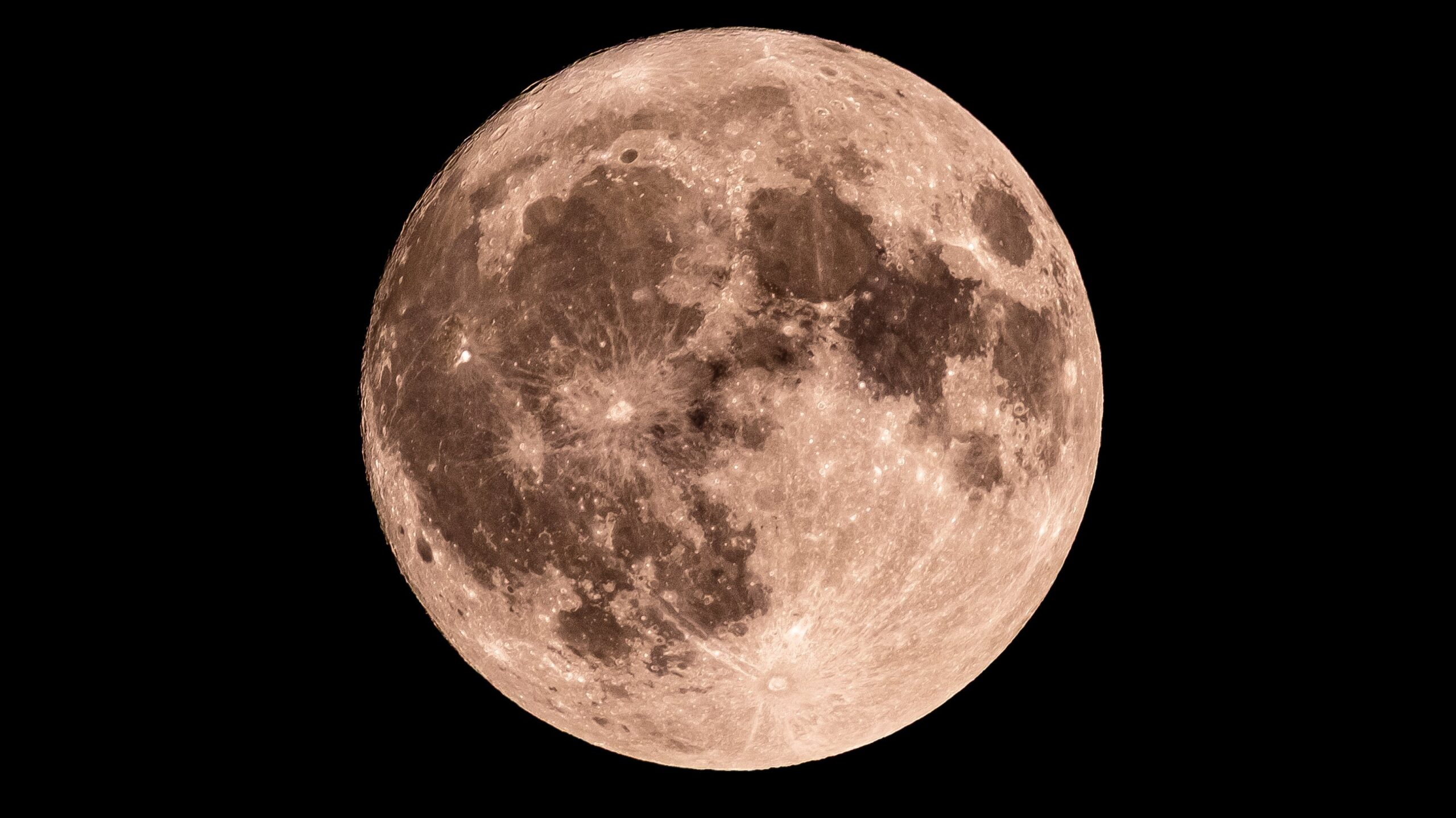
The Moon’s visibility changes throughout its lunar cycle, creating varying shapes in the night sky. As of March 7, the Moon is in its Waning Gibbous phase, with approximately 85% of its surface illuminated. This phase occurs after a Full Moon, as the Moon begins to lose light on the right side.
What to Expect on March 7
According to NASA’s Daily Moon Guide, tonight offers an excellent opportunity for lunar observation. Without any visual aids, stargazers can clearly see prominent features such as the Aristarchus Plateau, Kepler Crater, and Tycho Crater. For those equipped with binoculars, additional features including the Grimaldi Basin, Gassendi Crater, and the Apennine Mountains are also visible. A telescope will enhance the viewing experience, revealing notable areas such as the sites of the Apollo 11 mission and the Fra Mauro Highlands.
The next Full Moon is anticipated to occur on April 1, making this a prime time for lunar enthusiasts to track the changing phases of the Moon.
Understanding Lunar Phases
The lunar cycle spans approximately 29.5 days, during which the Moon transitions through eight distinct phases. These phases occur as the Moon orbits Earth, with sunlight illuminating different portions of its surface. Despite always presenting the same side towards Earth, the visible portion changes, leading to various appearances: from a New Moon, which is invisible, to a Full Moon, where the entire face is illuminated.
The eight phases of the Moon are:
- New Moon: The Moon is positioned between Earth and the Sun, leaving the visible side dark.
- Waxing Crescent: A small sliver of light appears on the right side in the Northern Hemisphere.
- First Quarter: Half of the Moon’s surface is lit on the right side, resembling a half-Moon.
- Waxing Gibbous: More than half is illuminated, but it is not yet full.
- Full Moon: The entire face of the Moon is visible and fully illuminated.
- Waning Gibbous: The illuminated portion decreases on the right side.
- Third Quarter: The left side of the Moon is lit, creating another half-Moon appearance.
- Waning Crescent: A thin sliver of light remains on the left side before the Moon returns to darkness.
These changing views not only captivate skywatchers but also hold significant cultural and scientific importance. Observing the Moon’s phases enhances our understanding of its relationship with Earth and the broader cosmos.







Belfast Gears Up for Vibrant St Patrick’s Day Parade on March 17

Cuba Faces Nationwide Blackout Amid Deepening Energy Crisis

Wirral Council to Restructure Leadership, Cutting Two Top Roles

Rethinking Resistance Training: Key Insights from US Experts

EU Membership on the Horizon: What It Means for Citizens

Ukrainian Drone Swarms Strike Moscow Region for Second Day

Henley Launches Innovative Initiative to Boost Local Economy

Court Ruling Allows Pandemic Tax Refund Claims Until 2026

Sean Penn’s Absence at 2026 Oscars Sparks Discussion

Coronation Street’s Shocking Murder Twist Reveals Family Secrets

Andrew Pierce Confirms Departure from ITV’s Good Morning Britain

Katie Price Faces New Health Concerns After Cancer Symptoms Resurface

Gyles Brandreth Shares Grandson’s Cancer Battle and Recovery

Sue Radford Reveals Weight Loss Journey, Shedding 12–13 kg

Kate Garraway Sells £2 Million Home Amid Financial Struggles

Jordan Brook Faces Health Crisis in Hospital as Sophie Kasaei Stays Away

EastEnders’ Nicola Mitchell Faces Unexpected Pregnancy Crisis

Mother Charged After Son, 9, Killed in Tragic Incident in Italy
-
 World7 months ago
Coronation Street’s Shocking Murder Twist Reveals Family Secrets
-
 Entertainment7 months ago
Andrew Pierce Confirms Departure from ITV’s Good Morning Britain
-
 Health11 months ago
Katie Price Faces New Health Concerns After Cancer Symptoms Resurface
-
 Health6 months ago
Gyles Brandreth Shares Grandson’s Cancer Battle and Recovery
-
 Health6 months ago
Sue Radford Reveals Weight Loss Journey, Shedding 12–13 kg
-
 Entertainment12 months ago
Kate Garraway Sells £2 Million Home Amid Financial Struggles
-
 Entertainment4 months ago
Jordan Brook Faces Health Crisis in Hospital as Sophie Kasaei Stays Away
-
 World9 months ago
EastEnders’ Nicola Mitchell Faces Unexpected Pregnancy Crisis
-
 World8 months ago
Mother Charged After Son, 9, Killed in Tragic Incident in Italy
-

 Entertainment11 months ago
Ann Ming Reflects on ITV’s ‘I Fought the Law’ Drama
-

 World8 months ago
Bailey Announces Heartbreaking Split from Rebecca After Reunion
-

 Entertainment5 months ago
Selena Gomez’s Name Linked to Epstein: Examining the Claims