
Top Stories
Bank of England May Cut Rates Up to Three Times Amid Easing Inflation

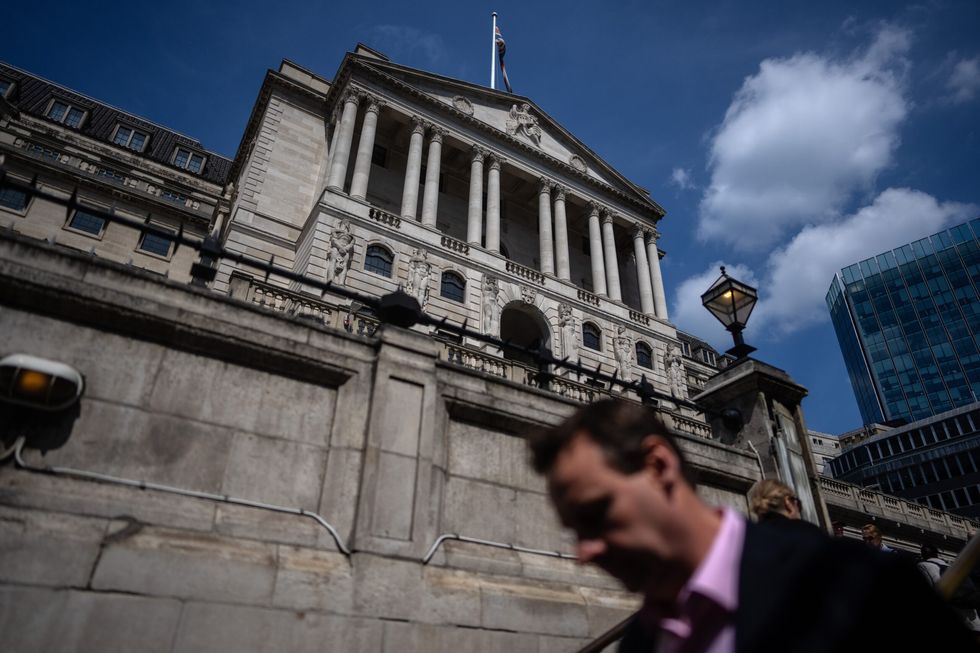
The Bank of England may implement up to three additional interest rate cuts as inflation trends towards its target of 2 percent, according to comments made by Alan Taylor, a member of the Monetary Policy Committee. His remarks indicate a potential shift towards a more accommodating monetary policy in response to evolving economic conditions, particularly as the labour market shows signs of weakening.
Taylor, who has consistently advocated for more significant rate reductions over the past 18 months, expressed his growing confidence that inflation is returning to normal levels. He noted that the risks are now leaning towards lower inflation rates alongside rising unemployment. In a recent statement, he mentioned that there could be “two or three rate cuts to go before the theoretical neutral level,” highlighting a proactive approach to managing economic challenges.
Current Economic Indicators and Future Projections
Recent data from the Office for National Statistics supports Taylor’s outlook. Inflation fell to 3 percent in January 2024, down from 3.4 percent in December, primarily due to decreases in prices for petrol, bread, and airfares. Despite this positive trend, Taylor cautioned that inflation could still undershoot the Bank’s target. He pointed out persistent inflation within the services sector, which remains a key focus for policymakers assessing underlying price pressures.
The labour market’s trajectory is also a concern, with Taylor describing it as “converging on a pessimistic outlook.” He warned that sluggish productivity growth could further challenge economic stability, suggesting that lower interest rates might be necessary to support overall economic activity. While he acknowledged recession risks that justify quicker rate cuts compared to other policymakers, he rejected the notion that unemployment would remain structurally high.
Implications of Global Trade Dynamics
Taylor’s comments come as the Bank prepares to respond to questions from the Treasury Committee regarding February’s monetary policy report. Policymakers are expected to address the implications of new US tariffs on the UK economy and the timeline for potential rate cuts. Taylor indicated that the UK should brace for a prolonged period of heightened global tariffs, suggesting that the United States is transitioning into a “high tariff regime.” He emphasized that the impact of these changes might unfold over several years, even if the official tariff rates appear stable.
The UK government continues discussions with US officials to safeguard trade agreements established in May 2023, particularly in critical sectors such as automobiles and pharmaceuticals. A spokesperson for No 10 confirmed that negotiations are ongoing, highlighting that officials are evaluating the potential effects of a new flat tariff rate on UK businesses. When questioned about possible responses, the spokesperson noted that “everything was on the table.”
As the Bank of England navigates the complex interplay of easing inflation, a softening labour market, and external trade pressures, its forthcoming decisions on interest rates will be crucial for the economic landscape in the coming months.










Belfast Gears Up for Vibrant St Patrick’s Day Parade on March 17

Cuba Faces Nationwide Blackout Amid Deepening Energy Crisis

Wirral Council to Restructure Leadership, Cutting Two Top Roles

Rethinking Resistance Training: Key Insights from US Experts

EU Membership on the Horizon: What It Means for Citizens

Ukrainian Drone Swarms Strike Moscow Region for Second Day

Henley Launches Innovative Initiative to Boost Local Economy

Court Ruling Allows Pandemic Tax Refund Claims Until 2026

Sean Penn’s Absence at 2026 Oscars Sparks Discussion

Coronation Street’s Shocking Murder Twist Reveals Family Secrets

Andrew Pierce Confirms Departure from ITV’s Good Morning Britain

Katie Price Faces New Health Concerns After Cancer Symptoms Resurface

Gyles Brandreth Shares Grandson’s Cancer Battle and Recovery

Sue Radford Reveals Weight Loss Journey, Shedding 12–13 kg

Kate Garraway Sells £2 Million Home Amid Financial Struggles

Jordan Brook Faces Health Crisis in Hospital as Sophie Kasaei Stays Away

EastEnders’ Nicola Mitchell Faces Unexpected Pregnancy Crisis

Mother Charged After Son, 9, Killed in Tragic Incident in Italy
-
 World7 months ago
Coronation Street’s Shocking Murder Twist Reveals Family Secrets
-
 Entertainment7 months ago
Andrew Pierce Confirms Departure from ITV’s Good Morning Britain
-
 Health10 months ago
Katie Price Faces New Health Concerns After Cancer Symptoms Resurface
-
 Health5 months ago
Gyles Brandreth Shares Grandson’s Cancer Battle and Recovery
-
 Health5 months ago
Sue Radford Reveals Weight Loss Journey, Shedding 12–13 kg
-
 Entertainment11 months ago
Kate Garraway Sells £2 Million Home Amid Financial Struggles
-
 Entertainment4 months ago
Jordan Brook Faces Health Crisis in Hospital as Sophie Kasaei Stays Away
-
 World8 months ago
EastEnders’ Nicola Mitchell Faces Unexpected Pregnancy Crisis
-
 World8 months ago
Mother Charged After Son, 9, Killed in Tragic Incident in Italy
-

 Entertainment10 months ago
Ann Ming Reflects on ITV’s ‘I Fought the Law’ Drama
-

 World8 months ago
Bailey Announces Heartbreaking Split from Rebecca After Reunion
-

 Entertainment5 months ago
Selena Gomez’s Name Linked to Epstein: Examining the Claims