
Politics
New York City Pension Fund Considers Israel Bonds Amid Controversy

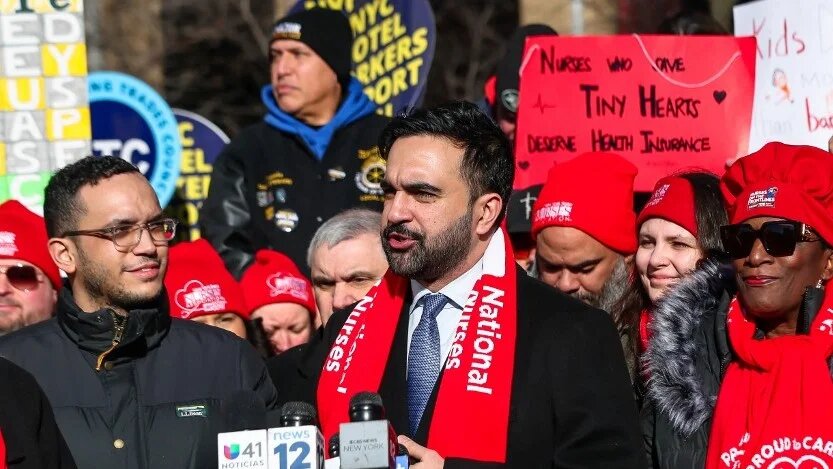
New York City’s pension funds are contemplating a return to investing in Israeli government bonds, a decision that would direct public funds into Israel’s treasury amid ongoing violence in Gaza. The Financial Times reported on March 15, 2024, that city officials are weighing this reinvestment, even as Mayor Mamdani has expressed support for divestment due to Israel’s actions.
Mark Levine, New York City’s chief financial officer, defended the potential move, stating, “The Israel bonds have performed very well and they continue to be investment grade rated.” He emphasized his obligation to make investment decisions based on performance metrics rather than political considerations.
Israeli government bonds essentially serve as direct loans to the Israeli state, ensuring consistent interest payments to investors while simultaneously funding the government’s operations. Critics argue that such financial support bolsters Israel’s contentious policies, including the expansion of settlements, the displacement of Palestinians, and civilian casualties in Gaza and the occupied West Bank.
This potential shift in investment strategy could escalate tensions within City Hall. One of Mamdani’s initial actions after taking office on January 1, 2024, was to rescind an executive order from former Mayor Eric Adams, which had prohibited city agencies from boycotting or divesting from Israel. A vocal critic of Israel’s treatment of Palestinians, Mamdani previously stated that New York should not maintain a fund that invests in violations of international law.
Despite his personal connections to Israel, Levine insists that pension fund decisions should remain politically neutral. He acknowledged his familial ties to Israel but reiterated that investment choices must focus primarily on financial outcomes. He stated, “I’ve also been open about the fact that I have very deep personal ties to Israel through family and friends and language, and more.”
Concerns about the financial viability of Israeli bonds have been raised by credit rating agencies, including Moody’s, which warned that these investments are becoming increasingly risky. Still, Levine has reignited discussions about purchasing such bonds, reigniting a debate over whether New York’s pension funds should finance a state accused of significant human rights violations.
This situation marks a notable departure from previous practices. Historically, New York routinely invested substantial sums into Israeli debt, despite ongoing criticism from human rights organizations. However, in 2023, the city allowed its holdings in Israeli bonds to mature without making new investments. At that time, Brad Lander, who served as chief financial officer, opted not to buy additional bonds, effectively ending a decades-long policy of preferential treatment for Israel.
When Lander assumed office in 2022, the pension funds held approximately $39 million in Israeli bonds, yielding returns of around five percent. His decision aligned with a broader strategy to avoid foreign sovereign debt, thereby treating Israel like any other nation rather than granting it political exceptions.
As discussions continue, the implications of investing in Israeli bonds remain contentious, reflecting a broader debate about the intersection of finance and international human rights.













Belfast Gears Up for Vibrant St Patrick’s Day Parade on March 17

Cuba Faces Nationwide Blackout Amid Deepening Energy Crisis

Wirral Council to Restructure Leadership, Cutting Two Top Roles

Rethinking Resistance Training: Key Insights from US Experts

EU Membership on the Horizon: What It Means for Citizens

Ukrainian Drone Swarms Strike Moscow Region for Second Day

Henley Launches Innovative Initiative to Boost Local Economy

Court Ruling Allows Pandemic Tax Refund Claims Until 2026

Sean Penn’s Absence at 2026 Oscars Sparks Discussion

Coronation Street’s Shocking Murder Twist Reveals Family Secrets

Andrew Pierce Confirms Departure from ITV’s Good Morning Britain

Katie Price Faces New Health Concerns After Cancer Symptoms Resurface

Gyles Brandreth Shares Grandson’s Cancer Battle and Recovery

Sue Radford Reveals Weight Loss Journey, Shedding 12–13 kg

Kate Garraway Sells £2 Million Home Amid Financial Struggles

Jordan Brook Faces Health Crisis in Hospital as Sophie Kasaei Stays Away

EastEnders’ Nicola Mitchell Faces Unexpected Pregnancy Crisis

Mother Charged After Son, 9, Killed in Tragic Incident in Italy
-
 World7 months ago
Coronation Street’s Shocking Murder Twist Reveals Family Secrets
-
 Entertainment7 months ago
Andrew Pierce Confirms Departure from ITV’s Good Morning Britain
-
 Health10 months ago
Katie Price Faces New Health Concerns After Cancer Symptoms Resurface
-
 Health5 months ago
Gyles Brandreth Shares Grandson’s Cancer Battle and Recovery
-
 Health6 months ago
Sue Radford Reveals Weight Loss Journey, Shedding 12–13 kg
-
 Entertainment12 months ago
Kate Garraway Sells £2 Million Home Amid Financial Struggles
-
 Entertainment4 months ago
Jordan Brook Faces Health Crisis in Hospital as Sophie Kasaei Stays Away
-
 World8 months ago
EastEnders’ Nicola Mitchell Faces Unexpected Pregnancy Crisis
-
 World8 months ago
Mother Charged After Son, 9, Killed in Tragic Incident in Italy
-

 Entertainment10 months ago
Ann Ming Reflects on ITV’s ‘I Fought the Law’ Drama
-

 World8 months ago
Bailey Announces Heartbreaking Split from Rebecca After Reunion
-

 Entertainment5 months ago
Selena Gomez’s Name Linked to Epstein: Examining the Claims