
Health
Dementia Expert Highlights Lifestyle Changes to Cut Risks by 45%

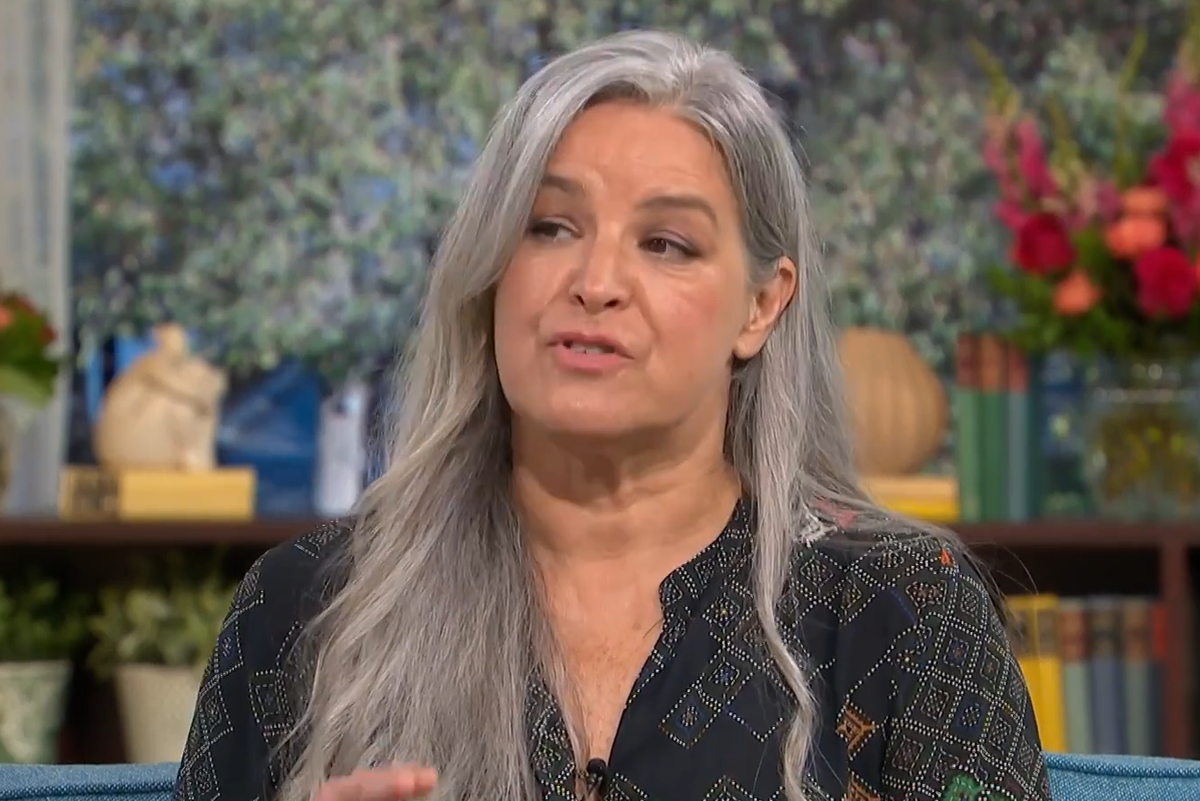
A leading dementia expert has revealed that nearly half of all dementia cases could be prevented through simple lifestyle adjustments. Speaking on ITV’s This Morning, Professor Catherine Mummery emphasized the importance of focusing on specific health factors to significantly reduce dementia risk. Current projections indicate that by 2026, over 1.1 million people in the UK will be living with dementia, driven largely by an ageing population.
Recent data highlights a concerning trend: one in three individuals born in the UK today is likely to develop dementia during their lifetime. While dementia is often associated with older age, more than 70,000 people currently live with young-onset dementia, characterized by symptoms appearing before age 65. The discrepancy in diagnosis is notable, as official NHS figures estimate around 500,000 to 600,000 diagnosed cases, with roughly one-third of those affected remaining undiagnosed.
Professor Mummery pointed out that monitoring blood pressure should be a primary focus for individuals looking to mitigate their risk. “Forty-five percent of dementia is preventable if you modify your risk factors,” she explained. “What I mean by that is especially when you’re talking about vascular dementia, a lot of the problems that lead to that are related to issues with your blood vessels. What’s good for your heart is good for your brain.”
She identified three key lifestyle changes that can make a significant difference. First, engaging in regular physical exercise at least three times a week is crucial. “Get out of breath,” she advised, indicating that this level of activity is beneficial. Second, mental exercise is equally important; activities that challenge the mind, whether they are brain games or enjoyable hobbies that stretch one’s capabilities, can help maintain cognitive function. Third, diet plays a vital role, particularly in relation to vascular dementia. A diet rich in vegetables and fresh foods while avoiding processed items and excess sugar is essential.
Dementia is now the leading cause of death in the UK, responsible for more than one in ten fatalities each year. The economic impact is staggering, with estimates suggesting a burden of £42–£45 billion annually, factoring in healthcare costs, social care expenses, and the contributions of over one million unpaid family caregivers.
The NHS and other health organizations state that up to 40% of dementia cases could be prevented or postponed by addressing modifiable risk factors. Effective management of cardiovascular health is fundamental, as the brain requires a robust blood supply to function optimally.
Key recommendations include:
– **Blood Pressure and Cholesterol Management**: High levels can damage brain blood vessels, increasing the risk of vascular dementia.
– **Diabetes Control**: Type 2 diabetes is a recognized risk factor; dietary changes and medication are essential for management.
– **Smoking Cessation**: Smoking constricts arteries and raises the risk of cardiovascular disease and stroke, both linked to dementia.
– **Balanced Nutrition**: The NHS advocates for a diet rich in fruits, vegetables, and fiber, while minimizing saturated fat, salt, and sugar.
– **Maintaining a Healthy Weight**: Excess weight during middle age is correlated with heightened dementia risk.
– **Physical Activity**: Aim for a minimum of 150 minutes of moderate-intensity exercise weekly, coupled with muscle-strengthening activities.
– **Mental Engagement**: Activities that challenge the brain, such as reading or learning new skills, can enhance cognitive resilience.
– **Alcohol Moderation**: Limiting alcohol intake to no more than 14 units per week is advisable for brain health.
– **Social Connections**: Engaging in social activities can help combat loneliness, which is associated with increased dementia risk.
– **Hearing Loss Treatment**: There is a strong link between untreated hearing loss and dementia; using hearing aids can help mitigate this risk.
– **Mental Wellbeing**: Managing stress and seeking support for depression are important for overall brain health.
– **Head Injury Prevention**: Taking precautions during sports or high-risk activities can reduce the likelihood of head injuries that may contribute to dementia.
The NHS recommends individuals aged 40–74 undergo an NHS Health Check to identify early signs of high blood pressure or related conditions that could lead to dementia. Taking proactive steps can significantly alter one’s trajectory concerning this debilitating condition.













Belfast Gears Up for Vibrant St Patrick’s Day Parade on March 17

Cuba Faces Nationwide Blackout Amid Deepening Energy Crisis

Wirral Council to Restructure Leadership, Cutting Two Top Roles

Rethinking Resistance Training: Key Insights from US Experts

EU Membership on the Horizon: What It Means for Citizens

Ukrainian Drone Swarms Strike Moscow Region for Second Day

Henley Launches Innovative Initiative to Boost Local Economy

Court Ruling Allows Pandemic Tax Refund Claims Until 2026

Sean Penn’s Absence at 2026 Oscars Sparks Discussion

Coronation Street’s Shocking Murder Twist Reveals Family Secrets

Andrew Pierce Confirms Departure from ITV’s Good Morning Britain

Katie Price Faces New Health Concerns After Cancer Symptoms Resurface

Gyles Brandreth Shares Grandson’s Cancer Battle and Recovery

Sue Radford Reveals Weight Loss Journey, Shedding 12–13 kg

Kate Garraway Sells £2 Million Home Amid Financial Struggles

Jordan Brook Faces Health Crisis in Hospital as Sophie Kasaei Stays Away

EastEnders’ Nicola Mitchell Faces Unexpected Pregnancy Crisis

Reddit Study Reveals Distinctions Between Lurkers and Power Users
-
 World8 months ago
Coronation Street’s Shocking Murder Twist Reveals Family Secrets
-
 Entertainment8 months ago
Andrew Pierce Confirms Departure from ITV’s Good Morning Britain
-
 Health11 months ago
Katie Price Faces New Health Concerns After Cancer Symptoms Resurface
-
 Health6 months ago
Gyles Brandreth Shares Grandson’s Cancer Battle and Recovery
-
 Health6 months ago
Sue Radford Reveals Weight Loss Journey, Shedding 12–13 kg
-
 Entertainment12 months ago
Kate Garraway Sells £2 Million Home Amid Financial Struggles
-
 Entertainment4 months ago
Jordan Brook Faces Health Crisis in Hospital as Sophie Kasaei Stays Away
-
 World9 months ago
EastEnders’ Nicola Mitchell Faces Unexpected Pregnancy Crisis
-
 Science8 months ago
Reddit Study Reveals Distinctions Between Lurkers and Power Users
-

 World8 months ago
Mother Charged After Son, 9, Killed in Tragic Incident in Italy
-

 Entertainment11 months ago
Ann Ming Reflects on ITV’s ‘I Fought the Law’ Drama
-

 World8 months ago
Bailey Announces Heartbreaking Split from Rebecca After Reunion