
Politics
Trump’s Military Threats Could Undermine Iran’s Freedom Movement

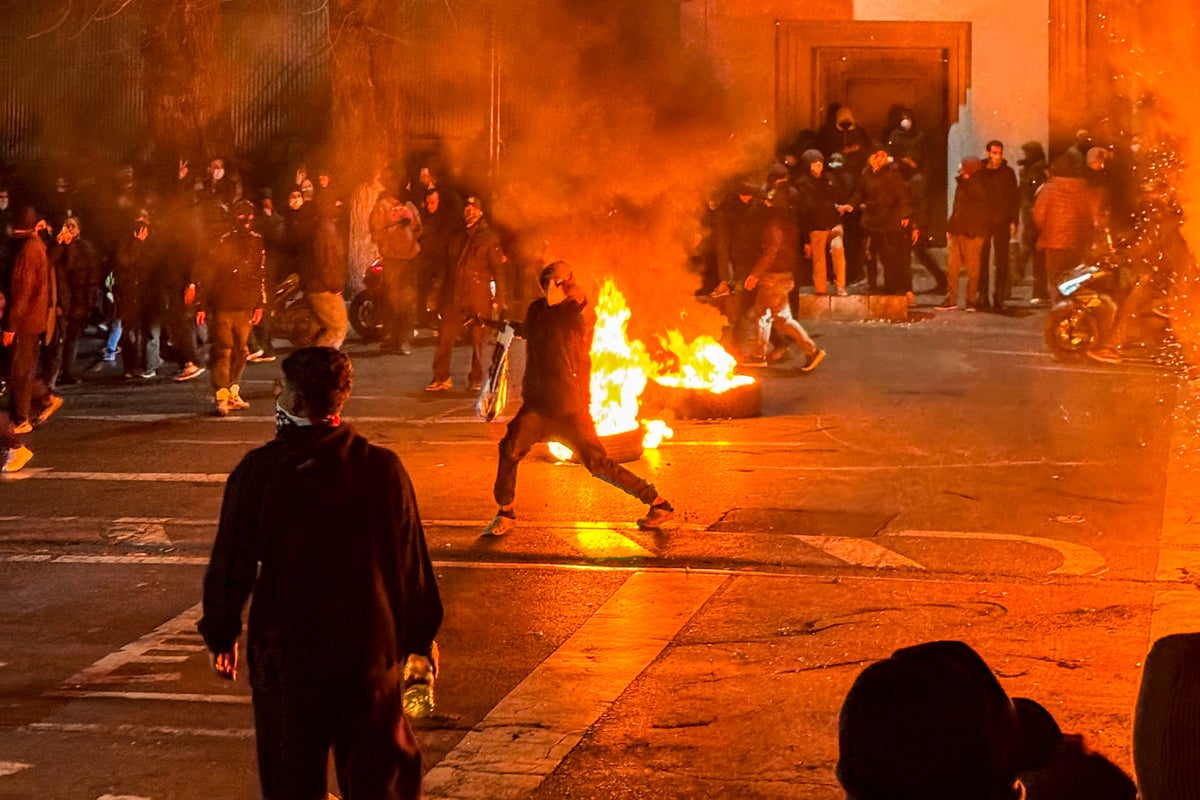
The potential for military intervention by Donald Trump poses a serious risk to the ongoing protests in Iran, where citizens are striving for freedom and reform. Recent protests have gained momentum, with demonstrators expressing their dissatisfaction across various regions and social classes, indicating a significant shift in the public’s willingness to challenge the ruling regime. The situation has evolved dramatically over the past year, raising concerns about the implications of external military actions on the internal struggle for change.
Growing Protests Amidst Government Crackdown
In recent weeks, the protests have expanded, involving a diverse cross-section of Iranian society. Reports suggest that as many as thousands have taken to the streets, demanding an end to the oppressive policies of the Islamic Republic. The regime’s response has been brutal; security forces are using live ammunition against civilians, cutting off internet access, and imposing curfews in a bid to stifle dissent.
The Iranian leadership, particularly Ayatollah Ali Khamenei, has shown no signs of yielding power voluntarily. The historical context is significant; since the 1979 Islamic Revolution, the leadership has employed violent tactics to maintain control. The current protests, however, mark a pivotal moment as frustrations reach a boiling point amid economic hardship and social injustice.
The Risks of U.S. Military Intervention
While military action by the United States could theoretically support the Iranian protesters, it may also backfire. Trump’s administration has openly threatened military action, claiming that American forces are “locked and loaded” to respond aggressively if protesters face severe repression. This rhetoric raises the stakes for both the U.S. and Iran, potentially alienating the very people it aims to support.
“Intervention would hand the ayatollahs the ‘proof’ they crave that the counterrevolution is merely an agent of the ‘Great Satan’,” an expert noted.
The recent military strikes by the U.S. in the region have set a concerning precedent. In June 2023, the U.S. targeted Iran’s nuclear facilities, deploying a significant amount of firepower, including 14 “bunker-buster” bombs. This operation demonstrated the capability and willingness of the U.S. to act unilaterally, a departure from previous strategies that relied on regional allies.
Despite the intentions behind such actions, the consequences could be dire. Past military interventions in countries like Libya and Iraq have led to destabilization rather than liberation, often resulting in a power vacuum that fuels further conflict. As the situation in Iran develops, Washington’s role needs careful consideration, with an emphasis on diplomacy rather than aggression.
The Role of European Powers
European nations, particularly the E3—Britain, France, and Germany—are positioned to play a crucial role in shaping the international response. Their diplomatic efforts could provide a counterbalance to U.S. military threats, fostering dialogue and encouraging the Iranian government to respect human rights. Stronger statements from these countries could help assure the Iranian people that their quest for freedom is recognized and supported globally.
As the protests continue, the Iranian people remain at the forefront of this struggle. Videos and testimonies emerging from Iran depict a populace increasingly emboldened to challenge the regime. While external support is essential, the primary responsibility for enacting change rests with the citizens of Iran. They are the ones risking their lives for a future free from oppression.
Ultimately, the international community must prioritize strategies that empower the Iranian people, allowing them to dictate their own future without the shadow of foreign military intervention. A nuanced approach that prioritizes diplomatic engagement over military threats could foster an environment conducive to meaningful change within Iran.









Belfast Gears Up for Vibrant St Patrick’s Day Parade on March 17

Cuba Faces Nationwide Blackout Amid Deepening Energy Crisis

Wirral Council to Restructure Leadership, Cutting Two Top Roles

Rethinking Resistance Training: Key Insights from US Experts

EU Membership on the Horizon: What It Means for Citizens

Ukrainian Drone Swarms Strike Moscow Region for Second Day

Henley Launches Innovative Initiative to Boost Local Economy

Court Ruling Allows Pandemic Tax Refund Claims Until 2026

Sean Penn’s Absence at 2026 Oscars Sparks Discussion

Coronation Street’s Shocking Murder Twist Reveals Family Secrets

Andrew Pierce Confirms Departure from ITV’s Good Morning Britain

Katie Price Faces New Health Concerns After Cancer Symptoms Resurface

Gyles Brandreth Shares Grandson’s Cancer Battle and Recovery

Sue Radford Reveals Weight Loss Journey, Shedding 12–13 kg

Kate Garraway Sells £2 Million Home Amid Financial Struggles

Jordan Brook Faces Health Crisis in Hospital as Sophie Kasaei Stays Away

EastEnders’ Nicola Mitchell Faces Unexpected Pregnancy Crisis

Mother Charged After Son, 9, Killed in Tragic Incident in Italy
-
 World7 months ago
Coronation Street’s Shocking Murder Twist Reveals Family Secrets
-
 Entertainment7 months ago
Andrew Pierce Confirms Departure from ITV’s Good Morning Britain
-
 Health11 months ago
Katie Price Faces New Health Concerns After Cancer Symptoms Resurface
-
 Health5 months ago
Gyles Brandreth Shares Grandson’s Cancer Battle and Recovery
-
 Health6 months ago
Sue Radford Reveals Weight Loss Journey, Shedding 12–13 kg
-
 Entertainment12 months ago
Kate Garraway Sells £2 Million Home Amid Financial Struggles
-
 Entertainment4 months ago
Jordan Brook Faces Health Crisis in Hospital as Sophie Kasaei Stays Away
-
 World8 months ago
EastEnders’ Nicola Mitchell Faces Unexpected Pregnancy Crisis
-
 World8 months ago
Mother Charged After Son, 9, Killed in Tragic Incident in Italy
-

 Entertainment11 months ago
Ann Ming Reflects on ITV’s ‘I Fought the Law’ Drama
-

 World8 months ago
Bailey Announces Heartbreaking Split from Rebecca After Reunion
-

 Entertainment5 months ago
Selena Gomez’s Name Linked to Epstein: Examining the Claims