
Politics
Government Denounces Alaa Abd El-Fattah’s Social Media Posts

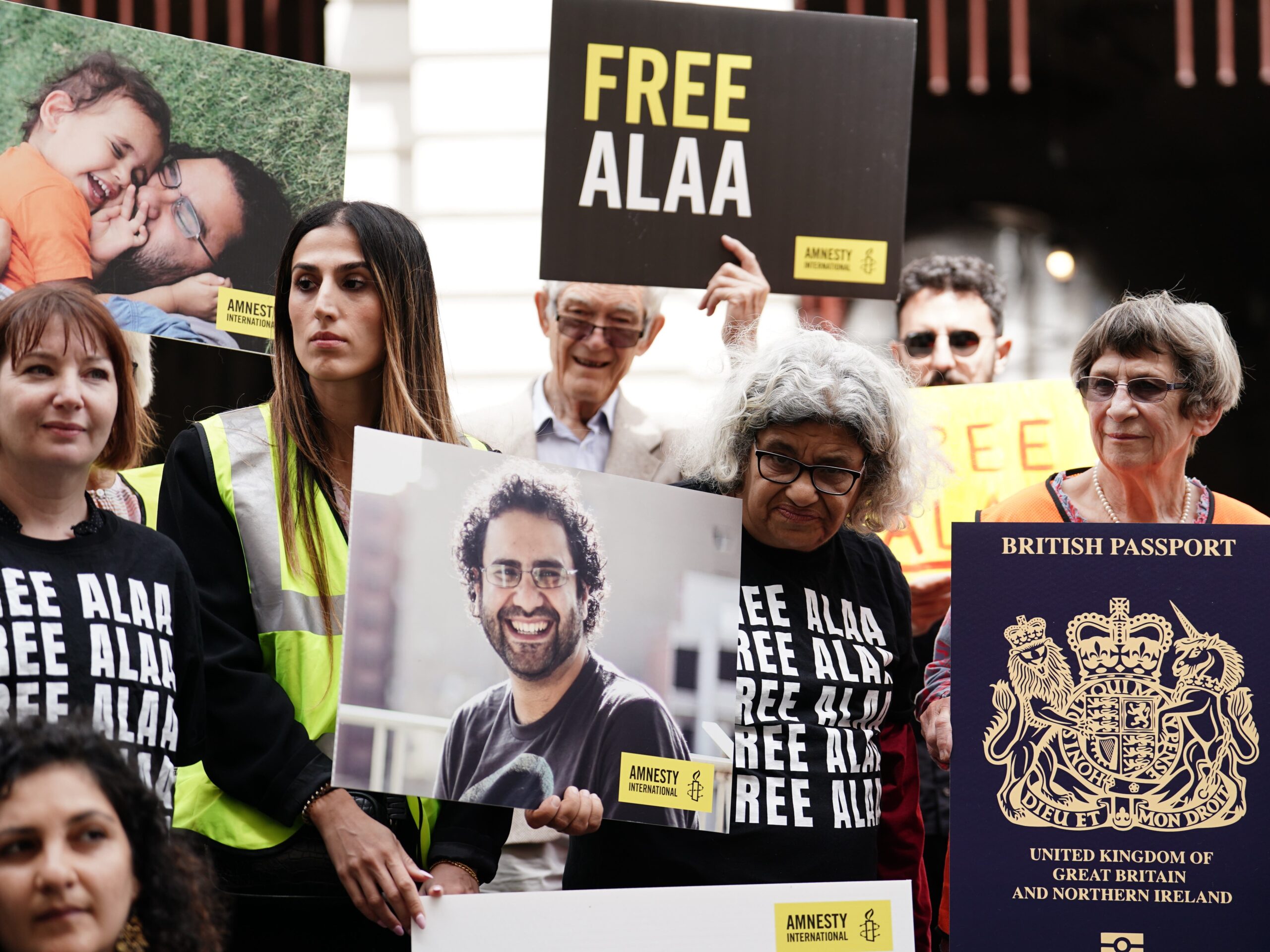
The Egyptian Government has publicly condemned past social media posts by democracy activist Alaa Abd El-Fattah, labeling them as “abhorrent.” This statement follows a significant backlash against Abd El-Fattah since his return from detention, raising concerns about freedom of expression and political dissent in Egypt.
Abd El-Fattah, a well-known figure in Egypt’s pro-democracy movement, has faced scrutiny for his online comments made prior to his release. The government’s reaction highlights ongoing tensions surrounding activism and free speech in the country, particularly regarding figures who criticize state policies.
Government’s Statement and Context
In a formal announcement, government officials expressed disapproval of Abd El-Fattah’s posts, describing them as harmful to national unity. This response underscores a broader strategy by the Egyptian authorities to maintain control over public discourse and suppress dissenting voices. The backlash reflects a polarized political environment, where activists often face significant risks, including detention and public vilification.
Alaa Abd El-Fattah was released from prison earlier this month after spending a substantial period behind bars for his activism. His return to society has reignited discussions about the limits of free speech in Egypt and the government’s approach to managing dissent. Critics argue that the government’s condemnation serves as a warning to other activists considering public commentary on sensitive issues.
Impact on Activism and Human Rights
The condemnation of Abd El-Fattah’s statements raises important questions about the future of activism in Egypt. Many human rights organizations have voiced concern regarding the treatment of activists and the legal framework governing freedom of expression. According to Human Rights Watch, the environment for political dissent in Egypt has become increasingly hostile, with numerous activists facing severe repercussions for their views.
As Abd El-Fattah continues to engage with the public, the implications of the government’s condemnation will likely be closely monitored by both supporters and opponents of the regime. The situation serves as a critical reminder of the ongoing struggles for democratic rights in the region.
The dialogue surrounding this issue reflects not only the challenges faced by individuals like Abd El-Fattah but also the broader implications for civil society in Egypt. As activists push for change, the government’s response will play a pivotal role in shaping the future landscape of political discourse and human rights in the nation.












Belfast Gears Up for Vibrant St Patrick’s Day Parade on March 17

Cuba Faces Nationwide Blackout Amid Deepening Energy Crisis

Wirral Council to Restructure Leadership, Cutting Two Top Roles

Rethinking Resistance Training: Key Insights from US Experts

EU Membership on the Horizon: What It Means for Citizens

Ukrainian Drone Swarms Strike Moscow Region for Second Day

Henley Launches Innovative Initiative to Boost Local Economy

Court Ruling Allows Pandemic Tax Refund Claims Until 2026

Sean Penn’s Absence at 2026 Oscars Sparks Discussion

Coronation Street’s Shocking Murder Twist Reveals Family Secrets

Andrew Pierce Confirms Departure from ITV’s Good Morning Britain

Katie Price Faces New Health Concerns After Cancer Symptoms Resurface

Gyles Brandreth Shares Grandson’s Cancer Battle and Recovery

Sue Radford Reveals Weight Loss Journey, Shedding 12–13 kg

Kate Garraway Sells £2 Million Home Amid Financial Struggles

Jordan Brook Faces Health Crisis in Hospital as Sophie Kasaei Stays Away

EastEnders’ Nicola Mitchell Faces Unexpected Pregnancy Crisis

Mother Charged After Son, 9, Killed in Tragic Incident in Italy
-
 World6 months ago
Coronation Street’s Shocking Murder Twist Reveals Family Secrets
-
 Entertainment6 months ago
Andrew Pierce Confirms Departure from ITV’s Good Morning Britain
-
 Health9 months ago
Katie Price Faces New Health Concerns After Cancer Symptoms Resurface
-
 Health4 months ago
Gyles Brandreth Shares Grandson’s Cancer Battle and Recovery
-
 Health4 months ago
Sue Radford Reveals Weight Loss Journey, Shedding 12–13 kg
-
 Entertainment10 months ago
Kate Garraway Sells £2 Million Home Amid Financial Struggles
-
 Entertainment3 months ago
Jordan Brook Faces Health Crisis in Hospital as Sophie Kasaei Stays Away
-
 World7 months ago
EastEnders’ Nicola Mitchell Faces Unexpected Pregnancy Crisis
-
 World7 months ago
Mother Charged After Son, 9, Killed in Tragic Incident in Italy
-

 Entertainment9 months ago
Ann Ming Reflects on ITV’s ‘I Fought the Law’ Drama
-

 World7 months ago
Bailey Announces Heartbreaking Split from Rebecca After Reunion
-

 Entertainment4 months ago
Selena Gomez’s Name Linked to Epstein: Examining the Claims