
Health
Research Links Dog Kisses to Improved Gut Health

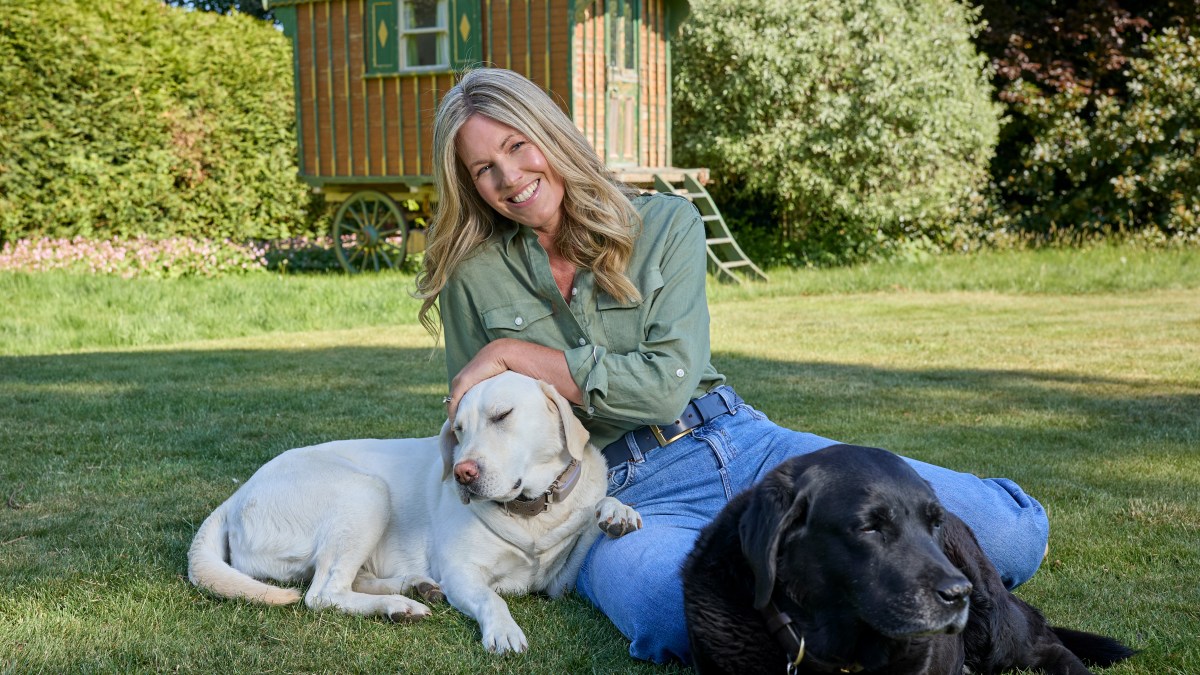
Recent research from the University of Arizona indicates that allowing dogs to lick their owners may positively influence gut health. The study suggests that exposure to canine bacteria can enhance the diversity of the gut microbiome, which plays a crucial role in overall health.
Pet ownership has long been associated with various health benefits, but this research adds a new dimension to the conversation. While petting and cuddling dogs are common practices among owners, the act of kissing or allowing dogs to lick their owners is often viewed with hesitation due to hygiene concerns. However, the findings challenge this perspective.
Understanding the Benefits of Canine Interaction
The gut microbiome consists of trillions of microorganisms that aid in digestion and influence immune function. Research shows that a diverse microbiome can lead to better health outcomes, including reduced risk of diseases such as obesity and diabetes. According to the study’s lead author, Dr. Julie M. McCafferty, “The introduction of beneficial bacteria from dogs can be a key factor in enhancing the gut microbiota of their owners.”
The study analyzed samples from both dog and human saliva, focusing on the transmission of specific bacterial strains. Findings revealed that the bacteria found in dog saliva can contribute to a more robust gut microbiome in humans. This may explain why dog owners often report feeling healthier and happier.
Implications for Pet Owners
The implications of this research are significant for pet owners and healthcare professionals alike. It suggests that allowing pets to interact closely with their owners might not only foster emotional bonds but also provide tangible health benefits. As well as enhancing gut health, the companionship of dogs has been linked to lower levels of stress and anxiety.
While the study presents compelling evidence, experts advise caution regarding hygiene practices. Regular veterinary check-ups and maintaining a clean environment for pets remain essential. The benefits highlighted by the research do not negate the importance of hygiene, particularly in households with young children or immunocompromised individuals.
As pet ownership continues to rise globally, understanding the health implications of such relationships becomes increasingly important. The findings from this study encourage dog owners to embrace their furry companions, suggesting that the benefits extend beyond emotional support to include physical health improvements.
In summary, the University of Arizona’s research presents a novel perspective on the interaction between humans and their dogs. The potential health advantages of allowing canine companionship to influence gut health open new avenues for exploring the impact of pets on human well-being.



Belfast Gears Up for Vibrant St Patrick’s Day Parade on March 17

Cuba Faces Nationwide Blackout Amid Deepening Energy Crisis

Wirral Council to Restructure Leadership, Cutting Two Top Roles

Rethinking Resistance Training: Key Insights from US Experts

EU Membership on the Horizon: What It Means for Citizens

Ukrainian Drone Swarms Strike Moscow Region for Second Day

Henley Launches Innovative Initiative to Boost Local Economy

Court Ruling Allows Pandemic Tax Refund Claims Until 2026

Sean Penn’s Absence at 2026 Oscars Sparks Discussion

Coronation Street’s Shocking Murder Twist Reveals Family Secrets

Andrew Pierce Confirms Departure from ITV’s Good Morning Britain

Katie Price Faces New Health Concerns After Cancer Symptoms Resurface

Gyles Brandreth Shares Grandson’s Cancer Battle and Recovery

Sue Radford Reveals Weight Loss Journey, Shedding 12–13 kg

Kate Garraway Sells £2 Million Home Amid Financial Struggles

Jordan Brook Faces Health Crisis in Hospital as Sophie Kasaei Stays Away

EastEnders’ Nicola Mitchell Faces Unexpected Pregnancy Crisis

Reddit Study Reveals Distinctions Between Lurkers and Power Users
-
 World8 months ago
Coronation Street’s Shocking Murder Twist Reveals Family Secrets
-
 Entertainment8 months ago
Andrew Pierce Confirms Departure from ITV’s Good Morning Britain
-
 Health11 months ago
Katie Price Faces New Health Concerns After Cancer Symptoms Resurface
-
 Health6 months ago
Gyles Brandreth Shares Grandson’s Cancer Battle and Recovery
-
 Health6 months ago
Sue Radford Reveals Weight Loss Journey, Shedding 12–13 kg
-
 Entertainment12 months ago
Kate Garraway Sells £2 Million Home Amid Financial Struggles
-
 Entertainment5 months ago
Jordan Brook Faces Health Crisis in Hospital as Sophie Kasaei Stays Away
-
 World9 months ago
EastEnders’ Nicola Mitchell Faces Unexpected Pregnancy Crisis
-
 Science8 months ago
Reddit Study Reveals Distinctions Between Lurkers and Power Users
-

 World9 months ago
Mother Charged After Son, 9, Killed in Tragic Incident in Italy
-

 Entertainment11 months ago
Ann Ming Reflects on ITV’s ‘I Fought the Law’ Drama
-

 World9 months ago
Bailey Announces Heartbreaking Split from Rebecca After Reunion