
Business
Tesco Shares Surge 20% in 2025, Transforming £15,000 Investment


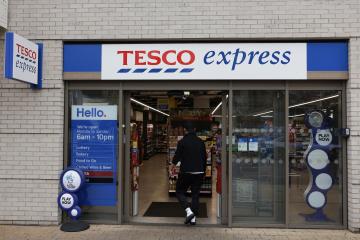
Investors who placed £15,000 in Tesco (LSE: TSCO) shares at the beginning of 2025 have seen their investment grow significantly, with the stock rising over 20% since January. This surge has lifted the value of their shares to approximately £18,585, showcasing a remarkable turnaround compared to the supermarket’s long-term performance. This growth continues a trend of market momentum that began in late 2022, marking a period in which Tesco shares have more than doubled in value over the last three years.
Market Dynamics and Tesco’s Performance
As the cost of living increases, many British households are prioritizing budget-friendly shopping. This shift has propelled discount retailers like Aldi and Lidl to greater heights, but Tesco has managed to maintain its footing as a market leader. According to market share data from October 2022 and November 2025, Tesco’s share rose from 26.6% to 28.2%, reflecting a 1.6% increase. In comparison, competitors such as Sainsbury’s and Asda saw only modest improvements or declines during the same period.
The figures highlight Tesco’s ability to adapt to changing consumer behaviors. Following a recent update to its financial guidance, Tesco’s management anticipates underlying operating profits could reach up to £3.1 billion for the fiscal year ending February 2026. This figure represents a remarkable 24.6% increase over three years, reinforcing Tesco’s status as a formidable player in the retail sector.
Future Outlook and Expert Opinions
Despite the promising numbers, the sustainability of Tesco’s strong performance remains a topic of discussion. Analysts attribute much of Tesco’s success to its Clubcard loyalty program, which has effectively attracted more shoppers through exclusive discounts and price matching strategies. Currently, 12 out of 15 institutional analysts rate the stock as a Buy or Outperform, suggesting a positive outlook for shareholders.
Nonetheless, experts caution about potential risks. The competitive landscape is shifting, and if economic conditions worsen, Tesco may need to engage in more aggressive pricing strategies to fend off discount competitors. This could put additional strain on the supermarket’s already narrow profit margins, particularly given rising transport, wage, and energy costs.
While Tesco’s recent performance has been impressive, the potential for macroeconomic challenges suggests that future growth may not be as rapid. Investors seeking stability in their portfolios may still find value in Tesco, but those looking to maximize returns might consider exploring other investment opportunities.
The ongoing evolution of Tesco’s market position illustrates the complexities of the retail landscape in the United Kingdom. As the company navigates these challenges, its ability to adapt and innovate will be crucial in determining its future success.












Belfast Gears Up for Vibrant St Patrick’s Day Parade on March 17

Cuba Faces Nationwide Blackout Amid Deepening Energy Crisis

Wirral Council to Restructure Leadership, Cutting Two Top Roles

Rethinking Resistance Training: Key Insights from US Experts

EU Membership on the Horizon: What It Means for Citizens

Ukrainian Drone Swarms Strike Moscow Region for Second Day

Henley Launches Innovative Initiative to Boost Local Economy

Court Ruling Allows Pandemic Tax Refund Claims Until 2026

Sean Penn’s Absence at 2026 Oscars Sparks Discussion

Coronation Street’s Shocking Murder Twist Reveals Family Secrets

Andrew Pierce Confirms Departure from ITV’s Good Morning Britain

Katie Price Faces New Health Concerns After Cancer Symptoms Resurface

Gyles Brandreth Shares Grandson’s Cancer Battle and Recovery

Sue Radford Reveals Weight Loss Journey, Shedding 12–13 kg

Kate Garraway Sells £2 Million Home Amid Financial Struggles

Jordan Brook Faces Health Crisis in Hospital as Sophie Kasaei Stays Away

EastEnders’ Nicola Mitchell Faces Unexpected Pregnancy Crisis

Reddit Study Reveals Distinctions Between Lurkers and Power Users
-
 World8 months ago
Coronation Street’s Shocking Murder Twist Reveals Family Secrets
-
 Entertainment8 months ago
Andrew Pierce Confirms Departure from ITV’s Good Morning Britain
-
 Health11 months ago
Katie Price Faces New Health Concerns After Cancer Symptoms Resurface
-
 Health6 months ago
Gyles Brandreth Shares Grandson’s Cancer Battle and Recovery
-
 Health6 months ago
Sue Radford Reveals Weight Loss Journey, Shedding 12–13 kg
-
 Entertainment12 months ago
Kate Garraway Sells £2 Million Home Amid Financial Struggles
-
 Entertainment5 months ago
Jordan Brook Faces Health Crisis in Hospital as Sophie Kasaei Stays Away
-
 World9 months ago
EastEnders’ Nicola Mitchell Faces Unexpected Pregnancy Crisis
-
 Science8 months ago
Reddit Study Reveals Distinctions Between Lurkers and Power Users
-

 World9 months ago
Mother Charged After Son, 9, Killed in Tragic Incident in Italy
-

 Entertainment11 months ago
Ann Ming Reflects on ITV’s ‘I Fought the Law’ Drama
-

 World9 months ago
Bailey Announces Heartbreaking Split from Rebecca After Reunion