
Politics
Businesses Struggle to Navigate Trump’s Complex Tariff System

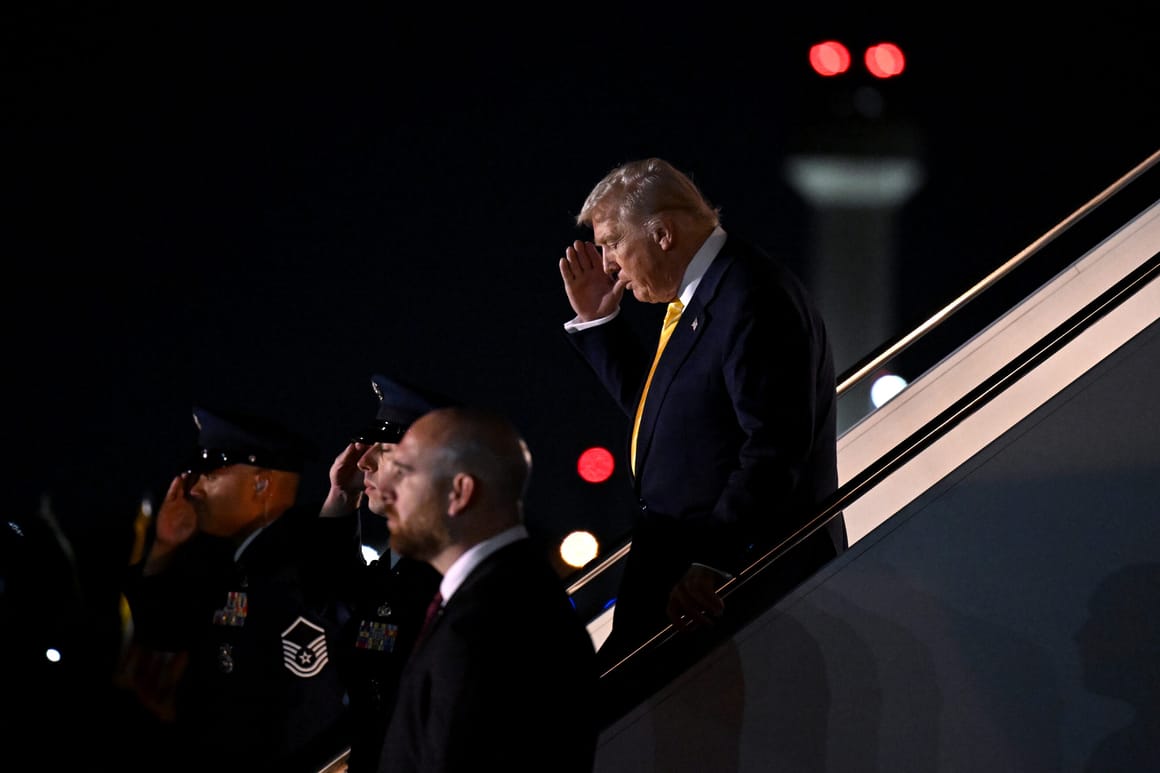
U.S. businesses are grappling with the intricate tariff system introduced by President Donald Trump, which has proven to be a significant drain on executive time and company resources. The new tariffs, characterized by their complexity, are nullifying some of the benefits that companies gained from recent corporate tax cuts.
Over the past year, the Trump administration has overhauled the U.S. tariff code, replacing a straightforward system with a multifaceted structure that imposes varying rates based on the origin of imported goods. For instance, an industrial product that previously incurred a uniform 5 percent tariff may now face rates of 15 percent from the European Union or Japan, 20 percent from Norway and many African nations, and as high as 50 percent for imports from countries like India, Brazil, and China.
The ramifications of these changes are significant, as noted by Gary Shapiro, CEO of the Consumer Technology Association. He stated, “This has been an exhausting year for most CEOs in the country. The level of executive time that’s been put in has been enormous.” As a result, many executives are diverting focus from innovation to compliance with tariff regulations.
The U.S. Department of Justice has intensified the pressure by prioritizing the prosecution of customs fraud, prompting companies to invest heavily in compliance. Many businesses are incurring costs that could total tens of millions of dollars to avoid running afoul of the new regulations. This burden is compounded by the higher tariffs that companies are now paying, which collectively amount to tens of billions of dollars monthly.
A recent survey by KPMG revealed that 89 percent of CEOs anticipate tariffs will significantly impact their business operations over the next three years. Furthermore, 86 percent of respondents indicated they would respond by increasing prices for goods and services.
Maytee Pereira, managing director for customs and international trade at PriceWaterhouseCoopers, reported that many clients are dedicating 30 to 60 percent of their time to tariff-related discussions. This shift has led to increased involvement from CEOs in import-sourcing decisions and has heightened competition for professionals with customs expertise.
The uncertainty surrounding tariff policies is inhibiting companies from committing resources to research and development, as well as expansion efforts. An anonymous industry official highlighted that many businesses are unable to invest in new factories or innovations due to the lack of clarity. “They don’t have the certainty they need to make decisions,” the official remarked.
The White House defended the tariffs as essential for enhancing domestic manufacturing and promoting economic growth. Treasury Secretary Scott Bessent stated, “I think 2026 is going to be a blockbuster year,” indicating that the administration expects long-term benefits from its trade policies.
Despite these assurances, the complexities of the tariff system continue to pose challenges. An industry official noted, “It is incredibly complex, and it keeps changing.” The nonpartisan Milken Institute has begun examining the implications of these regulations, highlighting the difficulties companies face in making informed decisions due to the unpredictability of tariff policies.
Trump’s tariffs, implemented under a 1977 emergency powers act, have varied widely, with baseline rates beginning at 10 percent for approximately 100 trading partners. Higher rates of 15 to 41 percent apply to nearly 100 others, including the European Union. Additionally, companies face severe penalties if imports from high-tariff countries are found to have been rerouted through third nations to evade tariffs.
The situation is particularly strenuous for small businesses, which are often overwhelmed by the myriad of tariff rules. Cassie Abel, CEO of Wild Rye, expressed frustration during a press conference, stating, “We are no longer investing into product innovation; we’re just spending our money trying to stay afloat through this.”
In response to the uncertainties induced by the tariff system, small business owners have united to challenge Trump’s use of the emergency powers act within the U.S. Supreme Court. One case filed by Crutchfield Corp., a family-owned electronics retailer, emphasized the chaos caused by the administration’s fluctuating tariff policies, arguing that such unpredictability hinders their ability to plan effectively.
As businesses continue to navigate this evolving landscape, the broader economic implications remain to be seen. The complexities of the tariff system not only strain resources but also threaten long-term growth and innovation across various sectors.








Belfast Gears Up for Vibrant St Patrick’s Day Parade on March 17

Cuba Faces Nationwide Blackout Amid Deepening Energy Crisis

Wirral Council to Restructure Leadership, Cutting Two Top Roles

Rethinking Resistance Training: Key Insights from US Experts

EU Membership on the Horizon: What It Means for Citizens

Ukrainian Drone Swarms Strike Moscow Region for Second Day

Henley Launches Innovative Initiative to Boost Local Economy

Court Ruling Allows Pandemic Tax Refund Claims Until 2026

Sean Penn’s Absence at 2026 Oscars Sparks Discussion

Coronation Street’s Shocking Murder Twist Reveals Family Secrets

Andrew Pierce Confirms Departure from ITV’s Good Morning Britain

Katie Price Faces New Health Concerns After Cancer Symptoms Resurface

Gyles Brandreth Shares Grandson’s Cancer Battle and Recovery

Sue Radford Reveals Weight Loss Journey, Shedding 12–13 kg

Kate Garraway Sells £2 Million Home Amid Financial Struggles

Jordan Brook Faces Health Crisis in Hospital as Sophie Kasaei Stays Away

EastEnders’ Nicola Mitchell Faces Unexpected Pregnancy Crisis

Reddit Study Reveals Distinctions Between Lurkers and Power Users
-
 World8 months ago
Coronation Street’s Shocking Murder Twist Reveals Family Secrets
-
 Entertainment8 months ago
Andrew Pierce Confirms Departure from ITV’s Good Morning Britain
-
 Health11 months ago
Katie Price Faces New Health Concerns After Cancer Symptoms Resurface
-
 Health6 months ago
Gyles Brandreth Shares Grandson’s Cancer Battle and Recovery
-
 Health6 months ago
Sue Radford Reveals Weight Loss Journey, Shedding 12–13 kg
-
 Entertainment12 months ago
Kate Garraway Sells £2 Million Home Amid Financial Struggles
-
 Entertainment5 months ago
Jordan Brook Faces Health Crisis in Hospital as Sophie Kasaei Stays Away
-
 World9 months ago
EastEnders’ Nicola Mitchell Faces Unexpected Pregnancy Crisis
-
 Science8 months ago
Reddit Study Reveals Distinctions Between Lurkers and Power Users
-

 World9 months ago
Mother Charged After Son, 9, Killed in Tragic Incident in Italy
-

 Entertainment11 months ago
Ann Ming Reflects on ITV’s ‘I Fought the Law’ Drama
-

 World9 months ago
Bailey Announces Heartbreaking Split from Rebecca After Reunion