
World
New Weight Guidelines Impact Offshore Workers in North Sea

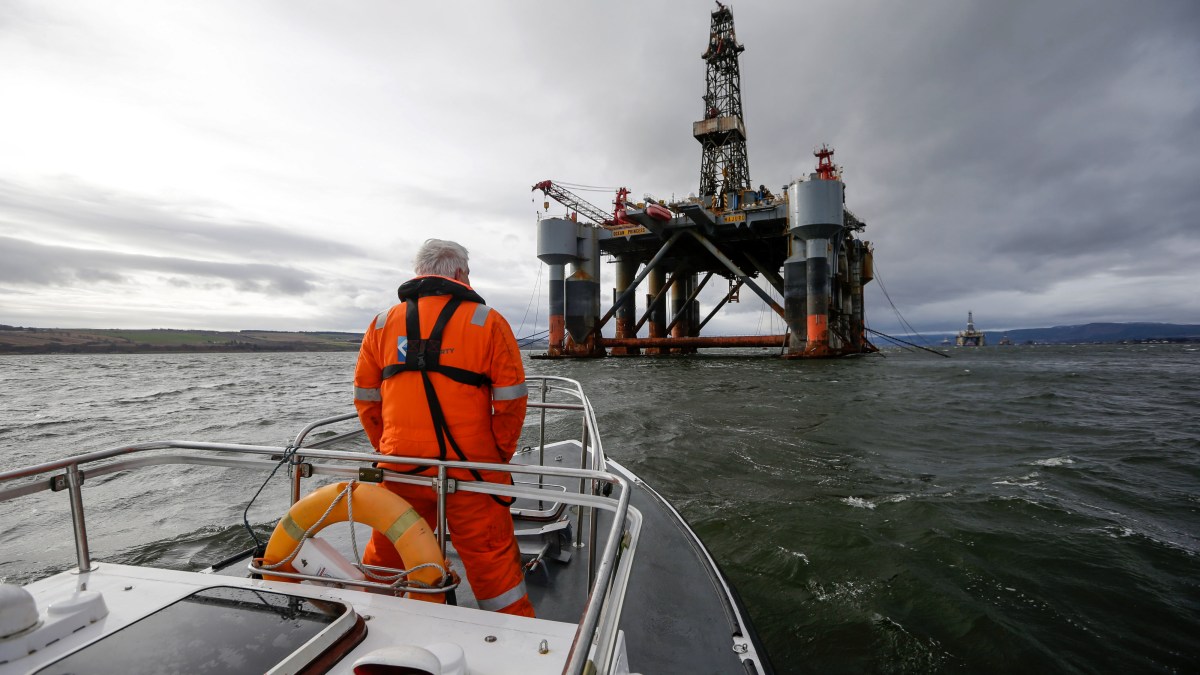
New guidelines for offshore workers in the North Sea mandate that individuals weighing more than 19.5 stone (approximately 123 kilograms) will be prohibited from working on offshore installations starting in November 2024. This new regulation aims to enhance safety and operational efficiency in an industry that often operates under challenging conditions.
The announcement follows a comprehensive review by the UK Health and Safety Executive, which highlighted the risks associated with overweight personnel in offshore environments. The decision has sparked considerable debate within the industry, raising questions about employee health, job security, and the feasibility of such weight requirements.
According to the guidelines, workers will be subject to weight assessments before being deployed offshore. Those who do not meet the weight criteria will be given a period to adjust their weight before facing potential job loss. The industry argues that maintaining a healthy workforce is essential for both safety and productivity, given the strenuous nature of offshore work.
Critics of the policy express concern about the implications for workers who might struggle to meet the new standards. Many individuals in the sector have expressed anxiety over potential job losses, especially given the economic challenges facing the industry. The guidelines have prompted calls for additional support and resources to help workers manage their weight in a healthy manner.
Supporters of the new rules emphasize the importance of operational safety, citing incidents where excess weight has led to dangerous situations. The offshore industry is already known for its rigorous safety protocols, and this move is seen as a necessary step to mitigate risks associated with physical demands on workers.
As the implementation date approaches, companies are expected to develop programs to support weight management among their employees. This could include access to nutritionists, fitness programs, and mental health resources to help workers adjust to the new requirements.
The conversation around these new weight guidelines underscores a broader trend in the workplace, where health and safety standards are increasingly prioritizing physical fitness. While the regulation aims to ensure safety for all workers, it also highlights the need for a supportive approach to health management in high-demand industries.
The impact of these guidelines will be closely monitored, as the industry grapples with the balance between safety and the well-being of its workforce. The next steps will involve the development of clear support systems to assist workers in adapting to these significant changes in their professional environment.









Belfast Gears Up for Vibrant St Patrick’s Day Parade on March 17

Cuba Faces Nationwide Blackout Amid Deepening Energy Crisis

Wirral Council to Restructure Leadership, Cutting Two Top Roles

Rethinking Resistance Training: Key Insights from US Experts

EU Membership on the Horizon: What It Means for Citizens

Ukrainian Drone Swarms Strike Moscow Region for Second Day

Henley Launches Innovative Initiative to Boost Local Economy

Court Ruling Allows Pandemic Tax Refund Claims Until 2026

Sean Penn’s Absence at 2026 Oscars Sparks Discussion

Coronation Street’s Shocking Murder Twist Reveals Family Secrets

Andrew Pierce Confirms Departure from ITV’s Good Morning Britain

Katie Price Faces New Health Concerns After Cancer Symptoms Resurface

Gyles Brandreth Shares Grandson’s Cancer Battle and Recovery

Sue Radford Reveals Weight Loss Journey, Shedding 12–13 kg

Kate Garraway Sells £2 Million Home Amid Financial Struggles

Jordan Brook Faces Health Crisis in Hospital as Sophie Kasaei Stays Away

EastEnders’ Nicola Mitchell Faces Unexpected Pregnancy Crisis

Mother Charged After Son, 9, Killed in Tragic Incident in Italy
-
 World7 months ago
Coronation Street’s Shocking Murder Twist Reveals Family Secrets
-
 Entertainment7 months ago
Andrew Pierce Confirms Departure from ITV’s Good Morning Britain
-
 Health10 months ago
Katie Price Faces New Health Concerns After Cancer Symptoms Resurface
-
 Health5 months ago
Gyles Brandreth Shares Grandson’s Cancer Battle and Recovery
-
 Health6 months ago
Sue Radford Reveals Weight Loss Journey, Shedding 12–13 kg
-
 Entertainment12 months ago
Kate Garraway Sells £2 Million Home Amid Financial Struggles
-
 Entertainment4 months ago
Jordan Brook Faces Health Crisis in Hospital as Sophie Kasaei Stays Away
-
 World8 months ago
EastEnders’ Nicola Mitchell Faces Unexpected Pregnancy Crisis
-
 World8 months ago
Mother Charged After Son, 9, Killed in Tragic Incident in Italy
-

 Entertainment10 months ago
Ann Ming Reflects on ITV’s ‘I Fought the Law’ Drama
-

 World8 months ago
Bailey Announces Heartbreaking Split from Rebecca After Reunion
-

 Entertainment5 months ago
Selena Gomez’s Name Linked to Epstein: Examining the Claims