
Sports
Joseph Beuys’ Vision of Social Sculpture Explored in Montenegro

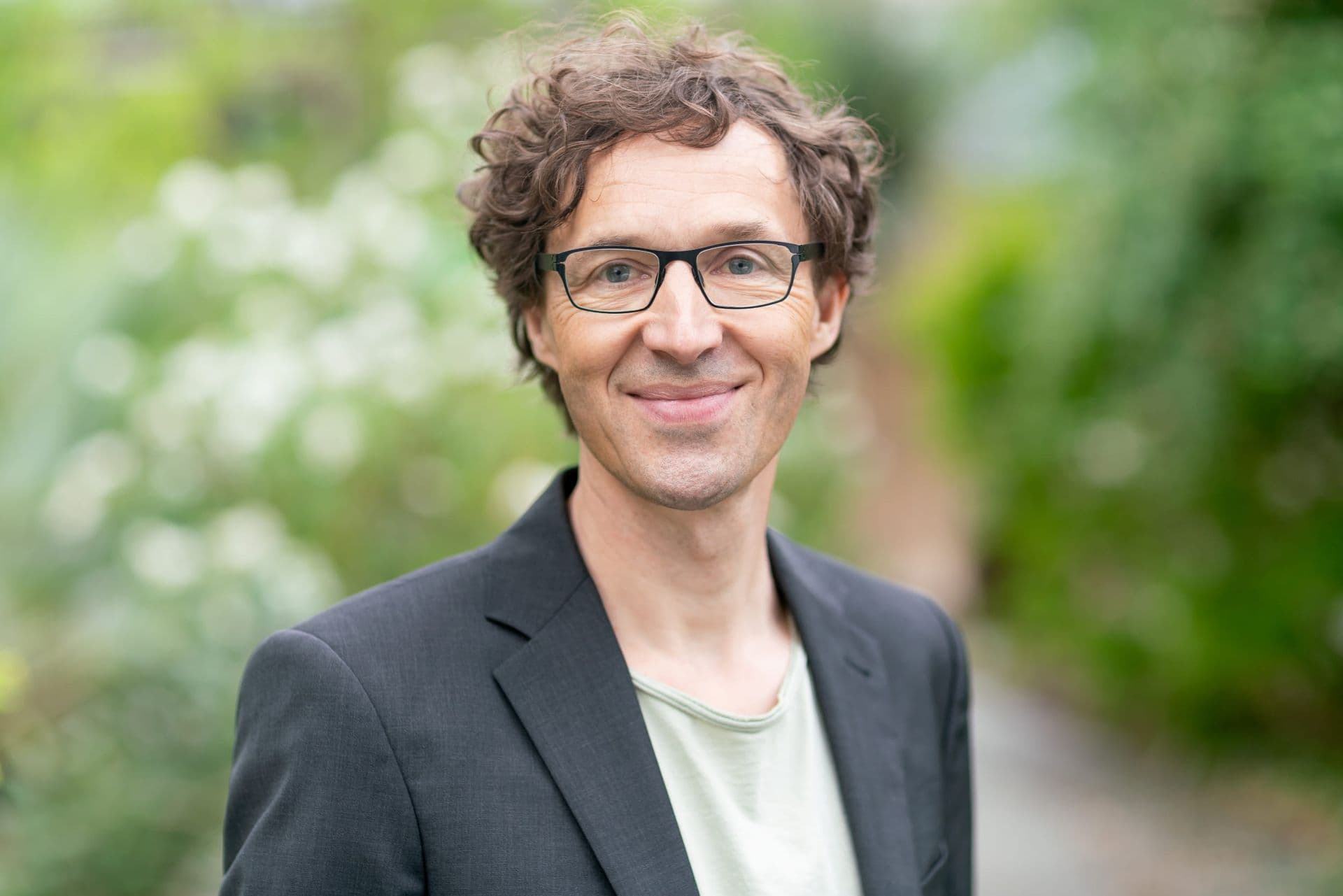
In the face of climate crisis and societal divisions, the enduring concepts of **Joseph Beuys** regarding “social sculpture” continue to inspire reflection on individual roles in shaping the world. **Prof. Dr. Timo Skrandies**, a prominent German theorist and aesthetician from the **University of Heinrich Heine** in Düsseldorf, will address this topic today at a lecture titled “Expanded Concept of Art (Joseph Beuys): Artistic Practice and Social Sculpture.” The event is scheduled for **12:00** at the Faculty of Fine Arts in **Cetinje** and **18:30** at the European House in **Bar**.
Skrandies, a leading researcher on Beuys’ life and work, will discuss art as a space for transformation, empathy, and collective action. He emphasizes that these themes are crucial for understanding contemporary life in what he describes as the “critical zone” of today’s society. This lecture is part of a program organized by the Faculty of Fine Arts to mark the exhibition “I Want to See My Mountains,” inspired by Beuys’ ambient installation, in collaboration with the **Embassy of the Federal Republic of Germany** in **Podgorica** and the Institute for Foreign Relations.
In an interview with **Pobjeda**, Skrandies reflects on Beuys’ legacy in the modern world, highlighting his art’s capacity to provoke thought and heal. He believes that every individual possesses the creative potential to enact societal change, a sentiment stemming from Beuys’ assertion that “everyone is an artist.”
Beuys’ Timeless Impact on Contemporary Issues
Skrandies explains the lasting relevance of Beuys’ artistic and political ideas in today’s context, marked by climate anxiety and social polarization. “Beuys passed away in 1986, before the reunification of Germany and the end of the global division between East and West,” he notes. “While societal conditions such as right-wing populism and shifting international relations are changing again, Beuys may not be relevant in every aspect today, as his art belongs to a different time.”
Nevertheless, he identifies two primary reasons for Beuys’ enduring presence in contemporary discourse. Firstly, Beuys served as an aesthetic inspiration for many later artists, including **Marina Abramović**, **Anselm Kiefer**, and **Matthew Barney**, who have creatively adapted and critically interrogated his ideas. Secondly, Beuys addressed issues still affecting society today, such as ecological crisis, the future of Europe, and concepts of democracy and education.
Understanding Beuys’ Notion of Creativity
Skrandies elaborates on Beuys’ famous declaration that “everyone is an artist,” interpreting it as both a provocation and a genuine attempt to redefine creativity and democracy. He calls this assertion a “provocative summary” of foundational concepts in Beuys’ work, emphasizing that human action is inherently creative and fosters social connections. This notion encourages communal efforts to shape society based on creative ideas.
Exploring Beuys’ works, Skrandies connects them to contemporary ecological and philosophical discussions. He points out that Beuys engaged with fundamental questions such as “nature protection,” which he deemed vital. “He was one of the first artists to address the ecological crisis, which became widely recognized in the early 1970s with the **Club of Rome’s** report ‘Limits to Growth,'” Skrandies states.
While Beuys felt a profound connection to the natural world, he distinguished between nature and culture. Contemporary theories on the Anthropocene and critical zone challenge this dichotomy, focusing on the interdependencies and long-term impacts between human and non-human actors.
Skrandies acknowledges that many critics argue Beuys blurred the lines between art and life, myth and history. He encourages a nuanced approach to Beuys’ self-mythologizing, advocating for a dialogue that avoids romanticizing or dismissing his contributions.
He asserts that the materials Beuys employed—such as felt, fat, and honey—carry symbolic significance and reflect his ideas on healing, transformation, and human vulnerability. “Transformation is a key concept in Beuys’ work, as seen in the materials he valued, which embody dynamic processes of energy,” Skrandies explains.
Social Sculpture and Collective Responsibility
The concept of social sculpture illustrates how our thoughts, feelings, and actions undergo constant transformations and connections. “We are all part of and create social sculpture at every moment,” Skrandies asserts. “This shows that we cannot shift the responsibility for what happens in our communities and on our planet to others. We live in a shared space of resonance, and we all bear responsibility for our cohabitation.”
As Skrandies prepares to engage with audiences in Montenegro, he hopes attendees will recognize the importance of avoiding misunderstandings surrounding Beuys’ work. He encourages ongoing dialogue to collectively understand and shape life in the critical zone, ensuring that everyone has the opportunity to thrive.
In closing, Skrandies emphasizes the complexity of Beuys’ artistic legacy, which encompasses his personality, life story, and various works. “It is essential to continue discussing his art and content to prevent the greatest misunderstanding: that his work is finished or complete,” he concludes.










Belfast Gears Up for Vibrant St Patrick’s Day Parade on March 17

Cuba Faces Nationwide Blackout Amid Deepening Energy Crisis

Wirral Council to Restructure Leadership, Cutting Two Top Roles

Rethinking Resistance Training: Key Insights from US Experts

EU Membership on the Horizon: What It Means for Citizens

Ukrainian Drone Swarms Strike Moscow Region for Second Day

Henley Launches Innovative Initiative to Boost Local Economy

Court Ruling Allows Pandemic Tax Refund Claims Until 2026

Sean Penn’s Absence at 2026 Oscars Sparks Discussion

Coronation Street’s Shocking Murder Twist Reveals Family Secrets

Andrew Pierce Confirms Departure from ITV’s Good Morning Britain

Katie Price Faces New Health Concerns After Cancer Symptoms Resurface

Sue Radford Reveals Weight Loss Journey, Shedding 12–13 kg

Kate Garraway Sells £2 Million Home Amid Financial Struggles

Jordan Brook Faces Health Crisis in Hospital as Sophie Kasaei Stays Away

EastEnders’ Nicola Mitchell Faces Unexpected Pregnancy Crisis

Bailey Announces Heartbreaking Split from Rebecca After Reunion

Ann Ming Reflects on ITV’s ‘I Fought the Law’ Drama
-
 World4 months ago
Coronation Street’s Shocking Murder Twist Reveals Family Secrets
-
 Entertainment4 months ago
Andrew Pierce Confirms Departure from ITV’s Good Morning Britain
-
 Health7 months ago
Katie Price Faces New Health Concerns After Cancer Symptoms Resurface
-
 Health2 months ago
Sue Radford Reveals Weight Loss Journey, Shedding 12–13 kg
-
 Entertainment8 months ago
Kate Garraway Sells £2 Million Home Amid Financial Struggles
-
 Entertainment3 weeks ago
Jordan Brook Faces Health Crisis in Hospital as Sophie Kasaei Stays Away
-
 World5 months ago
EastEnders’ Nicola Mitchell Faces Unexpected Pregnancy Crisis
-
 World5 months ago
Bailey Announces Heartbreaking Split from Rebecca After Reunion
-
 Entertainment7 months ago
Ann Ming Reflects on ITV’s ‘I Fought the Law’ Drama
-

 Entertainment2 months ago
Selena Gomez’s Name Linked to Epstein: Examining the Claims
-

 Health7 months ago
TOWIE Stars Sophie Kasaei and Jordan Brook Pursue Fertility Treatment
-
 Health7 months ago
Fiona Phillips’ Husband Shares Heartbreaking Update on Her Health