
Lifestyle
New Novel Explores Identity Amid Crisis in Montenegro

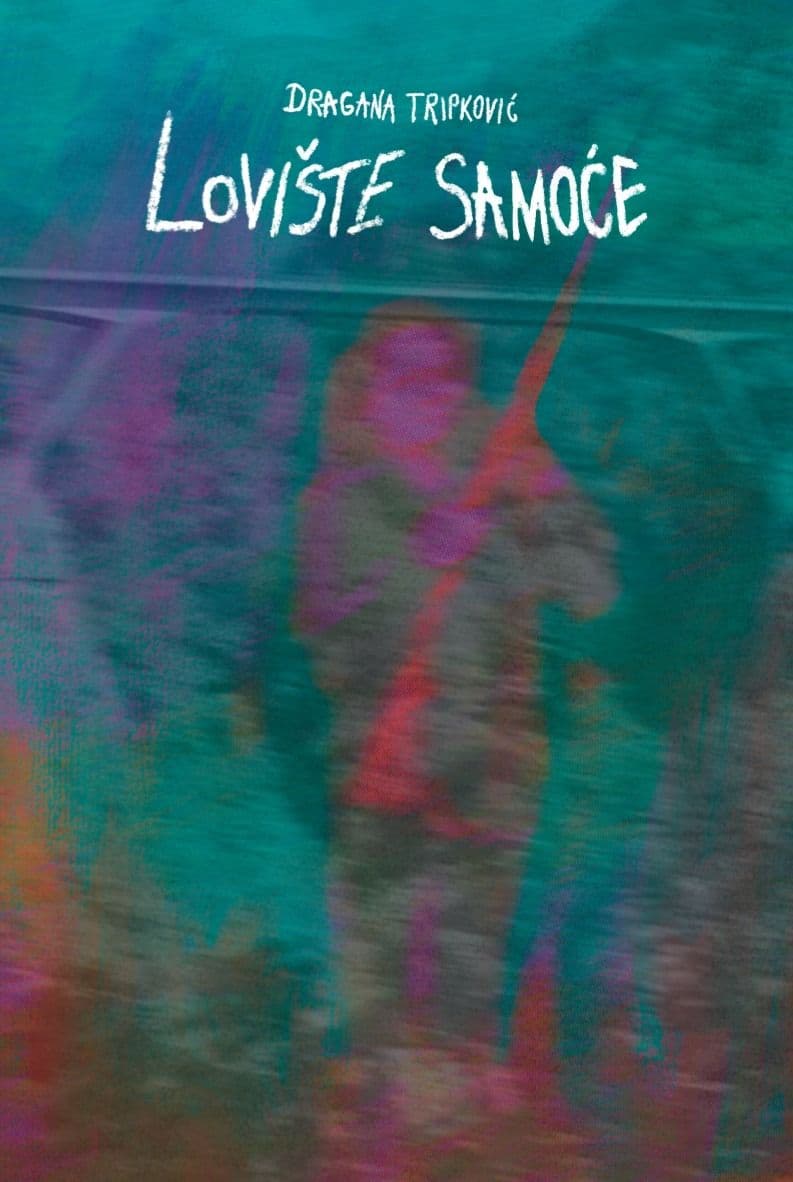
The recent release of the novel “Lovište samoće” marks the debut of Dragana Tripković, a Montenegrin author previously known for her dramatic and poetic works. Published by the Platform for Books and the Open Cultural Forum (OKF), the novel reflects on the social and pandemic crises that have shaped contemporary Montenegro. While it is inspired by these experiences, Tripković aims for the narrative to transcend the confines of a pandemic-themed story.
The plot unfolds through two intertwining narratives: one explores themes of corruption and media pressure, which editor Jelena Knežević describes as “urban noir,” while the other follows the protagonist’s return to her rural roots and nature, characterized as “rural-mythological.” The main character is a journalist with aspirations of becoming a writer, who finds herself navigating the nightlife of Podgorica before returning to her father in Morča during the pandemic lockdown. This return prompts her to confront profound questions about her identity and origins.
Tripković does not shy away from critiquing societal issues. She vividly depicts the processions organized by the Serbian Orthodox Church in Montenegro, where slogans like “We will not give up our sanctities” are carried by individuals with hollow gazes. This imagery highlights a society where individualism is overshadowed by collective identity and political maneuvering. A central symbol in the novel is the snake, rooted in Montenegrin beliefs but contextualized within contemporary circumstances.
In an interview with POBJEDA, Tripković elaborated on the dual narratives she constructed and expressed her concern regarding the fleeting nature of journalistic truth in Montenegro, where critical information often fades within days.
Exploring the Complexity of Identity
Tripković explains that the contrasting environments of Podgorica and Morča are not strictly opposed but rather complementary. She describes Podgorica as a place where truth is frequently compromised. The city is portrayed as cynical and fast-paced, where everyone is entangled in a web of complicity. Here, the protagonist operates as a professional, relying on documents and facts, yet she is also a product of this environment. In her view, Podgorica represents not just a physical location but a psychological state, echoing the experiences of previous generations in the city.
Conversely, Morča offers a stark contrast. The absence of neon lights and noise reveals unsettling images and layers of life. The slow pace of rural life fosters a different kind of awareness, where words carry weight and dreams have roots. In this setting, identity is gradually unveiled, contrasting with the urban experience where it is often built through resistance. Tripković notes that the rural myth transforms into paranoia, while the hunt for truth emerges as an urban pursuit.
Corruption and Political Manipulation
The narrative also delves into the role of journalism in a society where the truth can be ephemeral. The protagonist grapples with the futility of her work in a system where scandals and distractions dominate the news cycle. Tripković articulates a poignant reality: “We live in a country where everyone knows everything, yet nothing changes.” This pervasive sense of anxiety reflects the challenges facing investigative journalism in Montenegro today.
The novel further positions the pandemic as a catalyst for exposing existing corruption. Tripković argues that while the virus was a global phenomenon, corruption remained a local issue. In her portrayal, the pandemic acts as a political accelerator that reveals systemic flaws. She asserts that the entire Balkan region has witnessed similar manifestations of corruption, particularly in the procurement of medical supplies during the crisis. The pandemic did not usher in a new order but reinforced pre-existing power structures.
Tripković describes the liturgies held by the Serbian Orthodox Church as more than mere religious events; they serve as political choreography. She captures the atmosphere of these mass gatherings, likening participants to “zombie-like individuals with hollow gazes.” This portrayal underscores the loss of individuality within collective movements, where fear and archaic sentiments dominate. The events echo themes found in Ingmar Bergman‘s film “The Seventh Seal,” illustrating a dance of death that is political rather than metaphysical.
In conclusion, Dragana Tripković‘s “Lovište samoće” offers a compelling exploration of identity, corruption, and the complexities of contemporary Montenegro. Through her protagonist’s journey, Tripković invites readers to reflect on the broader implications of truth and power in a society grappling with its past and present. The novel serves as a mirror to the current state of affairs, revealing the intricate connections between personal and political narratives.









Study Reveals Nutri-Score Labels Misrepresent Soluble Cocoa Quality

Graeme Souness Stranded in Abu Dhabi Amid Regional Conflict

Trump Responds to Reports of Ali Khamenei’s Possible Death

Liverpool Family Shelters in Qatar Amid Regional Tensions

Whales Shift Strategy: Dump Bitcoin, Invest in Pepeto Presale

Aitch Reflects on Manchester’s BRITs Debut and His YouTube Rise

Wales Freezes Rail Fares for One Year Starting March 1

Coronation Street Reveals Audrey Roberts’ Long-Awaited Return

Explore the Essex Village’s Historical Role in Disease Treatment

Coronation Street’s Shocking Murder Twist Reveals Family Secrets

Andrew Pierce Confirms Departure from ITV’s Good Morning Britain

Katie Price Faces New Health Concerns After Cancer Symptoms Resurface

Sue Radford Reveals Weight Loss Journey, Shedding 12–13 kg

Kate Garraway Sells £2 Million Home Amid Financial Struggles

EastEnders’ Nicola Mitchell Faces Unexpected Pregnancy Crisis

Ann Ming Reflects on ITV’s ‘I Fought the Law’ Drama

Bailey Announces Heartbreaking Split from Rebecca After Reunion

Selena Gomez’s Name Linked to Epstein: Examining the Claims
-
 World3 months ago
Coronation Street’s Shocking Murder Twist Reveals Family Secrets
-
 Entertainment3 months ago
Andrew Pierce Confirms Departure from ITV’s Good Morning Britain
-
 Health6 months ago
Katie Price Faces New Health Concerns After Cancer Symptoms Resurface
-
 Health1 month ago
Sue Radford Reveals Weight Loss Journey, Shedding 12–13 kg
-
 Entertainment7 months ago
Kate Garraway Sells £2 Million Home Amid Financial Struggles
-
 World4 months ago
EastEnders’ Nicola Mitchell Faces Unexpected Pregnancy Crisis
-
 Entertainment6 months ago
Ann Ming Reflects on ITV’s ‘I Fought the Law’ Drama
-
 World3 months ago
Bailey Announces Heartbreaking Split from Rebecca After Reunion
-
 Entertainment3 weeks ago
Selena Gomez’s Name Linked to Epstein: Examining the Claims
-

 Entertainment3 months ago
Coronation Street Fans React as Todd Faces Heartbreaking Choice
-

 Entertainment3 months ago
David Jason and Nicholas Lyndhurst Eye Reunion for Only Fools Anniversary
-

 Entertainment3 months ago
Bradley Walsh Sparks Strictly Come Dancing Hosting Speculation