
Health
New Study Unveils Complex Roles of AMPK Isoforms in Alzheimer’s

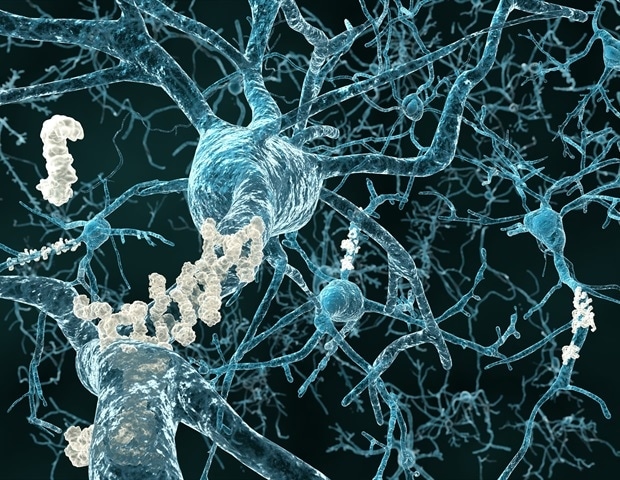
A recent mini-review published in Brain Medicine by Dr. Tao Ma and his colleagues at Wake Forest University School of Medicine has brought to light the complex roles of two isoforms of AMP-activated protein kinase (AMPK) in the context of Alzheimer’s disease. This work synthesizes emerging evidence that highlights how these isoforms, while sharing a significant degree of similarity, play distinct and sometimes opposing roles in the disease’s progression.
The review suggests that this complexity may explain why pharmacological interventions targeting AMPK have produced inconsistent results in treating the condition, which currently affects an estimated 6.7 million individuals in the United States alone. AMPK is a key cellular energy sensor that integrates the body’s energy demands by balancing anabolic and catabolic processes. Neurons, which have high metabolic needs, rely on AMPK to modulate local energy availability, making it vital for optimal synaptic and neuronal function.
Distinct Pathways of AMPK Isoforms
Dr. Ma notes that until now, research has generally treated AMPK as a singular entity in the study of Alzheimer’s disease. He stated, “Our synthesis of recent studies reveals that the two AMPKα isoforms can have opposing effects on synaptic plasticity and cognitive function. This distinction is critical for understanding why some pharmacological approaches have shown benefit while others have worsened outcomes.”
The two isoforms, known as AMPKα1 and AMPKα2, are encoded by different genes. Despite their roughly 90 percent homology in their catalytic domains, the review identifies that they contribute differently to cognitive function. In familial Alzheimer’s disease, characterized by amyloid-β accumulation, AMPKα1 overexpression leads to hyperphosphorylation of eukaryotic elongation factor 2, inhibiting de novo protein synthesis. Conversely, in late-onset Alzheimer’s disease, diminished AMPKα2 expression results in abnormal activation of eukaryotic initiation factor 2α through a distinct pathway involving the kinase PERK.
Evidence from Human and Animal Studies
Detailed examinations of postmortem brain tissue from Alzheimer’s patients revealed a significant increase in AMPKα1 expression alongside a notable decrease in AMPKα2 expression. This pattern was not found in other neurodegenerative diseases, indicating a unique alteration of AMPK signaling in Alzheimer’s. Furthermore, research involving transgenic mouse models indicated that suppression of AMPKα1 could restore learning and memory deficits, independently of amyloid deposition or tau phosphorylation. In contrast, reducing AMPKα2 in healthy mice led to cognitive impairment and synaptic failure.
The complexities of AMPK isoforms may also clarify the controversial effects of the diabetes medication metformin on Alzheimer’s. While some studies suggest metformin could prevent pathological changes associated with the disease, others indicate it might increase the risk of cognitive deficits. The review proposes that different cell types and compartments may experience isoform-specific activation of AMPK when treated with metformin, adding layers of complexity to its pharmacological effects.
Future Research Directions
The authors highlight several promising avenues for future research. They advocate for the development of small-molecule drugs that can effectively cross the blood-brain barrier and selectively target AMPK isoforms. Additionally, they suggest that identifying AMPK isoforms as potential biomarkers in blood, cerebrospinal fluid, or through imaging could aid in diagnosis. Understanding the specific roles of AMPK isoforms in the central nervous system versus peripheral systems could further illuminate therapeutic opportunities.
Dr. Ma emphasized the importance of recognizing the functional dichotomy of the AMPKα isoforms, stating, “Selective inhibition of AMPKα1, rather than broad AMPK modulation, could represent a more precise strategy for treating Alzheimer’s disease while avoiding adverse effects observed with non-selective approaches.”
Preliminary biomarker studies have already demonstrated significant decreases in AMPKα1 levels in plasma samples from Alzheimer’s patients compared to healthy controls, suggesting that such isoform-specific measurements could prove valuable in diagnostic processes.
As research continues, it is crucial to consider how various pharmacological agents interact with AMPK isoforms. Different compounds exhibit selective activation of AMPKα isoforms, indicating that previous clinical trials may have unintentionally targeted distinct isoforms, affecting their efficacy and outcomes.
The insights from this mini-review represent a significant step forward in understanding the complex biology of AMPK in Alzheimer’s disease. Supported by grants from the National Institutes of Health and the Cure Alzheimer’s Fund, the findings offer a comprehensive framework for researchers and clinicians, paving the way for more targeted and effective therapeutic strategies in the battle against Alzheimer’s disease.













Oxford Launches Motherlabs to Empower Start-ups with New Labs

Audi and Cadillac Face Challenges After Barcelona F1 Shakedown

Funeral Procession for Convicted Offender Sparks Controversy

Build a Monthly Income: Five Stocks for Consistent Dividends

Build a Monthly Income with This 5-Stock Portfolio

Steve Vai and Devin Townsend Reflect on Their Musical Journey

Nutrition Experts Advocate for Fibrelayering Over Fibremaxxing

Grandfather’s Unintentional Confession Unveils Family Mafia Ties

Rising Trade Opportunities Make Parents Rethink University

Coronation Street’s Shocking Murder Twist Reveals Family Secrets

Andrew Pierce Confirms Departure from ITV’s Good Morning Britain

Katie Price Faces New Health Concerns After Cancer Symptoms Resurface

Sue Radford Reveals Weight Loss Journey, Shedding 12–13 kg

Kate Garraway Sells £2 Million Home Amid Financial Struggles

Ann Ming Reflects on ITV’s ‘I Fought the Law’ Drama

Bailey Announces Heartbreaking Split from Rebecca After Reunion

David Jason and Nicholas Lyndhurst Eye Reunion for Only Fools Anniversary

Coronation Street Fans React as Todd Faces Heartbreaking Choice
-
 World2 months ago
Coronation Street’s Shocking Murder Twist Reveals Family Secrets
-
 Entertainment2 months ago
Andrew Pierce Confirms Departure from ITV’s Good Morning Britain
-
 Health5 months ago
Katie Price Faces New Health Concerns After Cancer Symptoms Resurface
-
 Health2 weeks ago
Sue Radford Reveals Weight Loss Journey, Shedding 12–13 kg
-
 Entertainment6 months ago
Kate Garraway Sells £2 Million Home Amid Financial Struggles
-
 Entertainment5 months ago
Ann Ming Reflects on ITV’s ‘I Fought the Law’ Drama
-
 World3 months ago
Bailey Announces Heartbreaking Split from Rebecca After Reunion
-
 Entertainment2 months ago
David Jason and Nicholas Lyndhurst Eye Reunion for Only Fools Anniversary
-
 Entertainment3 months ago
Coronation Street Fans React as Todd Faces Heartbreaking Choice
-

 World3 months ago
EastEnders’ Nicola Mitchell Faces Unexpected Pregnancy Crisis
-

 Entertainment2 months ago
Bradley Walsh Sparks Strictly Come Dancing Hosting Speculation
-

 Entertainment2 months ago
Two Stars Evicted from I’m A Celebrity Just Days Before Finale