
Business
Geopolitical Tensions Shift Oil Market Sentiment as Prices Rise

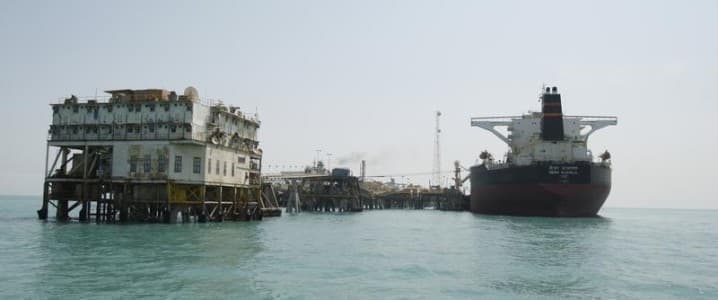
At the beginning of 2024, the oil market exhibited a predominantly bearish sentiment, driven by forecasts predicting a significant supply glut. Recent developments, such as the United States taking action against Venezuela and escalating tensions with Iran, have shifted this outlook. Brent crude prices have climbed above $65 per barrel, signalling a potential change in market dynamics.
Geopolitics has historically influenced oil prices, and the current landscape underscores this unpredictability. With ongoing protests in Iran and differing alliances within the Gulf region, particularly between Saudi Arabia and the UAE regarding the conflict in Yemen, the risk of supply disruptions remains high. The chronic political instability in major oil-producing nations often raises concerns about reliable supply.
According to Barchart, the amount of crude oil on tankers that have remained stationary for over seven days has decreased to 120.9 million barrels as of January 9, 2024. This figure contrasts sharply with the approximately 1.3 billion barrels of crude on tankers reported at the end of 2023, which was deemed the highest since pandemic-related lockdowns. The earlier estimates suggested a dire demand destruction scenario, but the current physical market data indicates a healthier demand outlook.
Bloomberg reported a notable decline in Russian oil exports, dropping by around 450,000 barrels per day over the four weeks leading to January 11, attributed to U.S. sanctions rather than an organic decline in demand. Countries such as India and China, which have been ramping up their electrification efforts, have not significantly reduced their demand for oil. The sanctions, effective since late November 2023, have added further pressure, indicating that geopolitical tensions are reshaping the oil landscape.
Market analysts have pointed out that the seemingly alarming drop in Russian oil exports is not as severe as it appears. The decline of 30,000 barrels per day from Christmas to January 4 suggests that demand remains robust, particularly for discounted crude.
China’s access to Venezuelan crude has also been affected, raising questions about the implications of U.S. influence over Venezuela’s oil industry. The evolving situation in Venezuela suggests that China’s strategic stockpiling last year was a calculated move, allowing it to navigate fluctuations in supply while waiting for developments in the region.
As protests in Iran escalate, they have garnered attention from both the European Union and U.S. officials. Analysts from Citi noted that these protests could tighten global oil balances, primarily through increased geopolitical risk premiums. They highlighted that the current risks lean more towards political and logistical challenges rather than direct supply outages.
Despite the bearish sentiment prevailing in the market, some analysts foresee potential upward momentum. Ole Hansen, head of commodity strategy at Saxo Bank, emphasized that oil traders remain cautious, and any improvement in technical or fundamental outlooks could lead to a price rebound.
In a further demonstration of geopolitical risks, reports emerged of a drone attack on two tankers in the Black Sea, which were heading towards a loading point for the Caspian Pipeline Consortium. The identity of the perpetrators remains unconfirmed, but the incident underscores the persistent risks that could impact oil supply.
In summary, while bearish sentiments dominated the oil market at the start of the year, recent geopolitical developments suggest a potential for price increases. Analysts are closely monitoring the evolving situations in Iran, Venezuela, and Russia, as these factors could significantly influence the global oil landscape in the coming months. As geopolitical tensions persist, the market may remain vulnerable to sudden shifts in sentiment and pricing.









Belfast Gears Up for Vibrant St Patrick’s Day Parade on March 17

Cuba Faces Nationwide Blackout Amid Deepening Energy Crisis

Wirral Council to Restructure Leadership, Cutting Two Top Roles

Rethinking Resistance Training: Key Insights from US Experts

EU Membership on the Horizon: What It Means for Citizens

Ukrainian Drone Swarms Strike Moscow Region for Second Day

Henley Launches Innovative Initiative to Boost Local Economy

Court Ruling Allows Pandemic Tax Refund Claims Until 2026

Sean Penn’s Absence at 2026 Oscars Sparks Discussion

Coronation Street’s Shocking Murder Twist Reveals Family Secrets

Andrew Pierce Confirms Departure from ITV’s Good Morning Britain

Katie Price Faces New Health Concerns After Cancer Symptoms Resurface

Sue Radford Reveals Weight Loss Journey, Shedding 12–13 kg

Kate Garraway Sells £2 Million Home Amid Financial Struggles

Jordan Brook Faces Health Crisis in Hospital as Sophie Kasaei Stays Away

EastEnders’ Nicola Mitchell Faces Unexpected Pregnancy Crisis

Bailey Announces Heartbreaking Split from Rebecca After Reunion

Ann Ming Reflects on ITV’s ‘I Fought the Law’ Drama
-
 World4 months ago
Coronation Street’s Shocking Murder Twist Reveals Family Secrets
-
 Entertainment4 months ago
Andrew Pierce Confirms Departure from ITV’s Good Morning Britain
-
 Health7 months ago
Katie Price Faces New Health Concerns After Cancer Symptoms Resurface
-
 Health2 months ago
Sue Radford Reveals Weight Loss Journey, Shedding 12–13 kg
-
 Entertainment8 months ago
Kate Garraway Sells £2 Million Home Amid Financial Struggles
-
 Entertainment3 weeks ago
Jordan Brook Faces Health Crisis in Hospital as Sophie Kasaei Stays Away
-
 World5 months ago
EastEnders’ Nicola Mitchell Faces Unexpected Pregnancy Crisis
-
 World5 months ago
Bailey Announces Heartbreaking Split from Rebecca After Reunion
-
 Entertainment7 months ago
Ann Ming Reflects on ITV’s ‘I Fought the Law’ Drama
-

 Entertainment2 months ago
Selena Gomez’s Name Linked to Epstein: Examining the Claims
-

 Health7 months ago
TOWIE Stars Sophie Kasaei and Jordan Brook Pursue Fertility Treatment
-

 Health7 months ago
Fiona Phillips’ Husband Shares Heartbreaking Update on Her Health