
Health
Patient Faces Challenges with 120 Weekly Tablets After Surgery

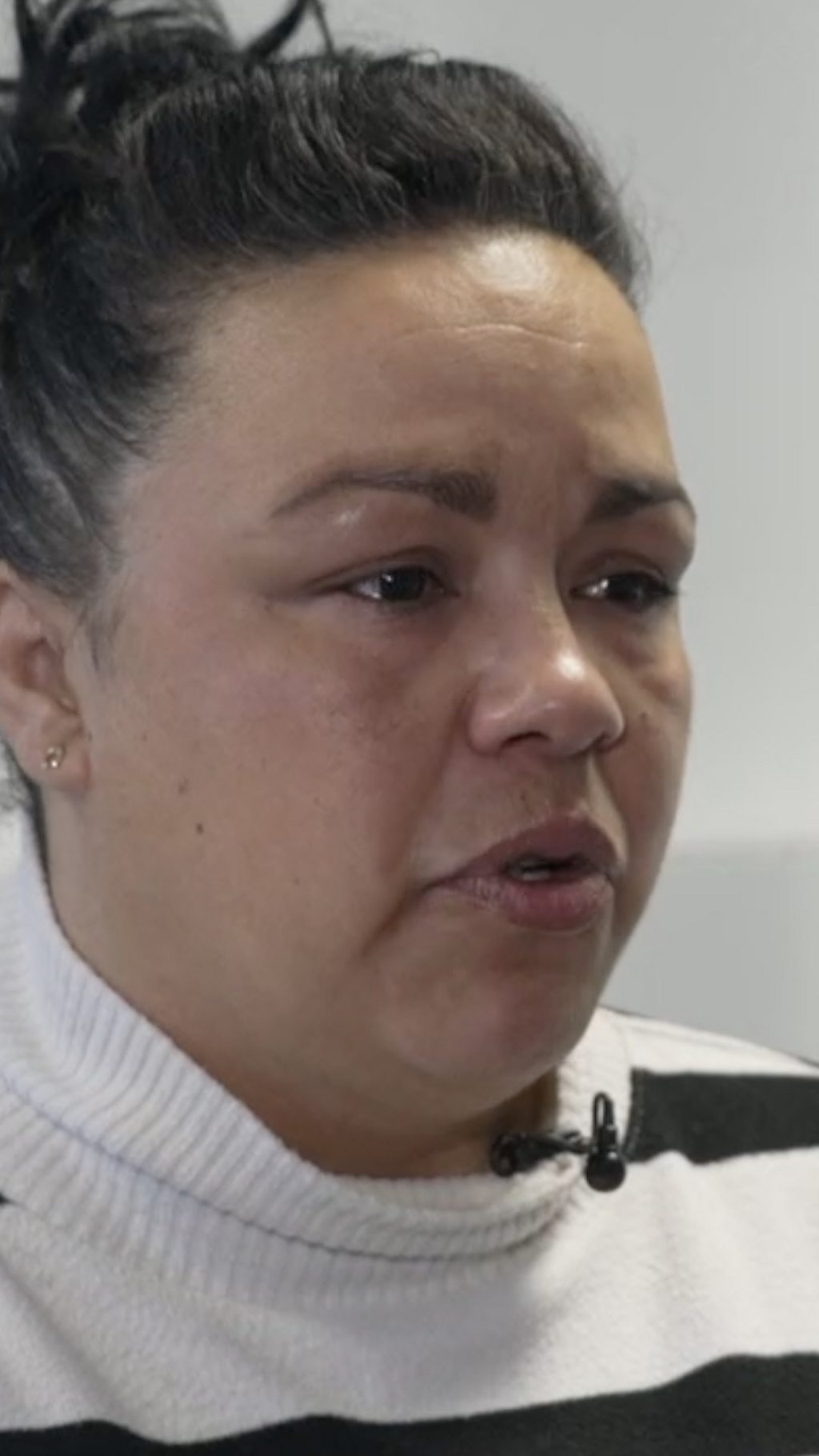
A patient in London is navigating the complexities of post-operative recovery after undergoing a mesh operation in March 2023. John Smith, 45, disclosed that he is currently required to take an astonishing 120 tablets each week to manage pain and other complications resulting from the surgery. This high dosage has raised significant concerns about long-term health effects and the sustainability of such a treatment regimen.
The mesh operation, which was intended to alleviate chronic pain, has instead led to a series of unforeseen challenges for Smith. He reported that the initial procedure was a standard approach to address his medical issues, but complications arose shortly after. Despite the expectations of a smoother recovery, he now finds himself reliant on an extensive medication routine, which includes both prescription painkillers and over-the-counter drugs.
Concerns Over Medication Dependency
Smith’s situation underscores a growing concern regarding medication dependency following surgical procedures. Medical professionals warn that the combination of high tablet intake and the potential for dependency can lead to serious health risks. “Patients often underestimate the implications of prolonged medication use,” stated Dr. Sarah Thompson, a consultant surgeon at St. Mary’s Hospital in London. She emphasized the need for careful monitoring and management of post-operative care to mitigate risks associated with high medication use.
The financial burden also cannot be overlooked. Smith revealed that his weekly medication costs reach approximately £150, a sum that significantly impacts his household budget. Many patients in similar situations face difficult choices between necessary treatments and their financial stability. This highlights the need for healthcare systems to provide better support and resources for patients struggling with medication costs.
Exploring Alternatives for Pain Management
In light of his current circumstances, Smith is exploring alternative methods for pain management. He is considering options such as physical therapy, acupuncture, and holistic approaches, hoping to reduce his dependency on medication. “I want to regain control of my health without being overwhelmed by pills,” he expressed during a recent interview.
Health experts encourage patients facing similar challenges to engage in open dialogues with their healthcare providers. They stress the importance of individualized treatment plans that consider both the physical and emotional aspects of recovery. “A multidisciplinary approach can often yield better outcomes for patients,” Dr. Thompson noted.
As Smith continues to navigate this difficult chapter in his life, his story serves as a reminder of the ongoing challenges many patients encounter after surgical procedures. It highlights the critical need for comprehensive post-operative care strategies that prioritize patient well-being while addressing the complexities of pain management.












Wales Freezes Rail Fares for One Year Starting March 1

Coronation Street Reveals Audrey Roberts’ Long-Awaited Return

Explore the Essex Village’s Historical Role in Disease Treatment

Green Lentils Outperform Others in Antioxidants and Fiber

U.S.-Israel Operations Against Iran Spark Rapid Regional Tensions

Researchers Uncover Gene Regulation Mechanisms to Combat Diseases

Tudor Seeks Resilient Players as Spurs Face Relegation Battle

British Army Training Exercises Surge in Germany to 23 Annually

Aliro 1.0 Standard Transforms Digital Access Control Worldwide

Coronation Street’s Shocking Murder Twist Reveals Family Secrets

Andrew Pierce Confirms Departure from ITV’s Good Morning Britain

Katie Price Faces New Health Concerns After Cancer Symptoms Resurface

Sue Radford Reveals Weight Loss Journey, Shedding 12–13 kg

Kate Garraway Sells £2 Million Home Amid Financial Struggles

EastEnders’ Nicola Mitchell Faces Unexpected Pregnancy Crisis

Ann Ming Reflects on ITV’s ‘I Fought the Law’ Drama

Bailey Announces Heartbreaking Split from Rebecca After Reunion

Selena Gomez’s Name Linked to Epstein: Examining the Claims
-
 World3 months ago
Coronation Street’s Shocking Murder Twist Reveals Family Secrets
-
 Entertainment3 months ago
Andrew Pierce Confirms Departure from ITV’s Good Morning Britain
-
 Health6 months ago
Katie Price Faces New Health Concerns After Cancer Symptoms Resurface
-
 Health1 month ago
Sue Radford Reveals Weight Loss Journey, Shedding 12–13 kg
-
 Entertainment7 months ago
Kate Garraway Sells £2 Million Home Amid Financial Struggles
-
 World4 months ago
EastEnders’ Nicola Mitchell Faces Unexpected Pregnancy Crisis
-
 Entertainment6 months ago
Ann Ming Reflects on ITV’s ‘I Fought the Law’ Drama
-
 World3 months ago
Bailey Announces Heartbreaking Split from Rebecca After Reunion
-
 Entertainment3 weeks ago
Selena Gomez’s Name Linked to Epstein: Examining the Claims
-

 Entertainment3 months ago
Coronation Street Fans React as Todd Faces Heartbreaking Choice
-

 Entertainment3 months ago
David Jason and Nicholas Lyndhurst Eye Reunion for Only Fools Anniversary
-

 Entertainment3 months ago
Bradley Walsh Sparks Strictly Come Dancing Hosting Speculation