
Business
Europe Must Abandon Illusions for a Strategic Survival Plan

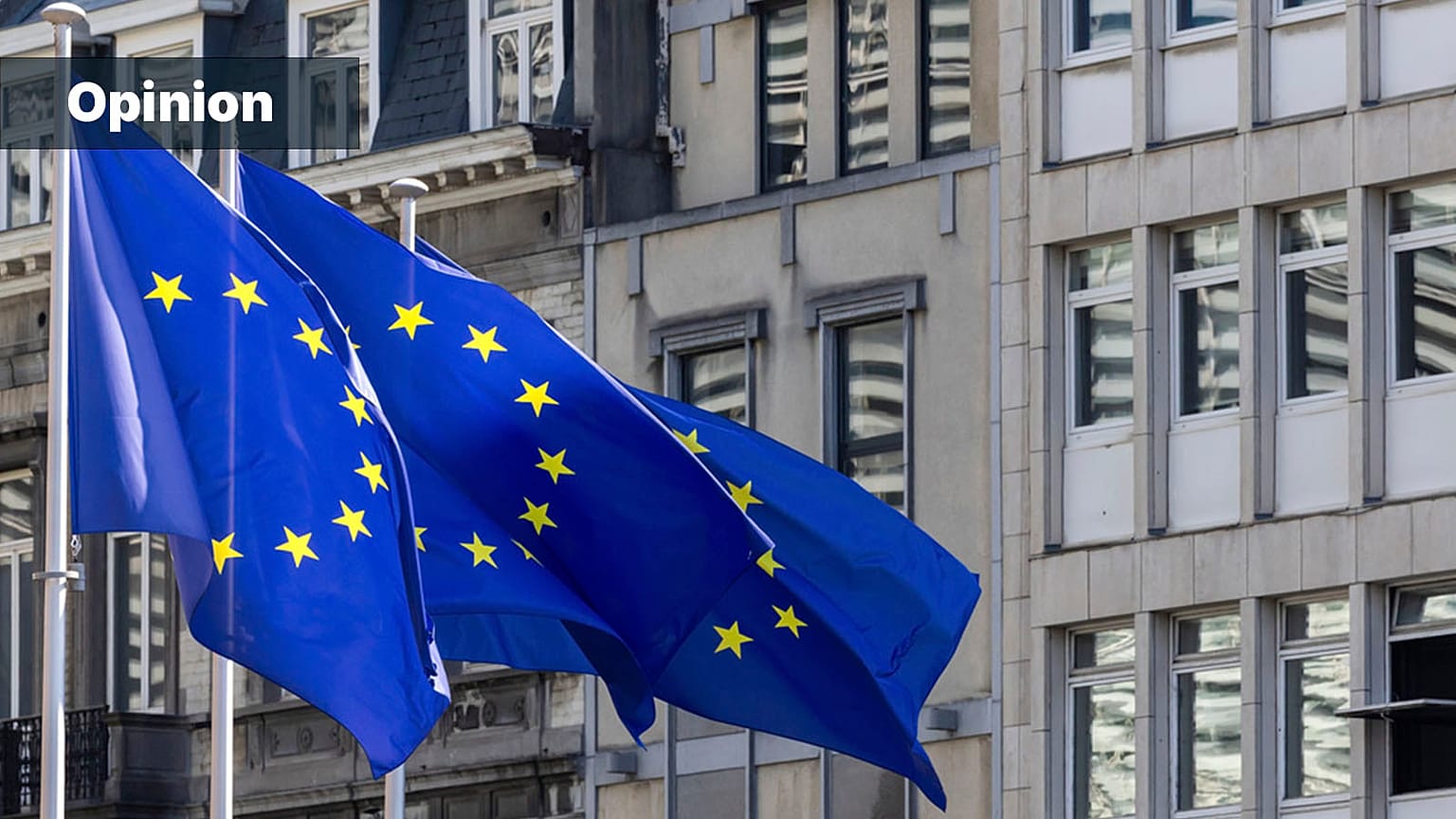
In a recent opinion piece for Euronews, Dr. Alexander Wolf, Head of the Hanns-Seidel-Foundation’s Berlin office, argues that Europe must move beyond wishful thinking and develop a concrete survival strategy. As the world order continues to shift dramatically, the continent faces a pressing need to reassess its geopolitical stance and economic priorities. Dr. Wolf identifies three key illusions that Europe must abandon to secure its future.
The past year witnessed significant upheaval, culminating in 2025, a turning point that marked the end of the traditional world order. By January 1, 2026, it will be clear that good intentions alone will not suffice. The events of 2025, including the tectonic shifts during Liberation Day in April and challenges to the US Federal Reserve’s independence, serve as stark reminders that the geopolitical landscape has changed irrevocably.
Recognizing the New Reality
Dr. Wolf emphasizes that the era of strategic naivety is over. The familiar notion that transatlantic relations will revert to their past normalcy is both dangerous and misleading. The financial markets have already indicated a lack of confidence in the old dynamics, with gold prices surging by approximately 60% in 2025. Investors are increasingly diversifying away from the US dollar, seeking safe havens instead.
For Europe, this reality necessitates a shift towards financial and security autonomy. The continent must learn to navigate without relying on the United States as a “big brother.” Establishing a robust European pillar within NATO and developing deeper capital markets are no longer optional; they are essential for the survival of the European model.
Confronting Competition and Innovation
The second illusion Dr. Wolf addresses is the belief that the market will resolve issues with China. For years, Europe has operated under the mantra of “change through trade,” assuming that increased exports would lead to mutual growth. However, the events of 2025 have dispelled this notion, revealing that competition with China is not merely about market share but represents a systemic struggle for dominance.
As innovation accelerates in cities like Shenzhen at a pace that Europe struggles to match, the need for a decisive response becomes clear. Europe must abandon its passive stance and embrace an active industrial policy. Supporting key technologies such as electric mobility, robotics, and artificial intelligence is not a traditional subsidy; it is an act of self-defense. To maintain the prestige of “Made in Germany” and “Made in Europe,” the continent must regain control over its supply chains and production capacities.
Adapting to a Changing Workforce
The third illusion to overcome is the fear that artificial intelligence (AI) will lead to widespread job losses. Despite concerns, the reality is that Europe is facing a demographic challenge with a shrinking workforce. The bottleneck lies in labor availability, not employment rates.
Dr. Wolf asserts that 2026 will be the year of specialists, where AI should not be viewed as a threat but rather as a catalyst for excellence. While generic tasks may be performed more efficiently by algorithms, those with advanced skills—whether in craftsmanship, strategy, care, or research—will thrive. Education systems and companies must shift their focus from training generalists to cultivating deep expertise. Mastery of technology will be crucial for Europe’s prosperity in this new environment.
Strategic Autonomy is Imperative
The collapse of these three illusions leads to a critical imperative: Europe must pursue strategic autonomy. The guiding principle for 2026 should not be “growth at any cost” or a longing for a return to the past. Instead, Europe must recognize that neither Washington nor Beijing will come to its rescue, as both countries operate under their own national interests.
While this perspective may seem harsh, it represents a realistic approach to the challenges ahead. Europe possesses significant strengths, including one of the world’s largest internal markets, rich intellectual resources, and substantial financial power. The coming year must be one in which these attributes are translated into genuine geopolitical influence.
Rather than focusing on personal resolutions for self-improvement, Europe should resolve to embrace reality and strategize effectively. Those who approach 2026 with clarity and purpose will not only endure the challenges but will emerge as adept navigators of a volatile world.












Belfast Gears Up for Vibrant St Patrick’s Day Parade on March 17

Cuba Faces Nationwide Blackout Amid Deepening Energy Crisis

Wirral Council to Restructure Leadership, Cutting Two Top Roles

Rethinking Resistance Training: Key Insights from US Experts

EU Membership on the Horizon: What It Means for Citizens

Ukrainian Drone Swarms Strike Moscow Region for Second Day

Henley Launches Innovative Initiative to Boost Local Economy

Court Ruling Allows Pandemic Tax Refund Claims Until 2026

Sean Penn’s Absence at 2026 Oscars Sparks Discussion

Coronation Street’s Shocking Murder Twist Reveals Family Secrets

Andrew Pierce Confirms Departure from ITV’s Good Morning Britain

Katie Price Faces New Health Concerns After Cancer Symptoms Resurface

Sue Radford Reveals Weight Loss Journey, Shedding 12–13 kg

Kate Garraway Sells £2 Million Home Amid Financial Struggles

Jordan Brook Faces Health Crisis in Hospital as Sophie Kasaei Stays Away

EastEnders’ Nicola Mitchell Faces Unexpected Pregnancy Crisis

Bailey Announces Heartbreaking Split from Rebecca After Reunion

Ann Ming Reflects on ITV’s ‘I Fought the Law’ Drama
-
 World4 months ago
Coronation Street’s Shocking Murder Twist Reveals Family Secrets
-
 Entertainment4 months ago
Andrew Pierce Confirms Departure from ITV’s Good Morning Britain
-
 Health7 months ago
Katie Price Faces New Health Concerns After Cancer Symptoms Resurface
-
 Health3 months ago
Sue Radford Reveals Weight Loss Journey, Shedding 12–13 kg
-
 Entertainment9 months ago
Kate Garraway Sells £2 Million Home Amid Financial Struggles
-
 Entertainment1 month ago
Jordan Brook Faces Health Crisis in Hospital as Sophie Kasaei Stays Away
-
 World5 months ago
EastEnders’ Nicola Mitchell Faces Unexpected Pregnancy Crisis
-
 World5 months ago
Bailey Announces Heartbreaking Split from Rebecca After Reunion
-
 Entertainment8 months ago
Ann Ming Reflects on ITV’s ‘I Fought the Law’ Drama
-

 Entertainment2 months ago
Selena Gomez’s Name Linked to Epstein: Examining the Claims
-

 Health8 months ago
TOWIE Stars Sophie Kasaei and Jordan Brook Pursue Fertility Treatment
-

 Health2 months ago
Gyles Brandreth Shares Grandson’s Cancer Battle and Recovery