
Business
Danish Publishers Launch Lawsuit Against OpenAI Over Copyright

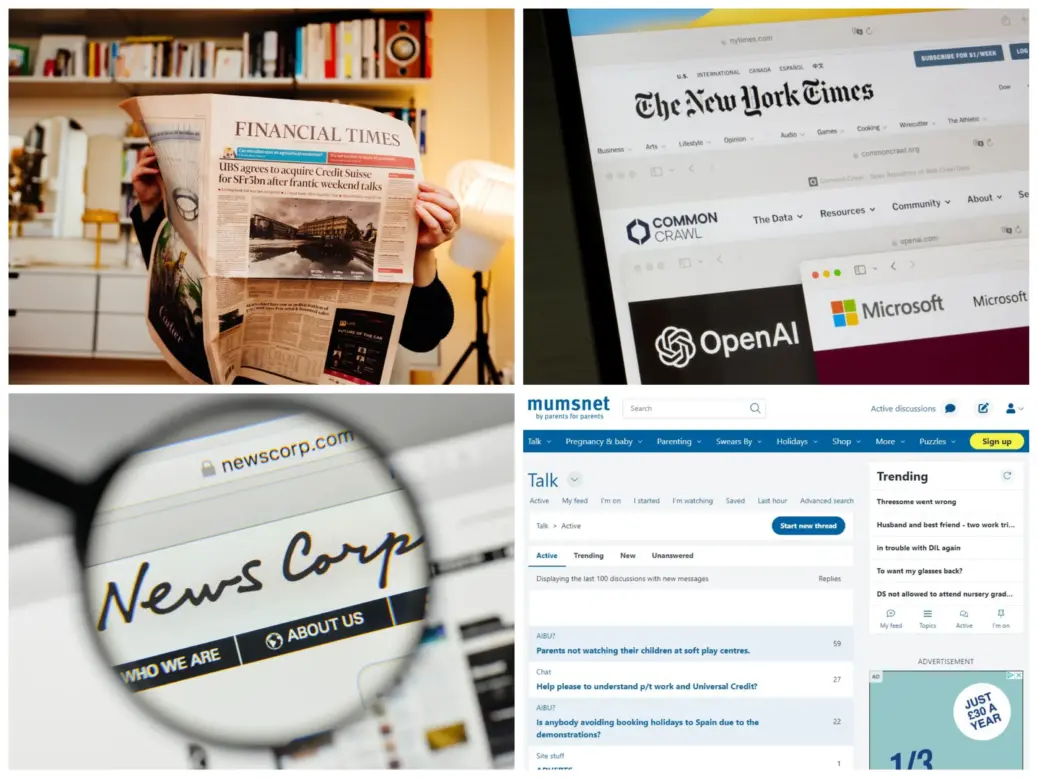
A coalition of Danish publishers has initiated legal action against OpenAI, alleging that the company used their content to train its AI models without permission. The lawsuit, filed in March 2026 by the Danish media body DPCMO, claims that OpenAI has been training its models on content from member publishers as far back as the summer of 2024 and that they were not given the opportunity to opt out until a text and data mining exception was introduced into Danish law in 2023.
DPCMO stated that it had attempted to engage OpenAI in constructive negotiations to ensure compliance with Danish copyright law and to establish a fair exchange of value. Despite these efforts, the organization claims that OpenAI declined meaningful discussions, leaving legal proceedings as the only viable option. The case is framed as a broader issue regarding the coexistence of artificial intelligence and independent journalism.
Several prominent news publishers have taken similar steps in the United States. For instance, on December 5, 2025, The New York Times filed a lawsuit against the AI company Perplexity, alleging that it used the newspaper’s journalism to deliver content to its customers without permission or compensation. A spokesperson for The New York Times highlighted that Perplexity’s practices undermine their subscription model by retrieving content that should only be available to paying subscribers.
In a related case, the Chicago Tribune also sued Perplexity, claiming that the AI firm unlawfully copied millions of its copyrighted stories and other content for its chatbot and applications. The lawsuit asserts that Perplexity’s actions not only violate copyright but also harm the Tribune’s brand by generating misleading or fabricated outputs associated with its name.
The legal landscape surrounding AI and copyright is rapidly evolving. On November 26, 2025, US News & World Report filed a lawsuit against OpenAI, stating that its business had been materially harmed by the unauthorized use of its website content for training purposes. The lawsuit claims that OpenAI’s actions divert traffic away from the publisher, adversely affecting its advertising and subscription revenues.
While some publishers are pursuing legal action, others are opting for licensing agreements with AI companies. For instance, numerous publishers have signed deals with OpenAI and other firms, allowing their content to be used for AI training in exchange for compensation. OpenAI has reportedly offered between $1 million and $5 million per year to various news organizations for licensing their copyrighted material. Notably, News Corp has secured a deal valued at over $250 million for five years.
As the industry navigates these challenges, publishers are increasingly vocal about the need for fair compensation. DPCMO emphasized that the current legal action is about more than just a single dispute; it highlights the fundamental conditions necessary for a sustainable future for journalism in the age of AI.
The situation continues to develop, with both legal battles and licensing agreements unfolding across the globe. As the media landscape adapts to the growing influence of AI technology, the outcomes of these lawsuits could set important precedents for copyright and content usage in the digital age.









Belfast Gears Up for Vibrant St Patrick’s Day Parade on March 17

Cuba Faces Nationwide Blackout Amid Deepening Energy Crisis

Wirral Council to Restructure Leadership, Cutting Two Top Roles

Rethinking Resistance Training: Key Insights from US Experts

EU Membership on the Horizon: What It Means for Citizens

Ukrainian Drone Swarms Strike Moscow Region for Second Day

Henley Launches Innovative Initiative to Boost Local Economy

Court Ruling Allows Pandemic Tax Refund Claims Until 2026

Sean Penn’s Absence at 2026 Oscars Sparks Discussion

Coronation Street’s Shocking Murder Twist Reveals Family Secrets

Andrew Pierce Confirms Departure from ITV’s Good Morning Britain

Katie Price Faces New Health Concerns After Cancer Symptoms Resurface

Sue Radford Reveals Weight Loss Journey, Shedding 12–13 kg

Kate Garraway Sells £2 Million Home Amid Financial Struggles

Jordan Brook Faces Health Crisis in Hospital as Sophie Kasaei Stays Away

EastEnders’ Nicola Mitchell Faces Unexpected Pregnancy Crisis

Bailey Announces Heartbreaking Split from Rebecca After Reunion

Ann Ming Reflects on ITV’s ‘I Fought the Law’ Drama
-
 World4 months ago
Coronation Street’s Shocking Murder Twist Reveals Family Secrets
-
 Entertainment4 months ago
Andrew Pierce Confirms Departure from ITV’s Good Morning Britain
-
 Health7 months ago
Katie Price Faces New Health Concerns After Cancer Symptoms Resurface
-
 Health2 months ago
Sue Radford Reveals Weight Loss Journey, Shedding 12–13 kg
-
 Entertainment8 months ago
Kate Garraway Sells £2 Million Home Amid Financial Struggles
-
 Entertainment2 weeks ago
Jordan Brook Faces Health Crisis in Hospital as Sophie Kasaei Stays Away
-
 World5 months ago
EastEnders’ Nicola Mitchell Faces Unexpected Pregnancy Crisis
-
 World4 months ago
Bailey Announces Heartbreaking Split from Rebecca After Reunion
-
 Entertainment7 months ago
Ann Ming Reflects on ITV’s ‘I Fought the Law’ Drama
-

 Entertainment2 months ago
Selena Gomez’s Name Linked to Epstein: Examining the Claims
-

 Health7 months ago
TOWIE Stars Sophie Kasaei and Jordan Brook Pursue Fertility Treatment
-

 Health7 months ago
Fiona Phillips’ Husband Shares Heartbreaking Update on Her Health