
Top Stories
Undiagnosed ADHD in Girls: Key Signs Parents Should Know

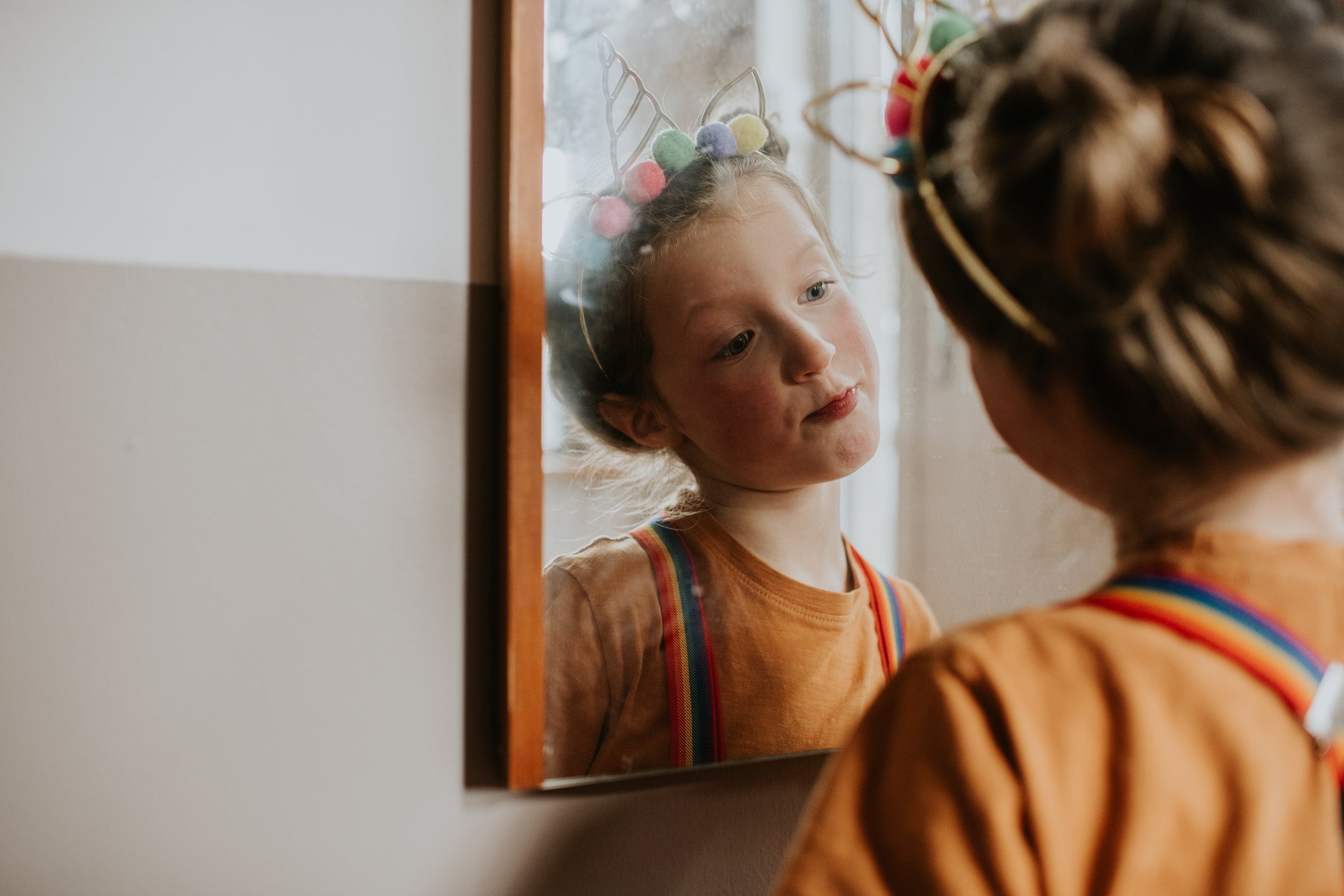
Approximately 700,000 children in the UK are affected by attention deficit hyperactivity disorder (ADHD), a condition that has seen a significant rise in diagnoses over the past two decades. Experts attribute this increase to greater awareness, yet symptoms can remain unnoticed, particularly in girls. If left undiagnosed, ADHD can severely impact a girl’s self-esteem and mental health.
Research from the Child Mind Institute indicates that girls with ADHD often internalize their struggles, leading to higher rates of depression, anxiety, and eating disorders. This underscores the importance of early diagnosis and intervention.
Inattentiveness: A Common Sign in Girls
While ADHD is frequently associated with hyperactivity, many may overlook its presentation as inattentiveness, particularly in girls. Mark Pattison, CEO and Founder of Care ADHD, explains that girls may appear distracted, forgetful, or disorganized. These symptoms can lead to feelings of being overwhelmed and contribute to low self-esteem.
Pattison notes how inattentiveness manifests in girls: “They may seem to drift off during conversations or struggle to start or finish tasks.” This subtlety makes ADHD less visible at home and in educational settings, increasing the risk of underdiagnosis.
Hyperactivity Presents Differently in Females
For girls who exhibit hyperactive tendencies, the symptoms can also differ from the stereotypical image of hyperactivity. Pattison points out that hyperactivity may manifest as fidgeting, excessive talking, or interrupting, rather than overtly disruptive behavior. Many girls experience a sense of inner restlessness and a racing mind filled with thoughts.
Because these behaviors are less likely to disrupt others, they often go unnoticed. “Their efforts to mask symptoms can lead to perfectionism, making it even harder to recognize ADHD,” Pattison adds.
Dr. Kenneth Lee, a specialist in child ADHD at the London Psychiatry Clinic, emphasizes that attention difficulties typically emerge in early childhood. These challenges may become more apparent during secondary school, where academic and social pressures increase.
For parents who suspect their daughter may have undiagnosed ADHD, Pattison recommends initiating an open dialogue about her experiences. Observing daily patterns and discussing challenges with teachers can provide valuable insights. Consulting a general practitioner for an ADHD assessment is also advised.
Establishing supportive routines at home can help mitigate stress and protect a child’s self-esteem while waiting for a professional evaluation.
Recognizing the signs of ADHD in girls is crucial for ensuring they receive the support they need. Increased awareness and understanding can make a significant difference in their lives, promoting healthier self-perceptions and emotional well-being.
For those seeking help, resources such as Mind, Samaritans, CALM, The Mix, and Rethink Mental Illness offer support services in the UK. These organizations provide essential assistance to individuals facing mental health challenges, including ADHD.
Awareness and education about ADHD can empower parents, educators, and healthcare professionals to better support girls as they navigate their unique challenges.








Oxford Launches Motherlabs to Empower Start-ups with New Labs

Audi and Cadillac Face Challenges After Barcelona F1 Shakedown

Funeral Procession for Convicted Offender Sparks Controversy

Build a Monthly Income: Five Stocks for Consistent Dividends

Build a Monthly Income with This 5-Stock Portfolio

Steve Vai and Devin Townsend Reflect on Their Musical Journey

Nutrition Experts Advocate for Fibrelayering Over Fibremaxxing

Grandfather’s Unintentional Confession Unveils Family Mafia Ties

Rising Trade Opportunities Make Parents Rethink University

Coronation Street’s Shocking Murder Twist Reveals Family Secrets

Andrew Pierce Confirms Departure from ITV’s Good Morning Britain

Katie Price Faces New Health Concerns After Cancer Symptoms Resurface

Sue Radford Reveals Weight Loss Journey, Shedding 12–13 kg

Kate Garraway Sells £2 Million Home Amid Financial Struggles

Ann Ming Reflects on ITV’s ‘I Fought the Law’ Drama

Bailey Announces Heartbreaking Split from Rebecca After Reunion

David Jason and Nicholas Lyndhurst Eye Reunion for Only Fools Anniversary

Coronation Street Fans React as Todd Faces Heartbreaking Choice
-
 World2 months ago
Coronation Street’s Shocking Murder Twist Reveals Family Secrets
-
 Entertainment2 months ago
Andrew Pierce Confirms Departure from ITV’s Good Morning Britain
-
 Health5 months ago
Katie Price Faces New Health Concerns After Cancer Symptoms Resurface
-
 Health2 weeks ago
Sue Radford Reveals Weight Loss Journey, Shedding 12–13 kg
-
 Entertainment6 months ago
Kate Garraway Sells £2 Million Home Amid Financial Struggles
-
 Entertainment5 months ago
Ann Ming Reflects on ITV’s ‘I Fought the Law’ Drama
-
 World3 months ago
Bailey Announces Heartbreaking Split from Rebecca After Reunion
-
 Entertainment2 months ago
David Jason and Nicholas Lyndhurst Eye Reunion for Only Fools Anniversary
-
 Entertainment3 months ago
Coronation Street Fans React as Todd Faces Heartbreaking Choice
-

 World3 months ago
EastEnders’ Nicola Mitchell Faces Unexpected Pregnancy Crisis
-

 Entertainment2 months ago
Bradley Walsh Sparks Strictly Come Dancing Hosting Speculation
-

 Entertainment2 months ago
Two Stars Evicted from I’m A Celebrity Just Days Before Finale