
Top Stories
Progressive Alliance Could Challenge Reform’s Dominance in Elections

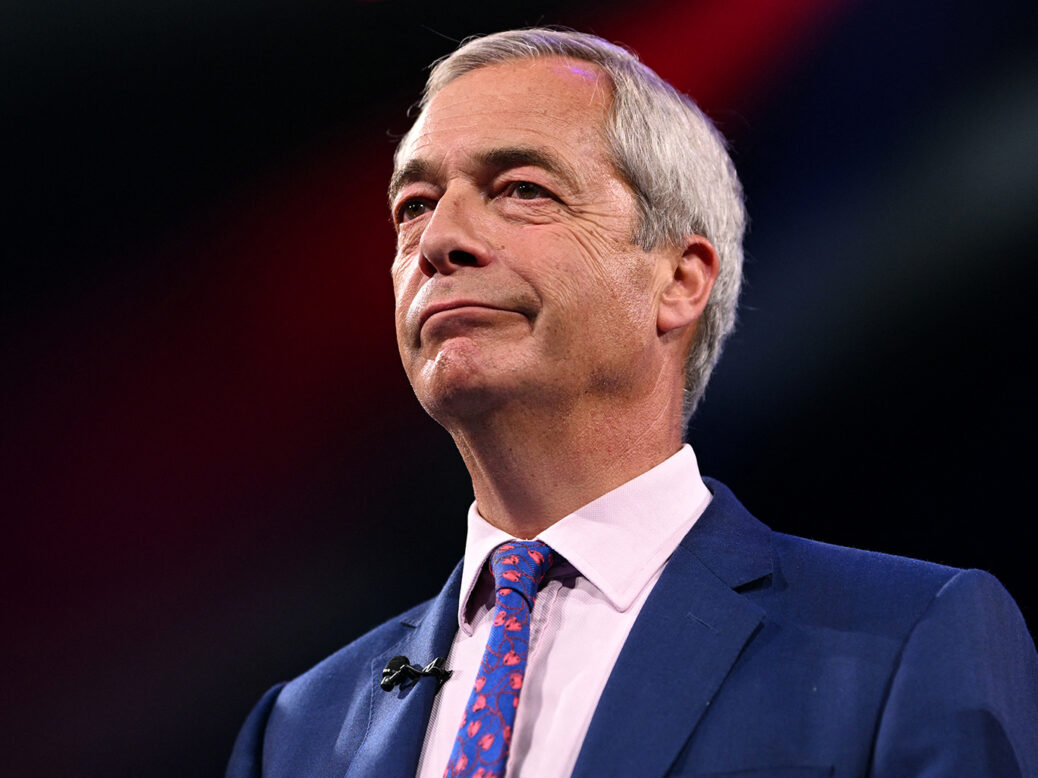
Polls indicate that if a general election were held today, Nigel Farage would emerge as the next Prime Minister, with his party, Reform, leading by over ten points against both Labour and the Conservatives. The party currently holds approximately 29 percent of voter support, which, while substantial, also reveals its vulnerability to a strategic alliance of progressive voters. Recent research from More in Common suggests that tactical voting could significantly disrupt Reform’s prospects.
In the recent by-election for Caerphilly, Reform garnered 36 percent of the vote, a figure consistent with predictions. However, unexpected tactical voting for Plaid Cymru absorbed much of the Labour vote, enabling the Welsh nationalist party to secure a victory against Reform. If this pattern were to replicate on a national scale, it could potentially prevent Reform from achieving a majority in the House of Commons.
According to the findings from More in Common, if 60 percent of progressive voters coordinated their votes, a coalition of progressive parties could secure a majority. Although this scenario appears challenging, it represents a pivotal opportunity for change. The research indicates that if substantial tactical voting occurs, it could mark a significant shift in British electoral politics, potentially leading to discussions around electoral reform.
The dynamics of tactical voting have been observed in previous elections and by-elections, suggesting that a degree of national tactical voting is likely by 2029. However, the scale of cooperation required, as proposed by More in Common, would be unprecedented. This would necessitate over six in ten progressives to support parties outside their preferred choice, a formidable challenge given the current political climate.
Voter loyalty to specific parties is declining. Many voters express dissatisfaction with both main parties’ ability to manage the economy. Recent trends show that almost 60 percent of voters do not trust either Labour or the Conservatives. This growing disillusionment has led to increased tactical voting, particularly benefiting smaller parties like the Liberal Democrats.
Despite Labour’s position as the largest progressive party in England, it faces considerable challenges. The party’s brand has become increasingly associated with negativity, deterring many from voting for it tactically. For instance, Green Party supporters are among the least likely to support Labour, with the proportion of Green voters willing to back Labour in a hypothetical contest against Reform dropping from 55 percent at the start of 2025 to just 46 percent now.
Labour does fare somewhat better with Liberal Democrats, as 57 percent of Lib Dem voters would prefer Labour over Reform. Nonetheless, the current state of Labour may not attract enough progressive voters to effectively counter Reform’s influence. The rise of the Green Party under the leadership of Zack Polanski is likely to exacerbate this situation, as the party’s increasing popularity could amplify progressive discontent with Labour.
In past elections, the Greens have attempted to position themselves against Reform, as evidenced in the Runcorn and Helsby by-election, where they distributed numerous leaflets framing the contest as “us vs Reform,” ultimately finishing in fourth place. Additionally, there is a discrepancy between voter intentions expressed in polls and actual voter turnout, which may lead to inflated estimates for tactical voting.
For the progressive alliance to succeed against Reform, two critical factors must be addressed. First, progressive voters need clarity on which party represents their interests best, a challenge complicated by Labour’s current standing in the opinion polls. Second, Labour must improve its image among its left-leaning constituents. The party’s capacity to navigate these hurdles will be pivotal in shaping its prospects in upcoming elections.
As the political landscape evolves, the New Year brings with it significant challenges for Sir Keir Starmer and Labour. The path forward requires not only strategic thinking but also a willingness to adapt in response to the shifting sentiments among voters.












Nutrition Experts Advocate for Fibrelayering Over Fibremaxxing

Grandfather’s Unintentional Confession Unveils Family Mafia Ties

Rising Trade Opportunities Make Parents Rethink University

NASA’s SPHEREx Captures Stunning Flare from Comet 3I/ATLAS

Portsmouth Boss Hints at Injury Returns Ahead of Sheffield Clash

Octopus Energy Reveals Ideal Thermostat Settings for Savings

Emirates Set to Maintain Largest Boeing Widebody Fleet by 2026

Emirates Set to Dominate Boeing Widebody Market in 2026

Arc Raiders Developer Confirms Rotation of Map Conditions Will Continue

Coronation Street’s Shocking Murder Twist Reveals Family Secrets

Andrew Pierce Confirms Departure from ITV’s Good Morning Britain

Katie Price Faces New Health Concerns After Cancer Symptoms Resurface

Sue Radford Reveals Weight Loss Journey, Shedding 12–13 kg

Kate Garraway Sells £2 Million Home Amid Financial Struggles

Ann Ming Reflects on ITV’s ‘I Fought the Law’ Drama

Bailey Announces Heartbreaking Split from Rebecca After Reunion

David Jason and Nicholas Lyndhurst Eye Reunion for Only Fools Anniversary

Coronation Street Fans React as Todd Faces Heartbreaking Choice
-
 World2 months ago
Coronation Street’s Shocking Murder Twist Reveals Family Secrets
-
 Entertainment2 months ago
Andrew Pierce Confirms Departure from ITV’s Good Morning Britain
-
 Health5 months ago
Katie Price Faces New Health Concerns After Cancer Symptoms Resurface
-
 Health2 weeks ago
Sue Radford Reveals Weight Loss Journey, Shedding 12–13 kg
-
 Entertainment6 months ago
Kate Garraway Sells £2 Million Home Amid Financial Struggles
-
 Entertainment5 months ago
Ann Ming Reflects on ITV’s ‘I Fought the Law’ Drama
-
 World3 months ago
Bailey Announces Heartbreaking Split from Rebecca After Reunion
-
 Entertainment2 months ago
David Jason and Nicholas Lyndhurst Eye Reunion for Only Fools Anniversary
-
 Entertainment3 months ago
Coronation Street Fans React as Todd Faces Heartbreaking Choice
-

 World3 months ago
EastEnders’ Nicola Mitchell Faces Unexpected Pregnancy Crisis
-

 Entertainment2 months ago
Bradley Walsh Sparks Strictly Come Dancing Hosting Speculation
-

 Entertainment2 months ago
Two Stars Evicted from I’m A Celebrity Just Days Before Finale