
Top Stories
Confronting Generational Trauma: Insights from Nataxa Ruzafa

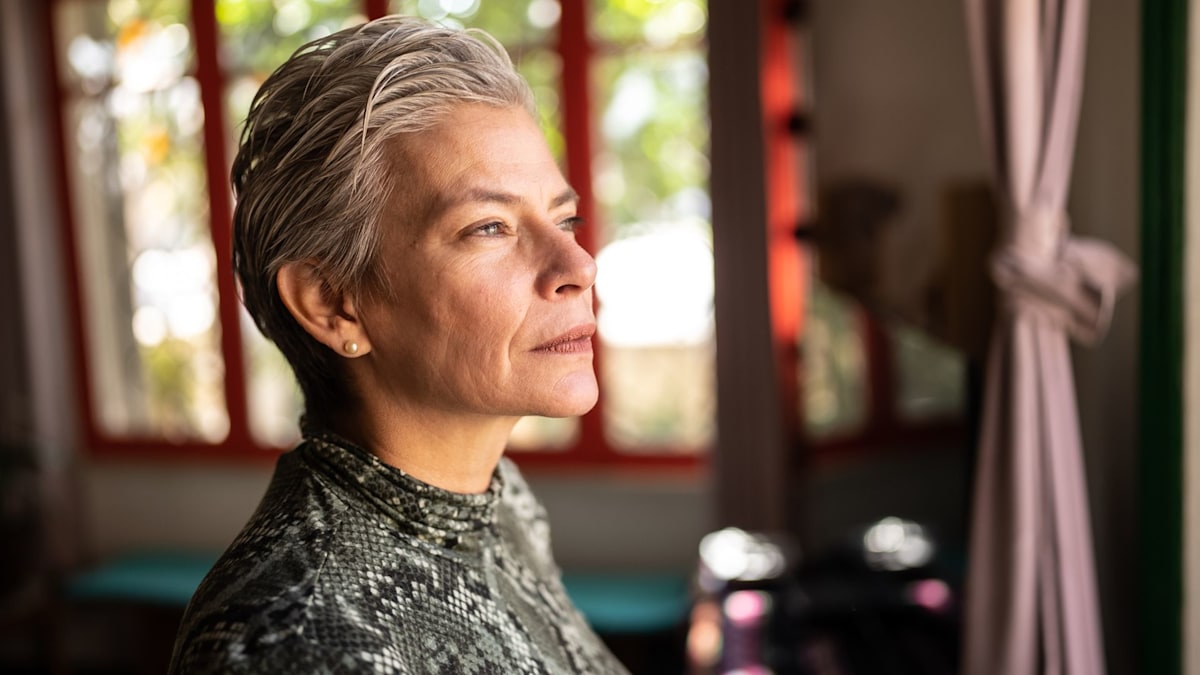
The question “When will I finally be enough?” resonates with many individuals burdened by the expectations of family and society. This sense of inadequacy often stems from unresolved emotional issues passed down through generations. According to psychologist and author Nataxa Ruzafa, understanding and addressing these deep-rooted patterns is crucial for personal healing and growth.
In a recent discussion, Ruzafa highlighted the concept of generational trauma, which refers to the emotional scars inherited from previous generations. She noted that just as families pass down stories, they also transmit emotional wounds and unhealthy relational patterns. Ruzafa emphasized that this legacy does not have to dictate one’s life. Healing is possible through awareness and the establishment of healthier connections.
Identifying Inherited Patterns
Ruzafa suggests that the first step toward healing involves reflection. Individuals can begin by asking themselves critical questions: Do you find yourself reacting in ways reminiscent of family members during stressful situations? Is it challenging to express certain emotions due to family dynamics? Identifying these patterns is vital, and while therapy can be beneficial, self-awareness is a powerful tool.
Many people experience guilt or fear when setting boundaries with family, a reaction rooted deeply in psychological and cultural conditioning. Ruzafa explains that prioritizing one’s well-being is not selfish but rather an act of self-respect. Setting boundaries can help protect emotional peace without necessarily severing family ties.
Compassion and Self-Reflection
Healing the inner child involves looking at past experiences with compassion rather than erasing them. Ruzafa encourages individuals to reconnect with their inner child and validate their emotions. Tools like letter writing can aid in reshaping limiting beliefs and fostering understanding.
Self-judgment often emerges from these emotional wounds, leading individuals to dismiss their feelings as excessive. Ruzafa insists that everyone is inherently “enough,” but societal and familial expectations can cloud this truth. Shifting from a critical inner dialogue to one of understanding can significantly change the way individuals perceive themselves and their relationships.
Even with ongoing personal development, it is common to revert to old patterns during moments of vulnerability. Ruzafa highlights the importance of awareness in these situations. Recognizing slip-ups, understanding their origins, and committing to growth is essential for breaking the cycle of generational trauma.
The Path Forward
Discussing past experiences is vital for understanding oneself and processing inherited burdens. Family relationships are complex and often influenced by historical dynamics. Ruzafa points out that therapy can provide a safe space for this exploration, but it is not always necessary to confront family members directly to achieve healing.
For those with challenging childhoods, expressing feelings to responsible figures can be tempting. However, Ruzafa advises doing this from a place of maturity, using assertive communication to convey one’s truths.
Ultimately, emotional management should be a continuous thread throughout life. Individuals must identify the sources of their feelings of inadequacy and learn to prioritize self-care. Surrounding oneself with supportive people is crucial for rebuilding a positive self-image.
Feeling “not good enough” is a restrictive mindset that can undermine self-worth, often tying it to external achievements. Ruzafa underscores that while one cannot change the past, they can “reparent” their inner child, fostering a secure and healthy relationship with themselves.
In her book, When Will I Be Enough?, Ruzafa emphasizes that everyone deserves to feel secure and valued. Through understanding and compassion, individuals can break free from the chains of generational trauma and embrace a more fulfilling life.











Belfast Gears Up for Vibrant St Patrick’s Day Parade on March 17

Cuba Faces Nationwide Blackout Amid Deepening Energy Crisis

Wirral Council to Restructure Leadership, Cutting Two Top Roles

Rethinking Resistance Training: Key Insights from US Experts

EU Membership on the Horizon: What It Means for Citizens

Ukrainian Drone Swarms Strike Moscow Region for Second Day

Henley Launches Innovative Initiative to Boost Local Economy

Court Ruling Allows Pandemic Tax Refund Claims Until 2026

Sean Penn’s Absence at 2026 Oscars Sparks Discussion

Coronation Street’s Shocking Murder Twist Reveals Family Secrets

Andrew Pierce Confirms Departure from ITV’s Good Morning Britain

Katie Price Faces New Health Concerns After Cancer Symptoms Resurface

Sue Radford Reveals Weight Loss Journey, Shedding 12–13 kg

Kate Garraway Sells £2 Million Home Amid Financial Struggles

Jordan Brook Faces Health Crisis in Hospital as Sophie Kasaei Stays Away

EastEnders’ Nicola Mitchell Faces Unexpected Pregnancy Crisis

Bailey Announces Heartbreaking Split from Rebecca After Reunion

Ann Ming Reflects on ITV’s ‘I Fought the Law’ Drama
-
 World4 months ago
Coronation Street’s Shocking Murder Twist Reveals Family Secrets
-
 Entertainment4 months ago
Andrew Pierce Confirms Departure from ITV’s Good Morning Britain
-
 Health7 months ago
Katie Price Faces New Health Concerns After Cancer Symptoms Resurface
-
 Health2 months ago
Sue Radford Reveals Weight Loss Journey, Shedding 12–13 kg
-
 Entertainment8 months ago
Kate Garraway Sells £2 Million Home Amid Financial Struggles
-
 Entertainment3 weeks ago
Jordan Brook Faces Health Crisis in Hospital as Sophie Kasaei Stays Away
-
 World5 months ago
EastEnders’ Nicola Mitchell Faces Unexpected Pregnancy Crisis
-
 World5 months ago
Bailey Announces Heartbreaking Split from Rebecca After Reunion
-
 Entertainment7 months ago
Ann Ming Reflects on ITV’s ‘I Fought the Law’ Drama
-

 Entertainment2 months ago
Selena Gomez’s Name Linked to Epstein: Examining the Claims
-

 Health7 months ago
TOWIE Stars Sophie Kasaei and Jordan Brook Pursue Fertility Treatment
-

 Health7 months ago
Fiona Phillips’ Husband Shares Heartbreaking Update on Her Health