
Politics
European Nations Reinforce Military Service Amid Rising Tensions

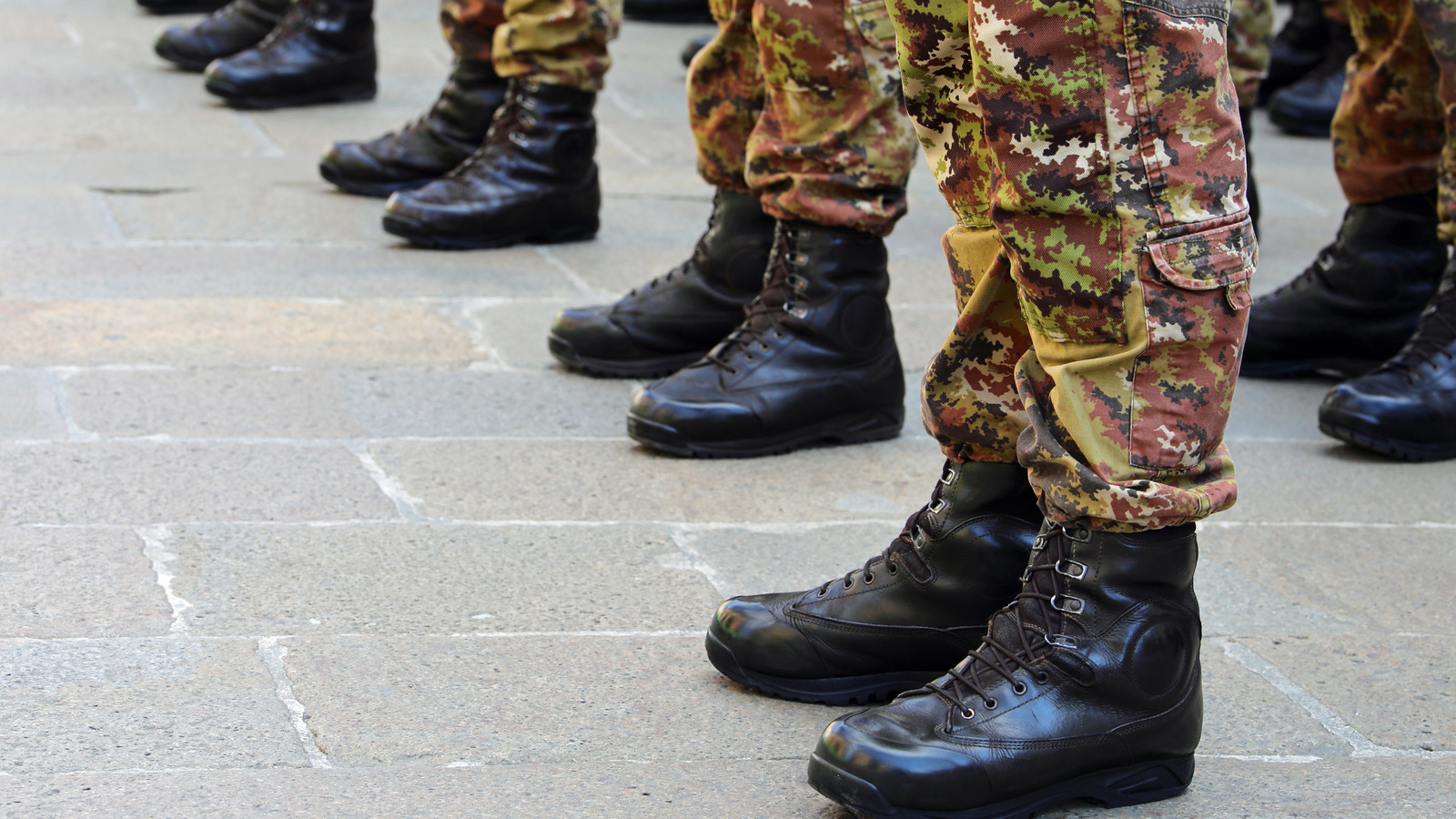
Mandatory military service has been a topic of discussion across Europe as several countries continue to uphold conscription amid evolving geopolitical landscapes. While the United States ended its draft in January 1973, many European nations are reaffirming their commitment to compulsory military service, citing national security concerns and historical precedents.
Countries with Active Military Conscription
Among NATO member states, nine countries enforce mandatory military service. These include Greece, Turkey, and Norway, alongside others such as Denmark, Estonia, Finland, Latvia, and Lithuania. Notably, Croatia is set to reintroduce mandatory military service in 2024. Each of these countries implements conscription in varying formats, ranging from a few months of training to longer service periods.
In the Nordic region, countries like Norway, Denmark, and Finland maintain their conscription programs, reflecting traditions that some view as vital for civic responsibility. Sweden reinstated conscription in 2017 due to a perceived shift in security dynamics, allowing citizens to opt for civilian service as part of its “total defence duty” scheme. Similarly, Lithuania and Latvia have reintroduced military service in response to ongoing regional tensions.
Non-NATO European countries also practice conscription. Austria and Switzerland, both neutral states, uphold mandatory military service, while Cyprus continues to implement conscription against a backdrop of regional tensions. Belarus and Moldova also rely on conscripted forces, with Belarus conscripts serving for 18 months.
Variations in Conscription Models
The methods of selection and duration of service differ significantly across Europe. Countries typically fall into three categories regarding military conscription.
In a universal mandatory system, military service applies to nearly all eligible individuals, as seen in Finland, where males aged 18 to 60 are liable for compulsory military or civil service.
Others employ a lottery system; Denmark and Lithuania, for example, prioritize volunteers before selecting additional conscripts through a lottery mechanism. Latvia has recently reintroduced conscription, initially on a voluntary basis, but now uses a lottery to address shortfalls in volunteer numbers. To encourage enlistment, Latvia offers double pay for volunteers compared to conscripts.
A third model is selective compulsory service, as practiced in Sweden and Norway. In these countries, while there is a legal obligation to serve, only a small group is chosen based on health, aptitude, and motivation.
Gender policies also vary widely across different nations. Norway and Sweden feature gender-neutral conscription, applying to both men and women. Conversely, in places like Latvia and Finland, while women may volunteer for military service, they are not subject to the draft.
As European countries navigate the complexities of military service in the current global context, the ongoing debate about the necessity and effectiveness of conscription will likely persist. With tensions rising in various regions, the implications of these policies on national security and civic duty remain critical considerations for policymakers across the continent.












Oxford Launches Motherlabs to Empower Start-ups with New Labs

Audi and Cadillac Face Challenges After Barcelona F1 Shakedown

Funeral Procession for Convicted Offender Sparks Controversy

Build a Monthly Income: Five Stocks for Consistent Dividends

Build a Monthly Income with This 5-Stock Portfolio

Steve Vai and Devin Townsend Reflect on Their Musical Journey

Nutrition Experts Advocate for Fibrelayering Over Fibremaxxing

Grandfather’s Unintentional Confession Unveils Family Mafia Ties

Rising Trade Opportunities Make Parents Rethink University

Coronation Street’s Shocking Murder Twist Reveals Family Secrets

Andrew Pierce Confirms Departure from ITV’s Good Morning Britain

Katie Price Faces New Health Concerns After Cancer Symptoms Resurface

Sue Radford Reveals Weight Loss Journey, Shedding 12–13 kg

Kate Garraway Sells £2 Million Home Amid Financial Struggles

Ann Ming Reflects on ITV’s ‘I Fought the Law’ Drama

Bailey Announces Heartbreaking Split from Rebecca After Reunion

David Jason and Nicholas Lyndhurst Eye Reunion for Only Fools Anniversary

Coronation Street Fans React as Todd Faces Heartbreaking Choice
-
 World2 months ago
Coronation Street’s Shocking Murder Twist Reveals Family Secrets
-
 Entertainment2 months ago
Andrew Pierce Confirms Departure from ITV’s Good Morning Britain
-
 Health5 months ago
Katie Price Faces New Health Concerns After Cancer Symptoms Resurface
-
 Health2 weeks ago
Sue Radford Reveals Weight Loss Journey, Shedding 12–13 kg
-
 Entertainment6 months ago
Kate Garraway Sells £2 Million Home Amid Financial Struggles
-
 Entertainment5 months ago
Ann Ming Reflects on ITV’s ‘I Fought the Law’ Drama
-
 World3 months ago
Bailey Announces Heartbreaking Split from Rebecca After Reunion
-
 Entertainment2 months ago
David Jason and Nicholas Lyndhurst Eye Reunion for Only Fools Anniversary
-
 Entertainment3 months ago
Coronation Street Fans React as Todd Faces Heartbreaking Choice
-

 World3 months ago
EastEnders’ Nicola Mitchell Faces Unexpected Pregnancy Crisis
-

 Entertainment2 months ago
Bradley Walsh Sparks Strictly Come Dancing Hosting Speculation
-

 Entertainment2 months ago
Two Stars Evicted from I’m A Celebrity Just Days Before Finale