
Health
Study Reveals 1 in 20 Over-50s in Northern Ireland Suffer PTSD

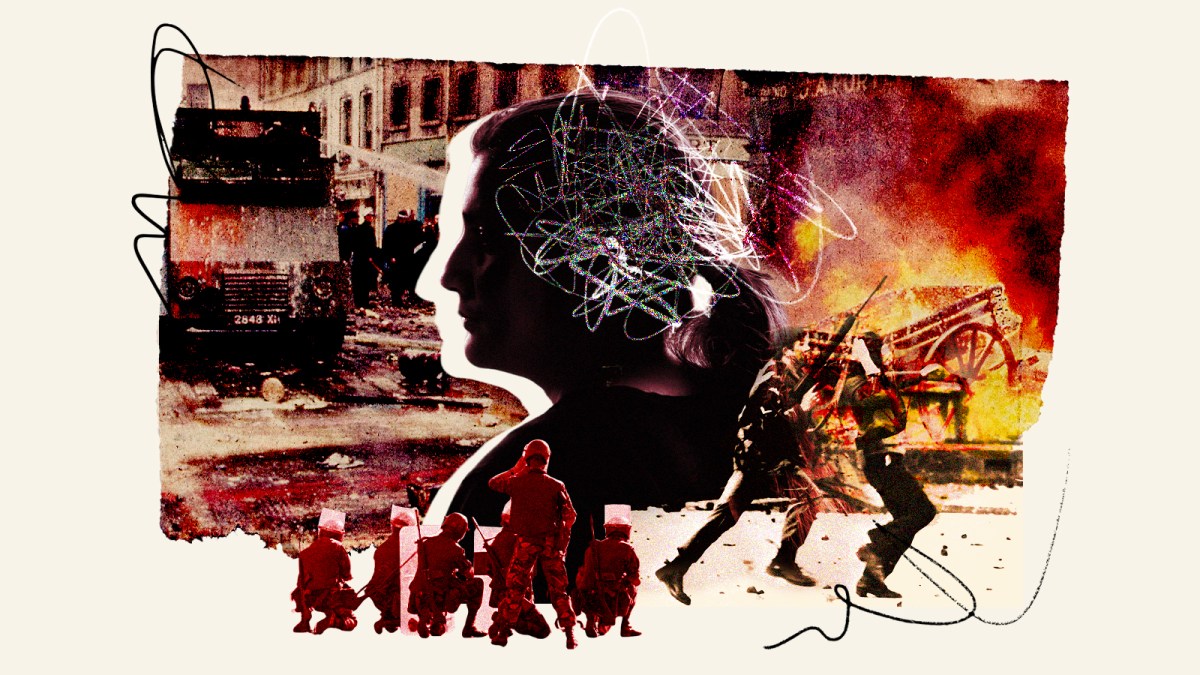
A recent study has found that nearly one in 20 individuals aged over 50 in Northern Ireland are currently living with post-traumatic stress disorder (PTSD). Conducted by researchers from Queen’s University Belfast and Trinity College Dublin, the study highlights the long-lasting impact of the Troubles, with approximately 60 percent of participants identifying this period as their most significant traumatic experience, despite the conflict concluding more than 25 years ago.
The research involved an analysis of data from 2,142 adults who participated in the Northern Ireland Cohort for the Longitudinal Study of Ageing (Nicola). The findings emphasize the enduring psychological effects of the civil conflict on older adults, suggesting a pressing need for mental health support targeted at this demographic.
Long-term Consequences of Conflict Trauma
The study underscores a critical public health issue. The authors stated, “Given the global escalation of armed conflicts and the disproportionate burden borne by civilians in modern hybrid warfare, understanding the long-term neurocognitive consequences of conflict-related trauma is a pressing public health priority.” This statement reflects concerns not only for those directly affected by the Troubles but also for populations worldwide facing similar challenges in the wake of ongoing conflicts.
The prevalence of PTSD among older populations in Northern Ireland calls for comprehensive mental health strategies that address the unique needs of this age group. The researchers advocate for increased awareness and resources to support individuals grappling with the psychological remnants of past violence.
Implications for Mental Health Policy
As the findings reveal the significant percentage of older adults suffering from PTSD, they highlight the necessity for policy changes in mental health services. The long-term impact of trauma can affect various aspects of life, including physical health, social relationships, and overall well-being. Mental health professionals are encouraged to integrate trauma-informed care approaches into their practices, particularly when engaging with older populations.
This study adds to the growing body of evidence regarding the effects of historical conflicts on mental health. It urges stakeholders, including health policymakers and community organizations, to prioritize mental health initiatives that cater specifically to older adults who have experienced significant trauma in their lives.
Addressing PTSD in this demographic is not merely a matter of individual health; it is also a broader societal concern. The legacy of the Troubles continues to shape the lives of many, and understanding these long-term effects is crucial for fostering healing and resilience within communities still affected by the scars of the past.













Belfast Gears Up for Vibrant St Patrick’s Day Parade on March 17

Cuba Faces Nationwide Blackout Amid Deepening Energy Crisis

Wirral Council to Restructure Leadership, Cutting Two Top Roles

Rethinking Resistance Training: Key Insights from US Experts

EU Membership on the Horizon: What It Means for Citizens

Ukrainian Drone Swarms Strike Moscow Region for Second Day

Henley Launches Innovative Initiative to Boost Local Economy

Court Ruling Allows Pandemic Tax Refund Claims Until 2026

Sean Penn’s Absence at 2026 Oscars Sparks Discussion

Coronation Street’s Shocking Murder Twist Reveals Family Secrets

Andrew Pierce Confirms Departure from ITV’s Good Morning Britain

Katie Price Faces New Health Concerns After Cancer Symptoms Resurface

Sue Radford Reveals Weight Loss Journey, Shedding 12–13 kg

Kate Garraway Sells £2 Million Home Amid Financial Struggles

Jordan Brook Faces Health Crisis in Hospital as Sophie Kasaei Stays Away

EastEnders’ Nicola Mitchell Faces Unexpected Pregnancy Crisis

Gyles Brandreth Shares Grandson’s Cancer Battle and Recovery

Bailey Announces Heartbreaking Split from Rebecca After Reunion
-
 World4 months ago
Coronation Street’s Shocking Murder Twist Reveals Family Secrets
-
 Entertainment4 months ago
Andrew Pierce Confirms Departure from ITV’s Good Morning Britain
-
 Health7 months ago
Katie Price Faces New Health Concerns After Cancer Symptoms Resurface
-
 Health3 months ago
Sue Radford Reveals Weight Loss Journey, Shedding 12–13 kg
-
 Entertainment9 months ago
Kate Garraway Sells £2 Million Home Amid Financial Struggles
-
 Entertainment1 month ago
Jordan Brook Faces Health Crisis in Hospital as Sophie Kasaei Stays Away
-
 World5 months ago
EastEnders’ Nicola Mitchell Faces Unexpected Pregnancy Crisis
-
 Health2 months ago
Gyles Brandreth Shares Grandson’s Cancer Battle and Recovery
-
 World5 months ago
Bailey Announces Heartbreaking Split from Rebecca After Reunion
-

 Entertainment8 months ago
Ann Ming Reflects on ITV’s ‘I Fought the Law’ Drama
-

 Entertainment2 months ago
Selena Gomez’s Name Linked to Epstein: Examining the Claims
-

 Health8 months ago
TOWIE Stars Sophie Kasaei and Jordan Brook Pursue Fertility Treatment