
Business
How Cabin Crew Combat Jet Lag After Long-Haul Flights

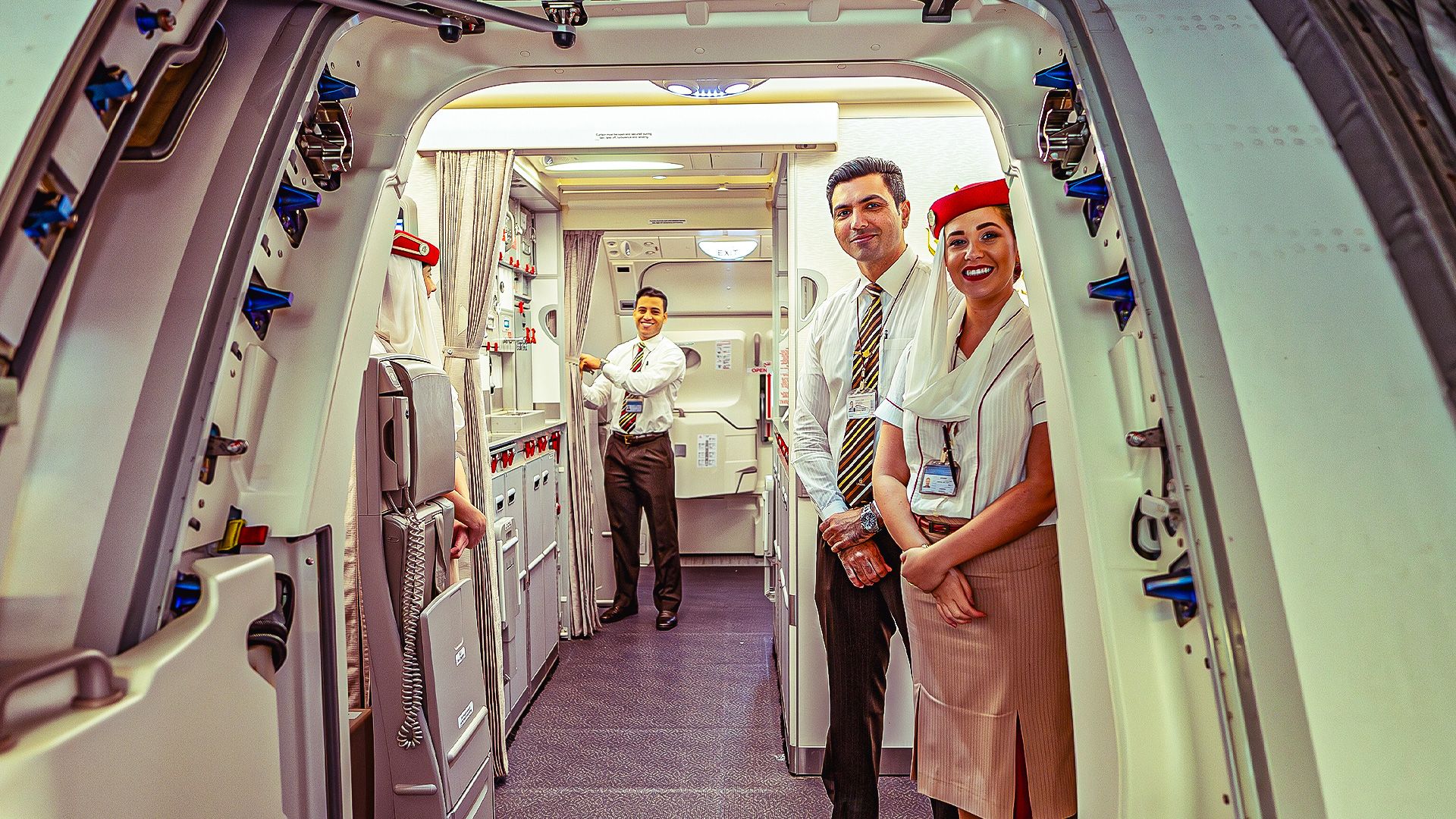
As airlines increasingly deploy new, more fuel-efficient aircraft for long-haul routes, cabin crew members are facing the reality of extended duties that can exceed 24 hours. With flights lasting over 20 hours, managing jet lag has become a significant concern for those working in the aviation industry. Understanding how cabin crew cope with the challenges of time zone changes provides insight into their rigorous profession.
Understanding Jet Lag and Its Effects
Jet lag occurs when the body’s internal clock, or circadian rhythm, is disrupted due to rapid travel across multiple time zones. Symptoms can range from fatigue and insomnia to difficulty concentrating and irritability. According to the Sleep Foundation, the severity of jet lag typically correlates with the number of time zones crossed. For cabin crew, who often fly across 10 or more zones, the impact can be pronounced.
To mitigate these effects, cabin crew members employ various strategies before, during, and after flights. The International Air Transport Association (IATA) emphasizes the importance of rest and recovery for crew members, recommending that airlines establish sufficient time off between long-haul shifts.
Practical Strategies for Managing Fatigue
One common approach among cabin crew is to shift their sleep patterns before a flight. By adjusting their sleep schedule gradually, they can align their body clocks closer to the destination’s time zone. This proactive measure can help ease the transition and reduce the severity of jet lag experienced after landing.
During flights, crew members often prioritize hydration and nutrition. Drinking ample water helps combat the dehydrating effects of cabin air, while consuming balanced meals can maintain energy levels. The IATA also recommends light exercise during layovers, as physical activity can promote better sleep and enhance overall well-being.
Post-flight, rest is paramount. Cabin crew typically have designated recovery periods, allowing them to recuperate before their next assignment. Many professionals emphasize the importance of quality sleep during this time. Utilizing sleep aids, such as eye masks and earplugs, can create a conducive environment for rest, particularly in unfamiliar hotel accommodations.
In addition to individual strategies, airlines are increasingly recognizing the importance of supporting their staff. Some carriers now provide wellness programs that include workshops on stress management, nutrition, and sleep hygiene. These initiatives aim to foster a healthier work environment and improve overall job satisfaction.
As the aviation industry continues to evolve with longer routes and innovative aircraft, the need for effective jet lag management remains critical for cabin crew. By employing a combination of pre-flight preparation, in-flight practices, and post-flight recovery strategies, these professionals strive to maintain their health and performance levels.
The ongoing development of policies focusing on crew wellness is essential, not only for the well-being of cabin crew but also for the safety and satisfaction of passengers. Understanding and addressing the challenges posed by long-haul flights will be crucial as the industry moves forward in a competitive landscape.








Belfast Gears Up for Vibrant St Patrick’s Day Parade on March 17

Cuba Faces Nationwide Blackout Amid Deepening Energy Crisis

Wirral Council to Restructure Leadership, Cutting Two Top Roles

Rethinking Resistance Training: Key Insights from US Experts

EU Membership on the Horizon: What It Means for Citizens

Ukrainian Drone Swarms Strike Moscow Region for Second Day

Henley Launches Innovative Initiative to Boost Local Economy

Court Ruling Allows Pandemic Tax Refund Claims Until 2026

Sean Penn’s Absence at 2026 Oscars Sparks Discussion

Coronation Street’s Shocking Murder Twist Reveals Family Secrets

Andrew Pierce Confirms Departure from ITV’s Good Morning Britain

Katie Price Faces New Health Concerns After Cancer Symptoms Resurface

Sue Radford Reveals Weight Loss Journey, Shedding 12–13 kg

Kate Garraway Sells £2 Million Home Amid Financial Struggles

Jordan Brook Faces Health Crisis in Hospital as Sophie Kasaei Stays Away

EastEnders’ Nicola Mitchell Faces Unexpected Pregnancy Crisis

Bailey Announces Heartbreaking Split from Rebecca After Reunion

Ann Ming Reflects on ITV’s ‘I Fought the Law’ Drama
-
 World4 months ago
Coronation Street’s Shocking Murder Twist Reveals Family Secrets
-
 Entertainment4 months ago
Andrew Pierce Confirms Departure from ITV’s Good Morning Britain
-
 Health7 months ago
Katie Price Faces New Health Concerns After Cancer Symptoms Resurface
-
 Health3 months ago
Sue Radford Reveals Weight Loss Journey, Shedding 12–13 kg
-
 Entertainment8 months ago
Kate Garraway Sells £2 Million Home Amid Financial Struggles
-
 Entertainment4 weeks ago
Jordan Brook Faces Health Crisis in Hospital as Sophie Kasaei Stays Away
-
 World5 months ago
EastEnders’ Nicola Mitchell Faces Unexpected Pregnancy Crisis
-
 World5 months ago
Bailey Announces Heartbreaking Split from Rebecca After Reunion
-
 Entertainment7 months ago
Ann Ming Reflects on ITV’s ‘I Fought the Law’ Drama
-

 Entertainment2 months ago
Selena Gomez’s Name Linked to Epstein: Examining the Claims
-

 Health7 months ago
TOWIE Stars Sophie Kasaei and Jordan Brook Pursue Fertility Treatment
-

 Health8 months ago
Fiona Phillips’ Husband Shares Heartbreaking Update on Her Health