
Entertainment
Richard Gere’s 1993 Oscars Speech Sparks Two-Decade Ban

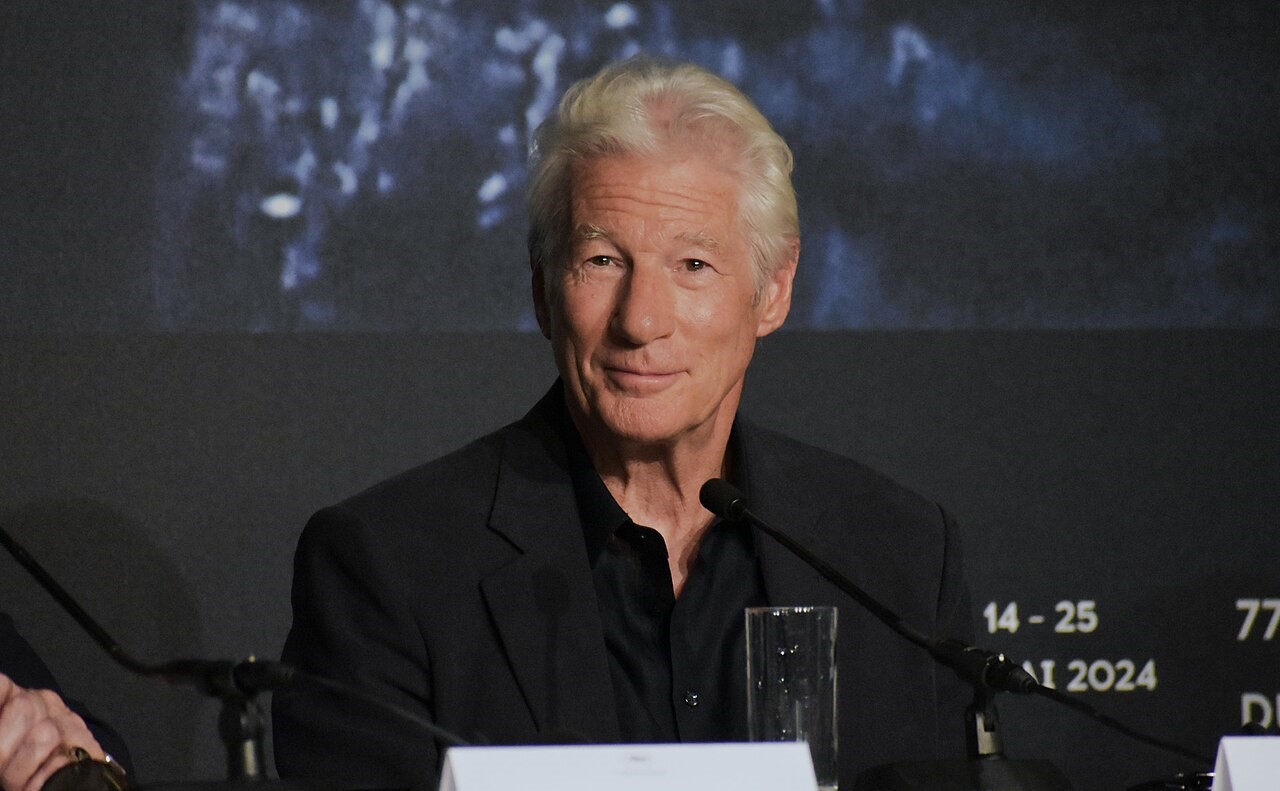
During the 65th Academy Awards on March 29, 1993, actor Richard Gere delivered a speech that would have significant ramifications for his career. While presenting the award for Best Art Direction, Gere used the platform to address the serious issue of human rights abuses in Tibet under Chinese rule, a departure from the event’s traditional focus on entertainment.
Gere began his remarks by acknowledging the vast audience watching the ceremony. He then directed his comments toward Deng Xiaoping, the then-leader of China, questioning whether he was aware of the human rights situation in his country. “I wonder if Deng Xiaoping is actually watching this right now, with his children and his grandchildren, and with the knowledge that what a horrendous, horrendous human rights situation there is in China,” he stated. He urged the Chinese government to withdraw its troops from Tibet, advocating for the freedom and independence of its people.
Although audience members applauded Gere’s passionate address, Academy organizers viewed it as a breach of protocol. While the ban imposed on Gere was never formally documented, the effects were clear: he would not appear at the Oscars for the next 20 years. Bob Rehme, who served as president of the Academy at that time, emphasized that the awards were intended to celebrate films rather than serve as a platform for political discourse, according to the Los Angeles Times.
Reflecting on the ban in a recent interview with Variety, Gere stated that he did not take it personally. “I do what I do, and I certainly don’t mean anyone any harm,” he said, explaining that his intention was to challenge injustices rather than provoke. He emphasized that his advocacy stems from his long-standing beliefs, influenced by his friendship with the Dalai Lama, the spiritual leader of Tibetan Buddhism.
Gere’s absence from the Oscars finally came to an end in 2013 when he returned to present an award alongside the cast of Chicago, a film that had garnered several Academy Awards. This reunion marked a significant moment in Gere’s career, as he humorously noted to HuffPost, “It seems if you stay around long enough, they forget they’ve banned you,” downplaying the impact of his two-decade absence.
A prominent figure in Hollywood, Gere first gained attention in the 1970s with the film American Gigolo. He became a household name in the late 1980s and 1990s with iconic performances in films like Pretty Woman and An Officer and a Gentleman. Despite his involvement in Oscar-winning productions, including Chicago and Days of Heaven, he has never received an Academy Award nomination.
In addition to his acting career, Gere has remained dedicated to various humanitarian causes, particularly advocating for Tibetan freedom and human rights. This year, he served as executive producer for the documentary Wisdom of Happiness, which delves into the teachings of the Dalai Lama on compassion and moral courage.
At 76, Gere continues to choose projects that resonate with his values, blending mainstream appeal with meaningful storytelling. His lengthy absence from the Oscars did not hinder his career; rather, it reinforced his commitment to the causes he champions. Through his work and activism, Gere remains a notable figure in both cinema and humanitarian efforts, illustrating the powerful intersection of art and advocacy.











Belfast Gears Up for Vibrant St Patrick’s Day Parade on March 17

Cuba Faces Nationwide Blackout Amid Deepening Energy Crisis

Wirral Council to Restructure Leadership, Cutting Two Top Roles

Rethinking Resistance Training: Key Insights from US Experts

EU Membership on the Horizon: What It Means for Citizens

Ukrainian Drone Swarms Strike Moscow Region for Second Day

Henley Launches Innovative Initiative to Boost Local Economy

Court Ruling Allows Pandemic Tax Refund Claims Until 2026

Sean Penn’s Absence at 2026 Oscars Sparks Discussion

Coronation Street’s Shocking Murder Twist Reveals Family Secrets

Andrew Pierce Confirms Departure from ITV’s Good Morning Britain

Katie Price Faces New Health Concerns After Cancer Symptoms Resurface

Gyles Brandreth Shares Grandson’s Cancer Battle and Recovery

Sue Radford Reveals Weight Loss Journey, Shedding 12–13 kg

Kate Garraway Sells £2 Million Home Amid Financial Struggles

Jordan Brook Faces Health Crisis in Hospital as Sophie Kasaei Stays Away

EastEnders’ Nicola Mitchell Faces Unexpected Pregnancy Crisis

Reddit Study Reveals Distinctions Between Lurkers and Power Users
-
 World8 months ago
Coronation Street’s Shocking Murder Twist Reveals Family Secrets
-
 Entertainment8 months ago
Andrew Pierce Confirms Departure from ITV’s Good Morning Britain
-
 Health12 months ago
Katie Price Faces New Health Concerns After Cancer Symptoms Resurface
-
 Health7 months ago
Gyles Brandreth Shares Grandson’s Cancer Battle and Recovery
-
 Health7 months ago
Sue Radford Reveals Weight Loss Journey, Shedding 12–13 kg
-
 Entertainment1 year ago
Kate Garraway Sells £2 Million Home Amid Financial Struggles
-
 Entertainment5 months ago
Jordan Brook Faces Health Crisis in Hospital as Sophie Kasaei Stays Away
-
 World10 months ago
EastEnders’ Nicola Mitchell Faces Unexpected Pregnancy Crisis
-
 Science8 months ago
Reddit Study Reveals Distinctions Between Lurkers and Power Users
-

 World9 months ago
Mother Charged After Son, 9, Killed in Tragic Incident in Italy
-

 Entertainment12 months ago
Ann Ming Reflects on ITV’s ‘I Fought the Law’ Drama
-

 World9 months ago
Bailey Announces Heartbreaking Split from Rebecca After Reunion