
Politics
Richard Gere’s Bold Speech at 1993 Oscars Sparks 20-Year Ban

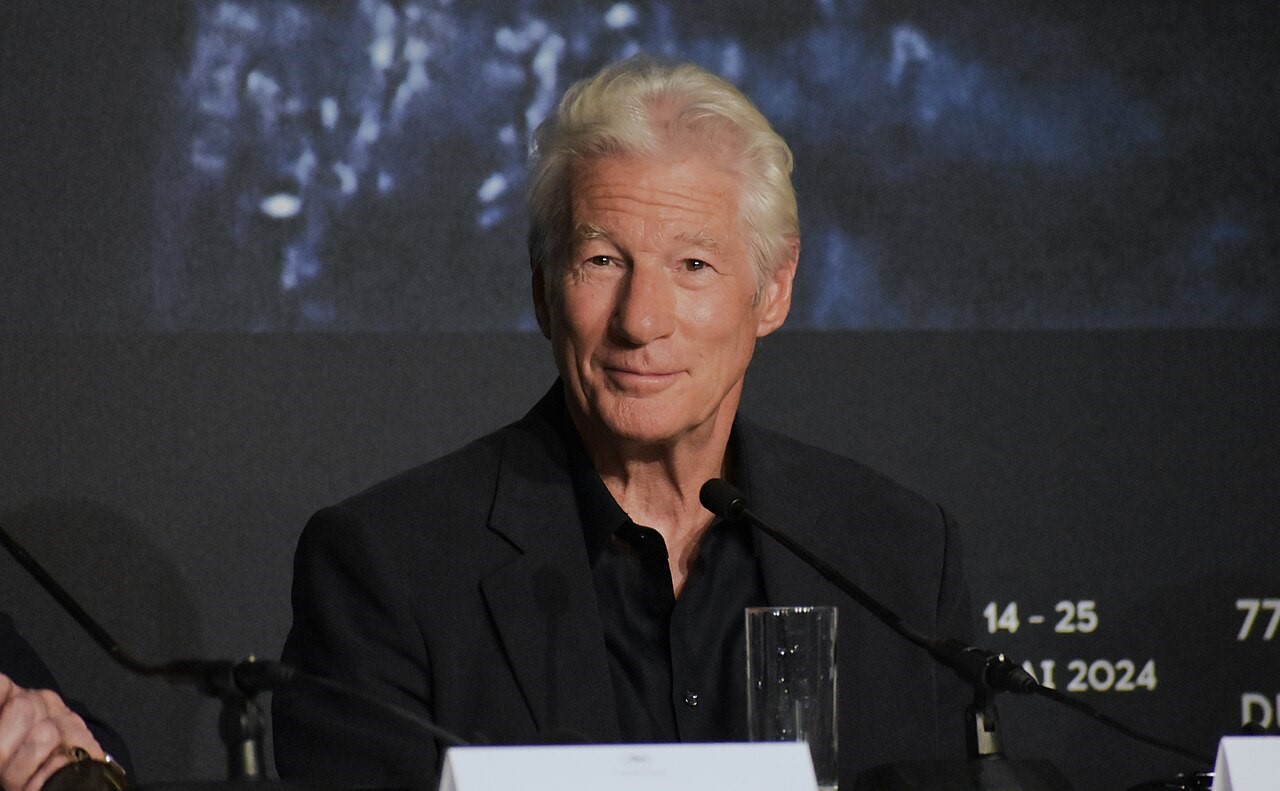
During the 65th Academy Awards on March 29, 1993, actor Richard Gere delivered a powerful speech that would have lasting repercussions on his career. While presenting the award for Best Art Direction, Gere shifted from the scripted format to address serious human rights abuses occurring in Tibet under Chinese rule. This unexpected move not only captivated the audience but also led to a two-decade absence from the Oscars for the celebrated star.
Gere began his address by acknowledging the vast audience, directly confronting the Chinese leadership with a poignant message. He stated, “I wonder if Deng Xiaoping is actually watching this right now, with his children and his grandchildren, and with the knowledge that what a horrendous, horrendous human rights situation there is in China.” He passionately called for the withdrawal of Chinese troops from Tibet, advocating for the Tibetan people’s freedom and independence.
While his comments received applause from many in the venue, the Academy’s organizers viewed his speech as a breach of protocol. Though there was no formal documentation of a ban, it became evident that Gere would be sidelined from the Oscars for the next 20 years. Bob Rehme, then-president of the Academy, emphasized that the Oscars focus solely on film and entertainment, not political matters, according to the Los Angeles Times.
Reflecting on the ban in a recent interview with Variety, Gere noted that he did not take the situation personally. He explained, “I do what I do and I certainly don’t mean anyone any harm. I mean to harm anger. I mean to harm exclusion. I mean to harm human rights abuses.” For Gere, his speech was not an act of provocation but rather a reflection of his conscience and values, deeply influenced by his long-standing friendship with the Dalai Lama, the spiritual leader of Tibetan Buddhism.
Gere’s absence from the Oscars finally came to an end in 2013 when he returned to present an award alongside the cast of Chicago, a film that had earned multiple Academy Awards. His return marked a significant moment, and he humorously remarked to HuffPost, “It seems if you stay around long enough, they forget they’ve banned you,” highlighting his perspective on the ban’s severity.
Throughout his career, Gere has become one of Hollywood’s most recognizable leading men. He gained considerable attention in the 1970s with roles in films like American Gigolo. His career peaked in the late 1980s and 1990s with iconic performances in films such as Pretty Woman, An Officer and a Gentleman, and Chicago, showcasing his versatility across various genres. Despite his involvement in multiple Oscar-winning films, he has never received a nomination from the Academy.
Beyond acting, Gere has remained dedicated to advocacy, using his platform to spotlight global issues. He has been a fervent supporter of Tibetan freedom and human rights, drawing inspiration from his relationship with the Dalai Lama. This year, he executive-produced the documentary Wisdom of Happiness, which explores the Dalai Lama’s teachings on compassion, redemption, and moral courage.
At 76, Gere continues to select projects that resonate with his personal values, balancing mainstream appeal with principled storytelling. His lengthy absence from the Oscars has not hindered his career; instead, it has reinforced his commitment to the causes he champions.












Munich’s Wind Turbine Project Gears Up for Green Energy Revolution

Gwion Ellis Triumphs as DEKA Mile World Champion in Florida

Iceland Launches Unique Prawn Engagement Ring for Christmas

Council Supports Plan for 80 New Homes in Halton Amid Opposition

Internet Users Share 23 Unconventional Life Hacks Worth Considering

Interstellar Object 3I/ATLAS Could Carry Life to Earth

Pacquiao Sons Rise in Boxing: Could They Face Off in the Ring?

Indonesia Seeks $3 Billion for Reconstruction After Floods

Manny Pacquiao’s Sons Rise in Boxing: Clash on the Horizon?

Ann Ming Reflects on ITV’s ‘I Fought the Law’ Drama

Kate Garraway Sells £2 Million Home Amid Financial Struggles

Katie Price Faces New Health Concerns After Cancer Symptoms Resurface

Coronation Street Fans React as Todd Faces Heartbreaking Choice

Coronation Street’s Carl Webster Faces Trouble with New Affairs

Kevin Sinfield Exceeds Fundraising Goal Ahead of Final Marathons

Bailey Announces Heartbreaking Split from Rebecca After Reunion

Where is Tinder Swindler Simon Leviev? Latest Updates Revealed

Two Stars Evicted from I’m A Celebrity Just Days Before Finale
-
 Entertainment3 months ago
Ann Ming Reflects on ITV’s ‘I Fought the Law’ Drama
-
 Entertainment4 months ago
Kate Garraway Sells £2 Million Home Amid Financial Struggles
-
 Health3 months ago
Katie Price Faces New Health Concerns After Cancer Symptoms Resurface
-
 Entertainment3 weeks ago
Coronation Street Fans React as Todd Faces Heartbreaking Choice
-
 Entertainment3 months ago
Coronation Street’s Carl Webster Faces Trouble with New Affairs
-
 World3 days ago
Kevin Sinfield Exceeds Fundraising Goal Ahead of Final Marathons
-
 World3 weeks ago
Bailey Announces Heartbreaking Split from Rebecca After Reunion
-
 Entertainment3 months ago
Where is Tinder Swindler Simon Leviev? Latest Updates Revealed
-
 Entertainment3 days ago
Two Stars Evicted from I’m A Celebrity Just Days Before Finale
-

 Entertainment4 months ago
Markiplier Addresses AI Controversy During Livestream Response
-

 Science2 months ago
Brian Cox Addresses Claims of Alien Probe in 3I/ATLAS Discovery
-

 Health5 months ago
Carol Vorderman Reflects on Health Scare and Family Support