
World
UK Faces Widespread Aspirin Shortages as Pharmacies Struggle

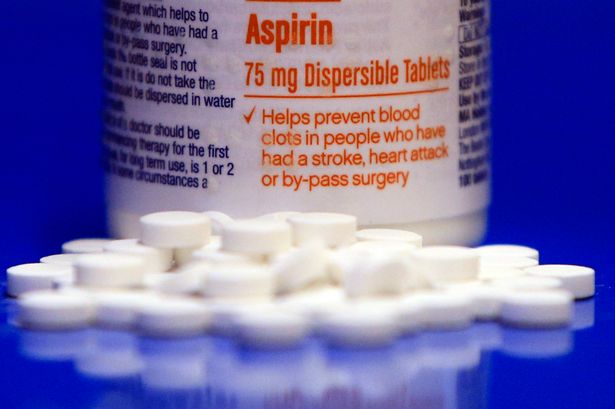
Pharmacies across the UK are currently grappling with significant shortages of aspirin, a crucial medication used to prevent strokes and heart attacks. The situation has prompted the UK Government to include aspirin on its export ban list, aiming to safeguard supplies for domestic patients.
The National Pharmacy Association (NPA), which represents approximately 6,000 pharmacies, along with the Independent Pharmacies Association, representing over 5,000, have reported difficulties in sourcing the medication. Both organizations indicated that manufacturing delays are a key factor contributing to the shortages.
A recent survey conducted by the NPA revealed that 86 percent of the 540 pharmacies surveyed were unable to provide aspirin to patients within the past week. The shortage is particularly pronounced for the 75mg dose, although all forms of aspirin are affected. In response, numerous pharmacies have ceased over-the-counter sales of the drug.
Impact on Patients and Costs
Pharmacists in the UK are now rationing aspirin primarily for patients with urgent heart conditions or those requiring emergency prescriptions. Long-term treatment with low-dose 75mg aspirin is essential, as it has an antiplatelet effect that helps prevent blood clots, significantly reducing the risk of heart attacks and strokes. Doctors commonly prescribe it for individuals who have experienced a heart attack, stroke, transient ischemic attack, angina, peripheral arterial disease (PAD), or following certain surgical procedures.
The NPA has also highlighted a dramatic increase in costs associated with aspirin over the past two months. A packet of 75mg dispersible aspirin has surged from £0.18 last year to £3.90 this month. The NHS currently reimburses pharmacies £2.18 per packet, resulting in an average loss of £1.72 for pharmacies on each transaction.
Olivier Picard, chair of the NPA, expressed concerns regarding the implications of these shortages for patients. He stated, “We’re concerned about reports of pharmacies being unable to order in stocks of aspirin and the implications this might have for the patients they serve. For those pharmacies that can get hold of supply, costs will far exceed what they will be reimbursed by the NHS, yet more signs of a fundamentally broken pharmacy contract in desperate need of reform by the Government.”
Dr. Leyla Hannbeck, chief executive of the Independent Pharmacies Association, echoed these concerns, pointing to manufacturing delays and the low prices set by the NHS as significant factors in the crisis. “These low stock levels are partly due to manufacturing delays, but also because pharmacies are simply unable to order the quantities they need,” she noted.
Calls for Reform and Alternatives
Dr. Hannbeck emphasized the need for urgent government intervention, stating that the current reimbursement system forces manufacturers to prioritize supplying other countries over the UK. “When limited stock becomes available, prices shoot up to levels that become unaffordable for pharmacies,” she explained. “It is vital that the Government urgently reviews how medicines are reimbursed to pharmacies; otherwise, these shortages will only worsen.”
In light of the ongoing shortages, Dr. Hannbeck advised individuals struggling to obtain aspirin to consult their local pharmacist, who can recommend suitable alternatives where available. The NPA is advocating for reform of existing regulations that prevent pharmacies from substituting medications when the prescribed drug is unavailable.
Picard highlighted the dangers of the current system: “It is madness to send someone back to their GP to get a prescription changed when a safe alternative is in stock. It risks a patient either delaying taking vital medication or forgoing it altogether, which poses a clear risk to patient safety.”
James Davies, director of research and insights at Community Pharmacy England, affirmed that shortages are a pressing concern for both patients and pharmacy teams. He urged the Government and the NHS to take immediate action to stabilize the medicines market and enhance access to essential medications.
The ramifications of the aspirin shortage extend beyond cardiovascular patients. Fiona Loud, policy director at Kidney Care UK, noted that individuals with chronic kidney disease, who may also require low-dose aspirin, are impacted by the lack of availability.
As the situation evolves, all eyes are on the Government to implement measures that will ensure the availability of essential medications like aspirin for those who need them most.













Belfast Gears Up for Vibrant St Patrick’s Day Parade on March 17

Cuba Faces Nationwide Blackout Amid Deepening Energy Crisis

Wirral Council to Restructure Leadership, Cutting Two Top Roles

Rethinking Resistance Training: Key Insights from US Experts

EU Membership on the Horizon: What It Means for Citizens

Ukrainian Drone Swarms Strike Moscow Region for Second Day

Henley Launches Innovative Initiative to Boost Local Economy

Court Ruling Allows Pandemic Tax Refund Claims Until 2026

Sean Penn’s Absence at 2026 Oscars Sparks Discussion

Coronation Street’s Shocking Murder Twist Reveals Family Secrets

Andrew Pierce Confirms Departure from ITV’s Good Morning Britain

Katie Price Faces New Health Concerns After Cancer Symptoms Resurface

Sue Radford Reveals Weight Loss Journey, Shedding 12–13 kg

Kate Garraway Sells £2 Million Home Amid Financial Struggles

Jordan Brook Faces Health Crisis in Hospital as Sophie Kasaei Stays Away

EastEnders’ Nicola Mitchell Faces Unexpected Pregnancy Crisis

Bailey Announces Heartbreaking Split from Rebecca After Reunion

Ann Ming Reflects on ITV’s ‘I Fought the Law’ Drama
-
 World4 months ago
Coronation Street’s Shocking Murder Twist Reveals Family Secrets
-
 Entertainment4 months ago
Andrew Pierce Confirms Departure from ITV’s Good Morning Britain
-
 Health7 months ago
Katie Price Faces New Health Concerns After Cancer Symptoms Resurface
-
 Health2 months ago
Sue Radford Reveals Weight Loss Journey, Shedding 12–13 kg
-
 Entertainment8 months ago
Kate Garraway Sells £2 Million Home Amid Financial Struggles
-
 Entertainment3 weeks ago
Jordan Brook Faces Health Crisis in Hospital as Sophie Kasaei Stays Away
-
 World5 months ago
EastEnders’ Nicola Mitchell Faces Unexpected Pregnancy Crisis
-
 World5 months ago
Bailey Announces Heartbreaking Split from Rebecca After Reunion
-
 Entertainment7 months ago
Ann Ming Reflects on ITV’s ‘I Fought the Law’ Drama
-

 Entertainment2 months ago
Selena Gomez’s Name Linked to Epstein: Examining the Claims
-

 Health7 months ago
TOWIE Stars Sophie Kasaei and Jordan Brook Pursue Fertility Treatment
-

 Health7 months ago
Fiona Phillips’ Husband Shares Heartbreaking Update on Her Health