
Sports
Montenegro’s Milorad Popović Critiques Nationalism’s Resurgence

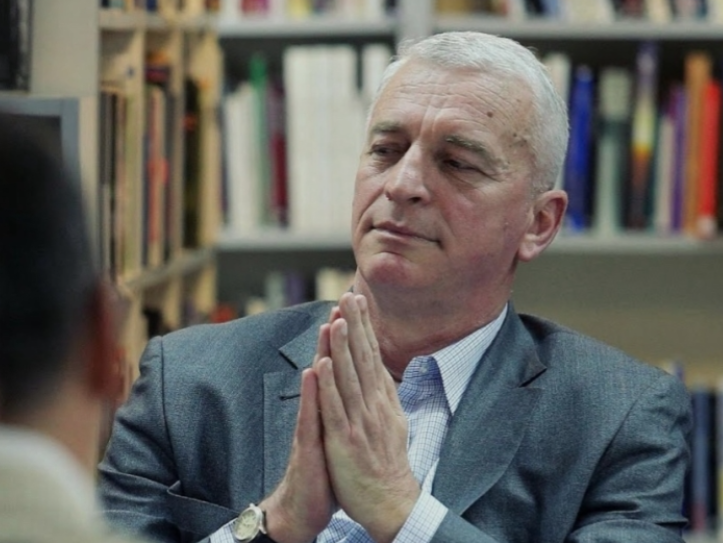
Milorad Popović, a prominent Montenegrin writer, expressed deep concern over the resurgence of nationalism in Montenegro, likening the current political climate to the turbulent 1990s. In a recent interview with **Slobodna Bosna**, he condemned the rise of what he termed “chauvinists” in power, reflecting on his shame regarding the persecution of various ethnic groups in the past, including Bosniaks, Albanians, and Croats. He specifically criticized **Andrija Mandić**, the head of the ruling pro-Russian **Nova srpska demokratija** party, for disrespectful comments made towards the Bosniak community.
Popović remarked that the political situation in Montenegro surprises only those unfamiliar with the historical dynamics between Montenegrins and Serbs. He pointed to a long-standing conflict dating back to the **1907 assassination attempt** on King Nikola of Montenegro, asserting that the struggle between proponents of “Greater Serbia” and Montenegrins has persisted for over a century. He highlighted that Serbian nationalism, much like Russian nationalism, is imperialistic and messianic, believing that Serbs have the right to dominate other nations.
In discussing the impact of Serbian nationalism, Popović noted its catastrophic effects on the former Yugoslavia, leading to **hundreds of thousands of deaths**, widespread displacement, and the destruction of communities. Even after suffering defeats in four wars, he stated that Serbia continues to pursue its imperial ambitions.
The writer articulated concerns about the enduring power of Serbian identity, which he believes is intertwined with religious ideologies. He criticized the narrative that presents Serbs as a “chosen people,” emphasizing that this mindset fosters a sense of perpetual victimhood and justifies aggressive policies against neighboring nations.
Popović reflected on the shared fate of Montenegrins with Bosniaks and Albanians during the **1990s**, asserting that these groups are among the most marginalized in Montenegro today. He criticized the leadership of Bosniak and Albanian political parties for entering alliances with groups he deems as “clero-fascists,” pointing to a betrayal of the Montenegrin statehood and a failure to protect the interests of minority populations.
The writer expressed skepticism about the ability of Bosnia and Herzegovina to fend off Serbian aggression, citing the close political ties between leaders like **Milorad Dodik** and **Aleksandar Vučić**. He warned that the same nationalist agendas that destabilized the Balkans in the past are still alive and pose a significant threat to regional peace.
Popović lamented the current state of society in Montenegro, describing it as worse than during the 1990s, despite the absence of open conflict. He argued that the political landscape is dominated by a “mobocracy,” where opportunistic leaders prioritize personal gain over the welfare of the state.
He criticized the appointment of individuals with dubious qualifications to key cultural positions, exemplified by the current Minister of Culture, who he claims lacks basic exposure to the arts. Popović described the atmosphere in Montenegro as increasingly repressive, with political opponents facing persecution reminiscent of darker periods in history.
The writer emphasized that the silence from the opposition is troubling, suggesting that many young politicians are products of the previous regime and lack the experience or courage to resist the current government. He called for a united front among pro-Western forces to counteract the threats posed by greater Serbian nationalism.
In his closing remarks, Popović advocated for the formation of a comprehensive national organization to unite pro-sovereignty elements within Montenegro. He stressed the importance of clear differentiation between democratic parties and those that promote Serbian nationalist agendas, arguing that such distinctions are crucial for the survival of Montenegro as an independent state.
By confronting these pressing issues, Popović believes that Montenegro can reclaim its identity and safeguard its constitutional values amidst a challenging political landscape.










Belfast Gears Up for Vibrant St Patrick’s Day Parade on March 17

Cuba Faces Nationwide Blackout Amid Deepening Energy Crisis

Wirral Council to Restructure Leadership, Cutting Two Top Roles

Rethinking Resistance Training: Key Insights from US Experts

EU Membership on the Horizon: What It Means for Citizens

Ukrainian Drone Swarms Strike Moscow Region for Second Day

Henley Launches Innovative Initiative to Boost Local Economy

Court Ruling Allows Pandemic Tax Refund Claims Until 2026

Sean Penn’s Absence at 2026 Oscars Sparks Discussion

Coronation Street’s Shocking Murder Twist Reveals Family Secrets

Andrew Pierce Confirms Departure from ITV’s Good Morning Britain

Katie Price Faces New Health Concerns After Cancer Symptoms Resurface

Sue Radford Reveals Weight Loss Journey, Shedding 12–13 kg

Kate Garraway Sells £2 Million Home Amid Financial Struggles

Jordan Brook Faces Health Crisis in Hospital as Sophie Kasaei Stays Away

EastEnders’ Nicola Mitchell Faces Unexpected Pregnancy Crisis

Bailey Announces Heartbreaking Split from Rebecca After Reunion

Ann Ming Reflects on ITV’s ‘I Fought the Law’ Drama
-
 World4 months ago
Coronation Street’s Shocking Murder Twist Reveals Family Secrets
-
 Entertainment4 months ago
Andrew Pierce Confirms Departure from ITV’s Good Morning Britain
-
 Health7 months ago
Katie Price Faces New Health Concerns After Cancer Symptoms Resurface
-
 Health2 months ago
Sue Radford Reveals Weight Loss Journey, Shedding 12–13 kg
-
 Entertainment8 months ago
Kate Garraway Sells £2 Million Home Amid Financial Struggles
-
 Entertainment3 weeks ago
Jordan Brook Faces Health Crisis in Hospital as Sophie Kasaei Stays Away
-
 World5 months ago
EastEnders’ Nicola Mitchell Faces Unexpected Pregnancy Crisis
-
 World5 months ago
Bailey Announces Heartbreaking Split from Rebecca After Reunion
-
 Entertainment7 months ago
Ann Ming Reflects on ITV’s ‘I Fought the Law’ Drama
-

 Entertainment2 months ago
Selena Gomez’s Name Linked to Epstein: Examining the Claims
-

 Health7 months ago
TOWIE Stars Sophie Kasaei and Jordan Brook Pursue Fertility Treatment
-

 Health7 months ago
Fiona Phillips’ Husband Shares Heartbreaking Update on Her Health