
Science
World’s First Flying Car Begins Production in the US

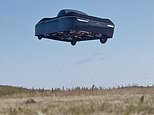
A groundbreaking leap in transportation has taken place as the world’s first flying car, developed by Alef Aeronautics, has officially entered production. This innovative vehicle, priced at approximately £235,000, offers a unique solution for commuters, enabling them to bypass traffic congestions by taking to the skies.
The flying car, known as the Alef Model A, is currently being hand-assembled in California. This ambitious project aims to revolutionize how people travel, especially in urban areas notorious for gridlock. With the ability to transition from driving on roads to flying in the air, the Model A promises to transform the daily commute for many.
Alef Aeronautics has stated that the first deliveries of this remarkable vehicle are expected to begin in 2024. The company’s vision extends beyond mere transportation; it encompasses a future where flying cars become an integral part of everyday life. The Model A is designed to accommodate both piloting and driving modes, allowing users to navigate seamlessly between ground and aerial travel.
The production process is meticulous, reflecting the complexity of creating a vehicle that operates in two different environments. Each unit is assembled by skilled technicians, ensuring that safety standards and performance specifications are met. The company is focused on maintaining high-quality craftsmanship, which is essential for the successful launch of such a novel product.
The Alef Model A is not just a flying car; it is a statement about the future of personal transportation. As cities grow and traffic issues become more severe, innovative solutions like this one are increasingly necessary. The promise of flying over traffic jams could significantly reduce commute times and enhance the overall travel experience.
In addition to its practical benefits, the Model A is equipped with advanced technology, including autopilot capabilities and a user-friendly interface. These features aim to make flying accessible to a broader range of people, not just those with extensive aviation experience.
The development of flying cars is part of a broader trend towards urban air mobility, which is gaining traction globally. Companies around the world are exploring similar concepts, seeking to address the challenges posed by ever-increasing urban populations and traffic demands.
Experts in the field suggest that the successful launch of the Alef Model A could pave the way for regulatory frameworks that support the use of flying vehicles in urban settings. This would involve collaboration with aviation authorities to ensure that safety and operational guidelines are established.
As the world awaits the launch of the Alef Model A, it remains to be seen how the public will respond to this new mode of transportation. Interest in personal flying vehicles has surged, and the potential for this technology to reshape commuting is vast.
In summary, the production of the Alef Model A marks a significant milestone in the evolution of transportation. With its unique design and dual functionality, this flying car is poised to change how we think about travel, offering a glimpse into a future where flying over traffic is not just a dream, but a reality.










First Tower Completed for Creag Dhubh to Dalmally Overhead Line

First Tower Completed for Creag Dhubh to Dalmally Overhead Line

Tax The Heat Leads December Music Comeback with New Hits

Over Half of Nottinghamshire Children Fall Short on Exercise

Budućnost Parts Ways with Vukićević; Brnović’s Return Considered

MTEL Launches Holiday Promotions with Free Data and Services

MGC Transitions to a Key Asset for Web3 Gaming Partnerships

Romy Reiner Discovers Parents Rob and Michele Reiner Deceased

Doctors’ Walkout Set to Impact Health Services Nationwide

Coronation Street’s Shocking Murder Twist Reveals Family Secrets

Andrew Pierce Confirms Departure from ITV’s Good Morning Britain

Kate Garraway Sells £2 Million Home Amid Financial Struggles

Ann Ming Reflects on ITV’s ‘I Fought the Law’ Drama

Katie Price Faces New Health Concerns After Cancer Symptoms Resurface

Coronation Street Fans React as Todd Faces Heartbreaking Choice

Bailey Announces Heartbreaking Split from Rebecca After Reunion

Two Stars Evicted from I’m A Celebrity Just Days Before Finale

Kevin Sinfield Exceeds Fundraising Goal Ahead of Final Marathons
-
 World7 days ago
Coronation Street’s Shocking Murder Twist Reveals Family Secrets
-
 Entertainment4 days ago
Andrew Pierce Confirms Departure from ITV’s Good Morning Britain
-
 Entertainment5 months ago
Kate Garraway Sells £2 Million Home Amid Financial Struggles
-
 Entertainment4 months ago
Ann Ming Reflects on ITV’s ‘I Fought the Law’ Drama
-
 Health3 months ago
Katie Price Faces New Health Concerns After Cancer Symptoms Resurface
-
 Entertainment4 weeks ago
Coronation Street Fans React as Todd Faces Heartbreaking Choice
-
 World4 weeks ago
Bailey Announces Heartbreaking Split from Rebecca After Reunion
-
 Entertainment1 week ago
Two Stars Evicted from I’m A Celebrity Just Days Before Finale
-
 World1 week ago
Kevin Sinfield Exceeds Fundraising Goal Ahead of Final Marathons
-

 Entertainment3 months ago
Coronation Street’s Carl Webster Faces Trouble with New Affairs
-

 Entertainment3 months ago
Where is Tinder Swindler Simon Leviev? Latest Updates Revealed
-

 Entertainment4 months ago
Markiplier Addresses AI Controversy During Livestream Response