
Science
Tectonic Activity in Ethiopia Signals Birth of New Ocean

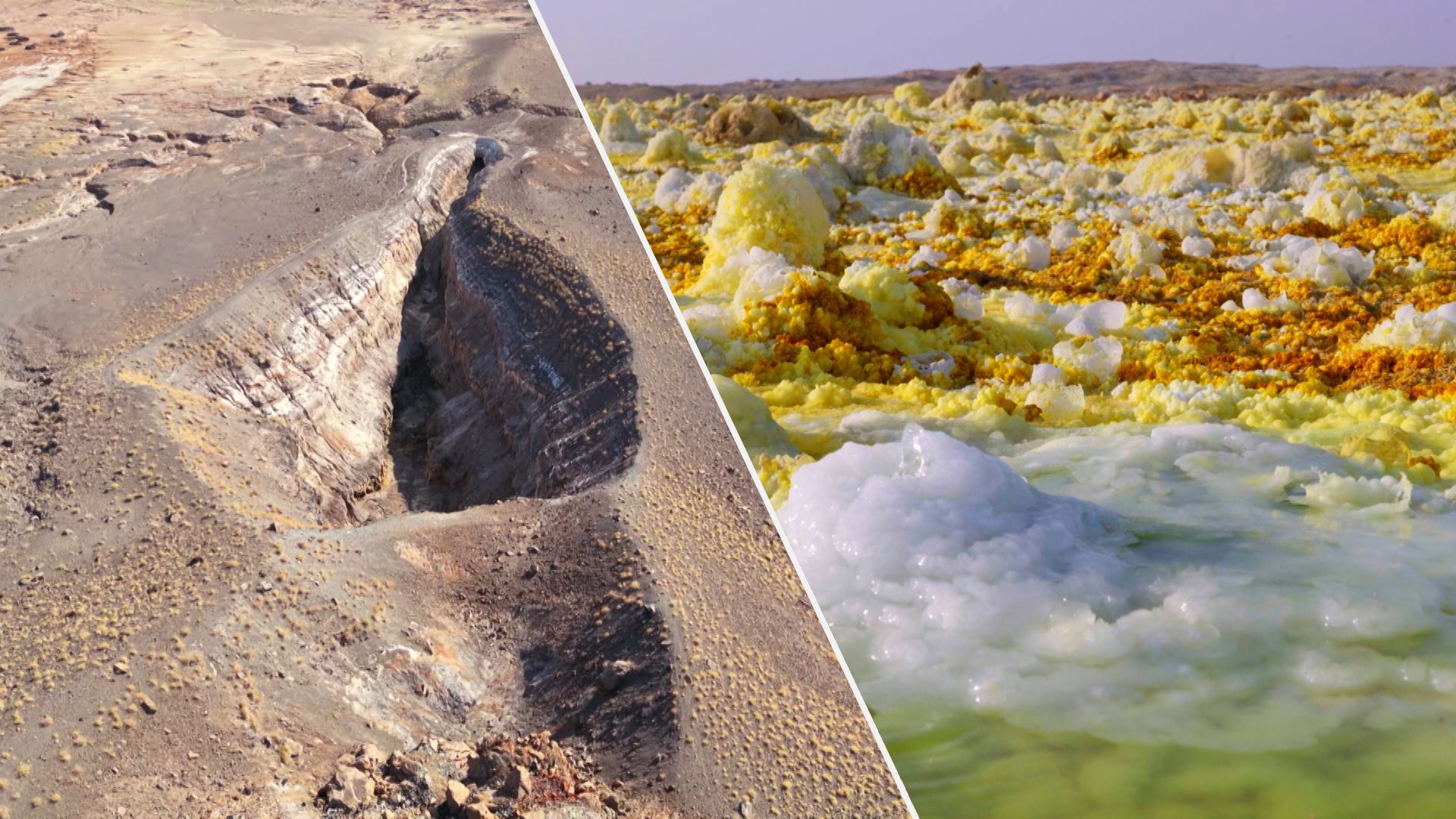
The Afar region of Ethiopia is undergoing significant geological changes that could lead to the formation of a new ocean, effectively splitting Africa in two. Recent tectonic activity, marked by a series of earthquakes and volcanic eruptions, has created expansive cracks in the earth, providing a striking visual representation of these forces at work. This phenomenon illustrates how the slow process of tectonic plate movement can be observed in real time.
Scientists have long understood that the East African Rift, which runs through the Afar region, is a tectonic boundary where the African plate is slowly being pulled apart. As the rift continues to expand, it is expected to create a new ocean basin over geological timescales, a process that can take millions of years. The recent seismic activity has accelerated this natural progression, offering researchers a unique opportunity to study these changes.
Geological Significance of the Afar Region
The Afar region is already known for its geological activity and unique landscape. It sits at the junction of three tectonic plates: the African, Arabian, and Somali plates. This convergence results in frequent earthquakes and volcanic eruptions, which have intensified in recent years. According to observations made by local scientists, the ground has begun to crack, revealing fissures that extend for several kilometers.
The most notable event occurred in late 2025, when a series of earthquakes struck the region, including a significant tremor that registered a magnitude of 6.2. This seismic activity was accompanied by volcanic eruptions, further disrupting the landscape and contributing to the formation of new geological features. These developments not only reshape the physical environment but also pose potential risks to local communities.
Impact on Local Communities and Future Research
As the tectonic forces continue to reshape the Afar region, local communities are facing both challenges and opportunities. The geological instability raises concerns about safety and infrastructure. However, it also attracts scientists and researchers eager to study the processes involved in the formation of new landforms.
Jamal Osman, an Africa correspondent, emphasizes the importance of ongoing research in understanding these phenomena. “The Afar region serves as a natural laboratory for geologists,” he noted. “Studying the changes here can provide valuable insights into the dynamics of tectonic activity and the Earth’s geological history.”
The potential for a new ocean forming in the Afar region highlights the dynamic nature of our planet. While such changes may not be immediately felt, they have profound implications for the future of the African continent and its geological landscape. As scientists continue to monitor the situation, the international community is watching closely to understand the implications of this extraordinary natural event.






Instagram Refutes Claims of Data Breach Impacting 17.5 Million Users

Football Expert Advises Liverpool, Tottenham to Wait on Diomande

Teenager Sets Guinness World Record for Largest Jellycat Collection

Montenegro’s Quiet Diplomacy: The Path to Independence on May 21

American Airlines Adjusts Checked Bag Fees, Frustrating Travelers

Meghan Markle’s Return to UK Depends on Security Approval

Scientists Uncover Atmosphere on 1,800°C Exoplanet TOI-561 b

Liverpool’s Bradley Faces Season-Ending Knee Injury

UK Defence Secretary Calls for Accountability Over Putin’s Actions

Coronation Street’s Shocking Murder Twist Reveals Family Secrets

Andrew Pierce Confirms Departure from ITV’s Good Morning Britain

Kate Garraway Sells £2 Million Home Amid Financial Struggles

Ann Ming Reflects on ITV’s ‘I Fought the Law’ Drama

Bailey Announces Heartbreaking Split from Rebecca After Reunion

David Jason and Nicholas Lyndhurst Eye Reunion for Only Fools Anniversary

Coronation Street Fans React as Todd Faces Heartbreaking Choice

Katie Price Faces New Health Concerns After Cancer Symptoms Resurface

Bradley Walsh Sparks Strictly Come Dancing Hosting Speculation
-
 World1 month ago
Coronation Street’s Shocking Murder Twist Reveals Family Secrets
-
 Entertainment1 month ago
Andrew Pierce Confirms Departure from ITV’s Good Morning Britain
-
 Entertainment5 months ago
Kate Garraway Sells £2 Million Home Amid Financial Struggles
-
 Entertainment4 months ago
Ann Ming Reflects on ITV’s ‘I Fought the Law’ Drama
-
 World2 months ago
Bailey Announces Heartbreaking Split from Rebecca After Reunion
-
 Entertainment1 month ago
David Jason and Nicholas Lyndhurst Eye Reunion for Only Fools Anniversary
-
 Entertainment2 months ago
Coronation Street Fans React as Todd Faces Heartbreaking Choice
-
 Health4 months ago
Katie Price Faces New Health Concerns After Cancer Symptoms Resurface
-
 Entertainment1 month ago
Bradley Walsh Sparks Strictly Come Dancing Hosting Speculation
-

 Entertainment1 month ago
Two Stars Evicted from I’m A Celebrity Just Days Before Finale
-

 Entertainment4 months ago
Coronation Street’s Carl Webster Faces Trouble with New Affairs
-

 World1 month ago
Kevin Sinfield Exceeds Fundraising Goal Ahead of Final Marathons