
Health
Urgent Measures Planned as Winter Strain Hits West Midlands Hospitals

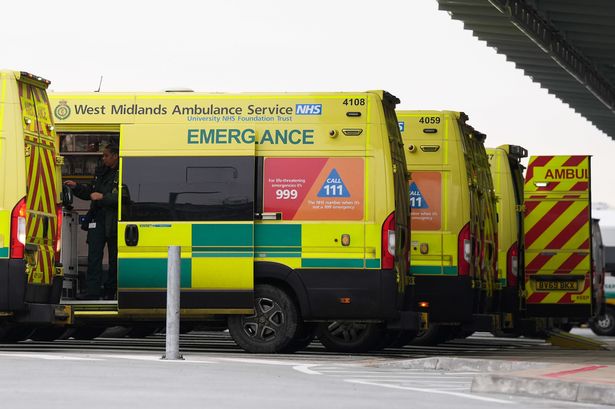
As winter pressures escalate, hospitals in the West Midlands are bracing for increased demand that is already straining emergency services. NHS leaders have expressed alarm over the lengthy delays ambulances are experiencing outside Accident and Emergency (A&E) departments in Birmingham and the Black Country. According to the University Hospitals Birmingham NHS Foundation Trust, immediate actions are being considered to alleviate the situation.
On December 8, 2023, the trust declared a critical incident after admitting a total of 269 inpatients, including nine classified as critical. This follows a concerning trend observed the previous week, when a third of all ambulances in the West Midlands were reportedly stuck outside hospitals at various times. This included significant delays for ‘category two’ ambulance responses, which cater to patients suffering from serious conditions such as chest pain and strokes, with wait times exceeding 30 minutes.
Anticipating Further Challenges
As winter conditions worsen, NHS officials anticipate that pressures on services will intensify. The situation is compounded by the planned industrial action by resident doctors set to commence on December 17, 2023. During a meeting of the joint NHS Birmingham and Solihull and NHS Black Country Integrated Care Board (ICB), several potential strategies were discussed to manage the increasing demand on emergency services.
David Melbourne, chief executive of the ICB, outlined a few key measures that could be implemented. One suggestion is to activate winter plans earlier than usual, which might include utilizing additional capacity at the Midland Metropolitan Hospital in Smethwick. Another proposal involves deploying general practitioners at the entrances of hospitals to assist in managing patient inflow. Additionally, the ICB may provide support to facilitate the discharge of patients from hospitals.
Melbourne highlighted the differences in challenges faced by various ambulance services, stating, “If you look at East Midlands Ambulance Service and West Midlands Ambulance Service, they have two different challenges.” He noted that while the East Midlands has fewer ambulances, resulting in longer wait times for service, the West Midlands faces the issue of ambulances being unable to return to service due to being tied up at hospitals.
Current Situation and Future Outlook
The West Midlands has a higher number of ambulances, which has resulted in crews spending excessive time waiting outside A&E departments. “Last Monday, a third of all the West Midlands ambulances were sitting outside A&E departments somewhere across the region,” Melbourne pointed out. As a result, patients are experiencing longer wait times in ambulances, particularly those suffering from strokes, which had increased to over 31 minutes.
The persistent issue of ambulance delays illustrates the urgent need for effective solutions as the region prepares for a challenging winter season. Officials are evaluating their options carefully, focusing on immediate interventions to enhance service capacity and improve patient care as the flu season approaches and industrial actions loom.
The actions taken in the coming weeks will be crucial in determining how effectively the West Midlands can navigate this period of heightened demand for healthcare services.










Nutrition Experts Advocate for Fibrelayering Over Fibremaxxing

Grandfather’s Unintentional Confession Unveils Family Mafia Ties

Rising Trade Opportunities Make Parents Rethink University

NASA’s SPHEREx Captures Stunning Flare from Comet 3I/ATLAS

Portsmouth Boss Hints at Injury Returns Ahead of Sheffield Clash

Octopus Energy Reveals Ideal Thermostat Settings for Savings

Emirates Set to Maintain Largest Boeing Widebody Fleet by 2026

Emirates Set to Dominate Boeing Widebody Market in 2026

Arc Raiders Developer Confirms Rotation of Map Conditions Will Continue

Coronation Street’s Shocking Murder Twist Reveals Family Secrets

Andrew Pierce Confirms Departure from ITV’s Good Morning Britain

Katie Price Faces New Health Concerns After Cancer Symptoms Resurface

Sue Radford Reveals Weight Loss Journey, Shedding 12–13 kg

Kate Garraway Sells £2 Million Home Amid Financial Struggles

Ann Ming Reflects on ITV’s ‘I Fought the Law’ Drama

Bailey Announces Heartbreaking Split from Rebecca After Reunion

David Jason and Nicholas Lyndhurst Eye Reunion for Only Fools Anniversary

Coronation Street Fans React as Todd Faces Heartbreaking Choice
-
 World2 months ago
Coronation Street’s Shocking Murder Twist Reveals Family Secrets
-
 Entertainment2 months ago
Andrew Pierce Confirms Departure from ITV’s Good Morning Britain
-
 Health5 months ago
Katie Price Faces New Health Concerns After Cancer Symptoms Resurface
-
 Health2 weeks ago
Sue Radford Reveals Weight Loss Journey, Shedding 12–13 kg
-
 Entertainment6 months ago
Kate Garraway Sells £2 Million Home Amid Financial Struggles
-
 Entertainment5 months ago
Ann Ming Reflects on ITV’s ‘I Fought the Law’ Drama
-
 World3 months ago
Bailey Announces Heartbreaking Split from Rebecca After Reunion
-
 Entertainment2 months ago
David Jason and Nicholas Lyndhurst Eye Reunion for Only Fools Anniversary
-
 Entertainment3 months ago
Coronation Street Fans React as Todd Faces Heartbreaking Choice
-

 World3 months ago
EastEnders’ Nicola Mitchell Faces Unexpected Pregnancy Crisis
-

 Entertainment2 months ago
Bradley Walsh Sparks Strictly Come Dancing Hosting Speculation
-

 Entertainment2 months ago
Two Stars Evicted from I’m A Celebrity Just Days Before Finale