
Health
Surge in Under-18s Using Snus Raises Health Concerns

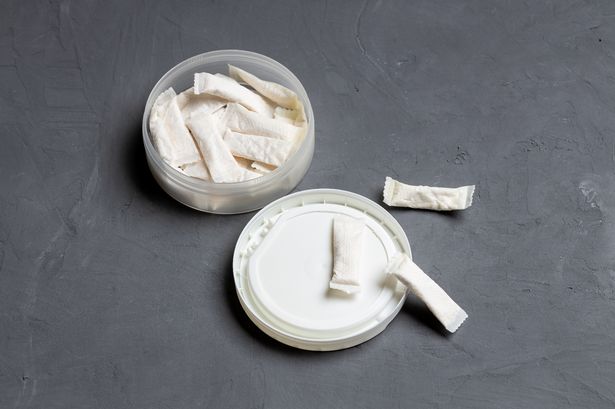
The use of nicotine pouches, commonly referred to as snus, among individuals under the age of 18 has increased significantly. This trend raises serious health concerns, as many young users perceive these pouches as more discreet alternatives to traditional smoking and vaping. Despite their high nicotine content, which can reach up to 100 mg—equivalent to the nicotine found in ten cigarettes—these products remain legal for minors to purchase in most retail outlets.
According to the Sunday Mail, some retailers have been found marketing these nicotine pouches in a manner that appeals to younger consumers, even packaging them similarly to sweets. A study conducted in Scotland indicates that adolescents often prefer these strong nicotine products due to their inconspicuous nature, which allows them to use them without detection by teachers.
Health Risks and Legislative Response
While the appeal of nicotine pouches is evident, young users report various adverse effects, including gum pain, throat irritation, nausea, sweating, and fainting. Despite these risks, some teenagers mistakenly believe that using snus is a healthier option compared to smoking or vaping. A male student expressed this sentiment by stating, “I’d rather have worse gums than worse lungs.”
The UK Government has recognized the need for stricter regulations regarding nicotine pouches. The proposed Tobacco and Vapes Bill aims to impose age restrictions on these products, aligning them with regulations for other nicotine-based items. This legislation is currently progressing through the House of Lords.
Rising Awareness Among Educators
A comprehensive study by the Scottish Centre for Social Research (ScotCen) highlights the growing prevalence of snus among school-aged children, particularly those aged 14 to 16. The research involved focus groups with 77 pupils and interviews with 13 school staff members across four schools. It found that while educators are generally aware of vaping, they have limited knowledge about the use of nicotine pouches.
Andy MacGregor, ScotCen’s policy research director, emphasized the challenges posed by these products. He stated, “These products are being used under the radar in schools. They pose a unique challenge for teachers, parents, and policymakers. Stronger regulation and better public health messaging are urgently needed.”
In light of these findings, health advocates are urging for immediate action. Sheila Duffy, CEO of ASH Scotland, commented on the situation, saying, “With recreational nicotine use by young people a major health concern, it is vital that the visibility and availability of nicotine pouches is tackled.” She called for swift legislative progress, highlighting the tobacco industry’s efforts to target younger generations with addictive products.
As discussions around the regulation of nicotine pouches continue, the implications for public health remain critical. The rise in usage among under-18s underscores the need for heightened awareness and proactive measures to protect young people from the potential harms associated with nicotine addiction.












Interstellar Object 3I/ATLAS Could Carry Life to Earth

Pacquiao Sons Rise in Boxing: Could They Face Off in the Ring?

Indonesia Seeks $3 Billion for Reconstruction After Floods

Manny Pacquiao’s Sons Rise in Boxing: Clash on the Horizon?

Shetland Islands Council Faces Scrutiny Over £9,500 Report

Trump Indicates Potential Intervention in Netflix-Warner Bros. Merger

Surge in Under-18s Using Snus Raises Health Concerns

Renowned Physicist Ivica Puljak Discusses Humanity’s Place in Space

Swinney Advocates Independence as Fresh Start, Criticizes Starmer

Ann Ming Reflects on ITV’s ‘I Fought the Law’ Drama

Kate Garraway Sells £2 Million Home Amid Financial Struggles

Katie Price Faces New Health Concerns After Cancer Symptoms Resurface

Coronation Street Fans React as Todd Faces Heartbreaking Choice

Coronation Street’s Carl Webster Faces Trouble with New Affairs

Kevin Sinfield Exceeds Fundraising Goal Ahead of Final Marathons

Bailey Announces Heartbreaking Split from Rebecca After Reunion

Where is Tinder Swindler Simon Leviev? Latest Updates Revealed

Two Stars Evicted from I’m A Celebrity Just Days Before Finale
-
 Entertainment3 months ago
Ann Ming Reflects on ITV’s ‘I Fought the Law’ Drama
-
 Entertainment4 months ago
Kate Garraway Sells £2 Million Home Amid Financial Struggles
-
 Health3 months ago
Katie Price Faces New Health Concerns After Cancer Symptoms Resurface
-
 Entertainment3 weeks ago
Coronation Street Fans React as Todd Faces Heartbreaking Choice
-
 Entertainment3 months ago
Coronation Street’s Carl Webster Faces Trouble with New Affairs
-
 World3 days ago
Kevin Sinfield Exceeds Fundraising Goal Ahead of Final Marathons
-
 World3 weeks ago
Bailey Announces Heartbreaking Split from Rebecca After Reunion
-
 Entertainment3 months ago
Where is Tinder Swindler Simon Leviev? Latest Updates Revealed
-
 Entertainment2 days ago
Two Stars Evicted from I’m A Celebrity Just Days Before Finale
-

 Entertainment4 months ago
Markiplier Addresses AI Controversy During Livestream Response
-

 Science2 months ago
Brian Cox Addresses Claims of Alien Probe in 3I/ATLAS Discovery
-

 Health5 months ago
Carol Vorderman Reflects on Health Scare and Family Support