
Health
Sixteen Diseases Linked to Increased Dementia Risk, Major Study Finds


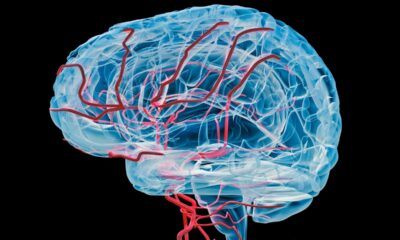
A recent study has identified sixteen diseases that may significantly increase the risk of developing dementia, a growing concern as nearly one million individuals in the UK currently live with some form of the condition. The research, published in the journal Nature Human Behaviour, sheds light on how illnesses unrelated to the brain could be linked to dementia risk, providing valuable insights for prevention strategies.
Dementia encompasses a range of neurological and neurodegenerative conditions, with Alzheimer’s disease being the most common form. As the number of people affected by dementia is expected to rise in the coming years, global researchers are focusing on both treatment advancements and risk reduction strategies.
The researchers from the Sun Yat-sen Clinical Research Cultivating Program in China analyzed data from the UK Biobank alongside prevalence statistics from the Global Burden of Disease Study, covering the period from 1990 to 2021. Their findings suggest that these sixteen diseases could account for approximately one-third of dementia cases worldwide. Given that the World Health Organization estimated around 57 million people were living with dementia in 2021, this could mean that nearly 19 million cases might be linked to the identified conditions.
The systematic review and Bayesian meta-analyses conducted by the researchers included a comprehensive search of 202 articles from PubMed until September 6, 2024. Their analysis revealed that the peripheral diseases associated with increased dementia risk remain underexplored at the population level. The researchers stated, “Growing evidence suggests that peripheral diseases serve as risk factors for dementia, but the population-level burden of dementia associated with various peripheral diseases has remained unknown.”
The timing of this research aligns with ongoing efforts to investigate potential treatments for dementia. A global study is currently examining 100 medications that could benefit dementia sufferers, including drugs originally developed for other health conditions.
Sheona Scales, director of Alzheimer’s Research UK, commented on the potential implications of the findings, noting, “Around a third of drugs in the pipeline are repurposed drugs and a really promising example of this is the drug semaglutide, which is currently being trialed in people with mild cognitive impairment.” She emphasized the significance of the current moment in dementia research, stating, “I think it’s fair to say today that we’re at a tipping point in dementia research as we understand more and more about the diseases that drive dementia.”
Scales highlighted that these insights open up opportunities to slow and potentially halt the progression of dementia. The announcement of the research findings underscores the collaborative efforts to translate scientific understanding into practical treatments, offering hope for those affected by this condition.











Belfast Gears Up for Vibrant St Patrick’s Day Parade on March 17

Cuba Faces Nationwide Blackout Amid Deepening Energy Crisis

Wirral Council to Restructure Leadership, Cutting Two Top Roles

Rethinking Resistance Training: Key Insights from US Experts

EU Membership on the Horizon: What It Means for Citizens

Ukrainian Drone Swarms Strike Moscow Region for Second Day

Henley Launches Innovative Initiative to Boost Local Economy

Court Ruling Allows Pandemic Tax Refund Claims Until 2026

Sean Penn’s Absence at 2026 Oscars Sparks Discussion

Coronation Street’s Shocking Murder Twist Reveals Family Secrets

Andrew Pierce Confirms Departure from ITV’s Good Morning Britain

Katie Price Faces New Health Concerns After Cancer Symptoms Resurface

Sue Radford Reveals Weight Loss Journey, Shedding 12–13 kg

Kate Garraway Sells £2 Million Home Amid Financial Struggles

Jordan Brook Faces Health Crisis in Hospital as Sophie Kasaei Stays Away

EastEnders’ Nicola Mitchell Faces Unexpected Pregnancy Crisis

Bailey Announces Heartbreaking Split from Rebecca After Reunion

Ann Ming Reflects on ITV’s ‘I Fought the Law’ Drama
-
 World4 months ago
Coronation Street’s Shocking Murder Twist Reveals Family Secrets
-
 Entertainment4 months ago
Andrew Pierce Confirms Departure from ITV’s Good Morning Britain
-
 Health7 months ago
Katie Price Faces New Health Concerns After Cancer Symptoms Resurface
-
 Health2 months ago
Sue Radford Reveals Weight Loss Journey, Shedding 12–13 kg
-
 Entertainment8 months ago
Kate Garraway Sells £2 Million Home Amid Financial Struggles
-
 Entertainment3 weeks ago
Jordan Brook Faces Health Crisis in Hospital as Sophie Kasaei Stays Away
-
 World5 months ago
EastEnders’ Nicola Mitchell Faces Unexpected Pregnancy Crisis
-
 World5 months ago
Bailey Announces Heartbreaking Split from Rebecca After Reunion
-
 Entertainment7 months ago
Ann Ming Reflects on ITV’s ‘I Fought the Law’ Drama
-

 Entertainment2 months ago
Selena Gomez’s Name Linked to Epstein: Examining the Claims
-

 Health7 months ago
TOWIE Stars Sophie Kasaei and Jordan Brook Pursue Fertility Treatment
-

 Health7 months ago
Fiona Phillips’ Husband Shares Heartbreaking Update on Her Health