
Health
Pharmacists Warn Against Health Risks of Microdosing Weight Loss Injections

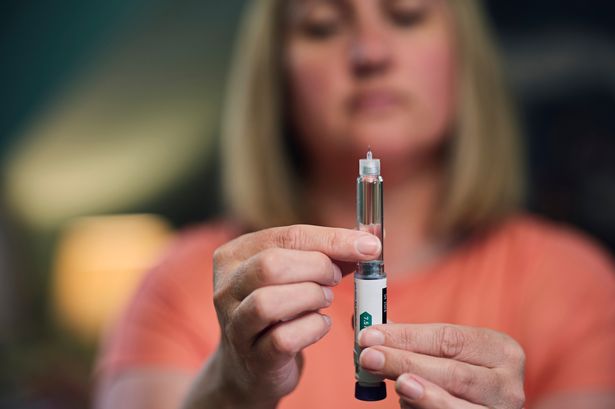
Pharmacists in the United Kingdom are raising alarms about the rising trend of microdosing weight loss injections, particularly the use of drugs like Mounjaro. A recent report from Chemist4U highlights significant hygiene concerns associated with the practice, as users increasingly opt to reuse needles to extend the life of their medication pens.
In just the past month, searches for “microdosing Mounjaro” surged by over 5,000%, indicating a growing number of individuals unaware of the potential health risks associated with this practice.
Health Risks of Needle Reuse
The misuse of needles poses serious health hazards, according to Jason Murphy, Head of Pharmacy and weight loss injection expert at Chemist4U. He states, “There has been an increase in weight loss injection users experimenting with their dosing, such as microdosing to make pens last longer.”
While there is limited research on the benefits of taking smaller doses, Murphy cautions that not adhering to the recommended dosage can exacerbate side effects and introduce additional unknown risks. He emphasizes the importance of following medication guidelines, which specify that medications like Mounjaro should be used according to the manufacturer’s instructions.
“By making your dose last longer, there’s also more risk of your medication expiring,” Murphy adds. For Mounjaro, the medication is only viable for 30 days after opening if kept under proper conditions, which include refrigeration between 2 and 8 degrees Celsius. Taking expired medication could diminish its effectiveness, leading to suboptimal treatment outcomes.
Consequences of Microdosing
Microdosing can lead to various serious health issues, particularly from needle reuse. One significant threat is bacterial contamination. Even a single reuse of a needle can create a buildup of harmful bacteria beneath the skin, increasing the likelihood of painful infections. Reusing needles not only raises the risk of infections but can also lead to redness and swelling, necessitating medical attention.
Moreover, blunt needles can cause unnecessary pain during subsequent injections. Once a needle has pierced the skin, it loses its sharpness, leading to discomfort and potential tissue damage. Repeated use of dull needles can create lasting irritation, complicating future injections.
Another critical concern is inaccurate dosing. A used needle may accumulate medication residue or become partially blocked, resulting in inconsistent delivery of the drug. This inconsistency can hinder treatment efficacy, slowing progress or causing unpredictable side effects.
Finally, repeated injections in the same area with reused needles can lead to a condition known as lipohypertrophy. This refers to the buildup of lumpy, scarred tissue under the skin, which can interfere with medication absorption and increase injection pain. Once lipohypertrophy develops, it can take considerable time to heal, necessitating careful rotation of injection sites to avoid further complications.
As the trend of microdosing continues to rise, it is essential for patients to be aware of the implications for their health. Following prescribed dosages and ensuring proper hygiene practices when using injections can significantly reduce the risks associated with these medications.











NASA’s SPHEREx Captures Stunning Flare from Comet 3I/ATLAS

Portsmouth Boss Hints at Injury Returns Ahead of Sheffield Clash

Octopus Energy Reveals Ideal Thermostat Settings for Savings

Emirates Set to Maintain Largest Boeing Widebody Fleet by 2026

Emirates Set to Dominate Boeing Widebody Market in 2026

Arc Raiders Developer Confirms Rotation of Map Conditions Will Continue

Mother Saves Weight but Faces Higher Energy Bills After Mounjaro

Tom Brady Responds to Controversy Amid Fan Pressure Before Super Bowl LX

UNIST Team Develops Efficient Photoelectrodes for Solar Water Splitting

Coronation Street’s Shocking Murder Twist Reveals Family Secrets

Andrew Pierce Confirms Departure from ITV’s Good Morning Britain

Katie Price Faces New Health Concerns After Cancer Symptoms Resurface

Sue Radford Reveals Weight Loss Journey, Shedding 12–13 kg

Kate Garraway Sells £2 Million Home Amid Financial Struggles

Ann Ming Reflects on ITV’s ‘I Fought the Law’ Drama

Bailey Announces Heartbreaking Split from Rebecca After Reunion

David Jason and Nicholas Lyndhurst Eye Reunion for Only Fools Anniversary

Coronation Street Fans React as Todd Faces Heartbreaking Choice
-
 World2 months ago
Coronation Street’s Shocking Murder Twist Reveals Family Secrets
-
 Entertainment2 months ago
Andrew Pierce Confirms Departure from ITV’s Good Morning Britain
-
 Health5 months ago
Katie Price Faces New Health Concerns After Cancer Symptoms Resurface
-
 Health2 weeks ago
Sue Radford Reveals Weight Loss Journey, Shedding 12–13 kg
-
 Entertainment6 months ago
Kate Garraway Sells £2 Million Home Amid Financial Struggles
-
 Entertainment5 months ago
Ann Ming Reflects on ITV’s ‘I Fought the Law’ Drama
-
 World3 months ago
Bailey Announces Heartbreaking Split from Rebecca After Reunion
-
 Entertainment2 months ago
David Jason and Nicholas Lyndhurst Eye Reunion for Only Fools Anniversary
-
 Entertainment3 months ago
Coronation Street Fans React as Todd Faces Heartbreaking Choice
-

 Entertainment2 months ago
Bradley Walsh Sparks Strictly Come Dancing Hosting Speculation
-

 World3 months ago
EastEnders’ Nicola Mitchell Faces Unexpected Pregnancy Crisis
-

 Entertainment2 months ago
Two Stars Evicted from I’m A Celebrity Just Days Before Finale