
Health
NHS Waiting Lists in North East Drop to Lowest Level Since 2023

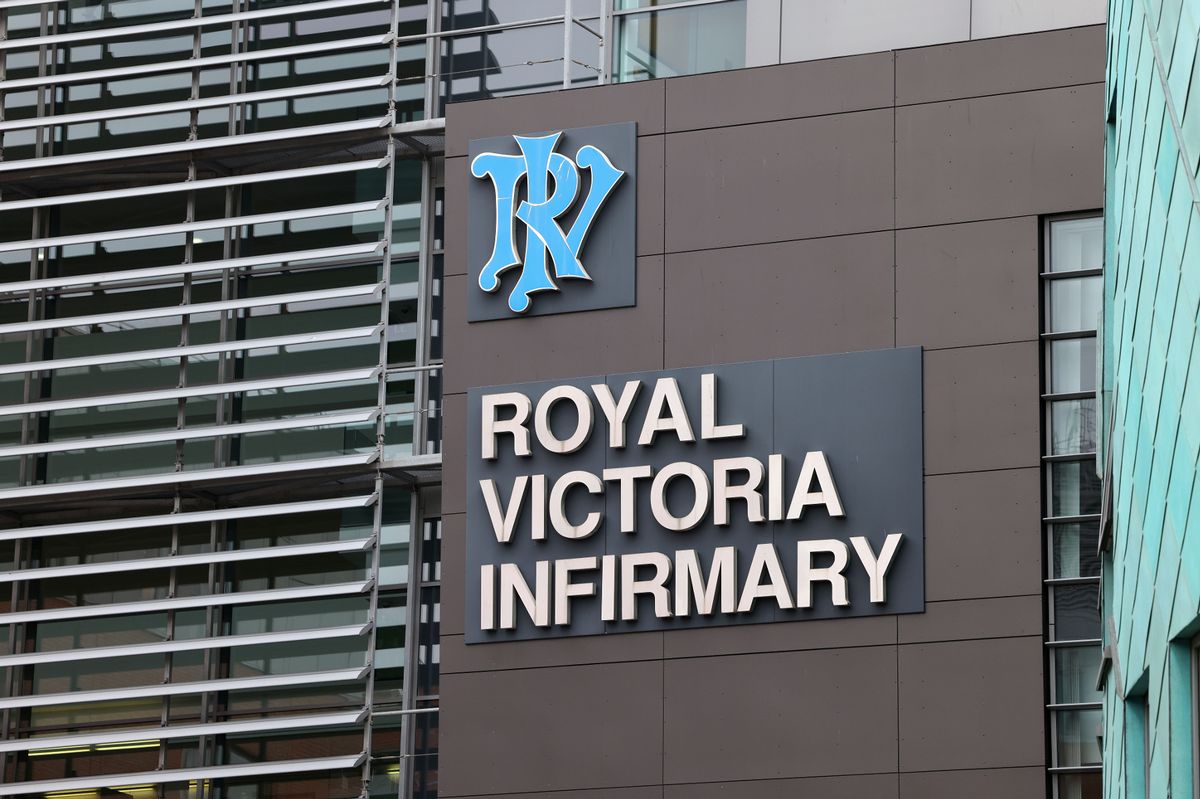
Recent data shows that NHS waiting lists in the North East of England have significantly decreased, reaching their lowest levels since 2023. The reduction is particularly notable at the Newcastle Hospitals NHS Trust, which has cut its waiting list by over 22,000 patients, contributing to a regional decline of nearly 30,000 individuals waiting for elective procedures compared to two years prior.
Across five hospital trusts in the North East, the number of patients on waiting lists fell from 109,112 in October 2023 to 86,465 in November 2025. This represents a drop of more than 20%. The Newcastle Hospitals NHS Trust, which oversees key facilities such as the Freeman and Royal Victoria Infirmary hospitals, now has fewer than 1,000 patients waiting for more than a year, a stark contrast to many similar-sized trusts.
Government Initiatives and Local Efforts
The recent improvements can be partly attributed to initiatives launched by the new Labour Government, which took office in the summer of 2024. The government deployed specialized teams to NHS trusts in economically inactive areas to address waiting lists and enhance healthcare services. Notably, the Newcastle Hospitals NHS Trust was among those targeted for support.
While government intervention played a role, local efforts have also been crucial. Much of the progress in reducing waiting lists has been achieved through internal measures at the trust. The latest figures indicate that three out of the four other regional hospital trusts also experienced declines in waiting lists during this period.
At Northumbria Healthcare, for instance, the waiting list increased slightly, with 34,936 patients on record in November 2025. However, an impressive 82% of these patients have been waiting less than 18 weeks for treatment, reflecting one of the best performances in the country.
Improvements and Future Challenges
Health Secretary Wes Streeting expressed optimism about the recent reductions, stating, “For too long, patients were promised change in the NHS but saw little of it. This Government is turning promises into change people can actually feel.” He noted that waiting lists have decreased by more than 312,000 nationally, leading to improved treatment timelines for patients.
The data also revealed that in November, the number of patients removed from the NHS waiting list for reasons other than receiving treatment increased to approximately 346,300, up from about 264,000 the previous month. The reasons for this increase remain unclear, although it may indicate that some treatment journeys were completed but not recorded promptly.
Despite these positive developments, concerns remain regarding the overall demand on NHS services. Rory Deighton, acute and community care director at the NHS Confederation, emphasized that while the decrease in waiting lists is commendable, the NHS continues to face significant pressure, with high patient volumes expected throughout December and beyond.
As the North East’s hospital trusts strive to maintain and improve these gains, the focus will remain on ensuring timely access to care for all patients, particularly those who have experienced extended waits. The region’s healthcare system is at a pivotal moment, balancing the triumphs of the past months with the ongoing challenges of increasing demand.









Belfast Gears Up for Vibrant St Patrick’s Day Parade on March 17

Cuba Faces Nationwide Blackout Amid Deepening Energy Crisis

Wirral Council to Restructure Leadership, Cutting Two Top Roles

Rethinking Resistance Training: Key Insights from US Experts

EU Membership on the Horizon: What It Means for Citizens

Ukrainian Drone Swarms Strike Moscow Region for Second Day

Henley Launches Innovative Initiative to Boost Local Economy

Court Ruling Allows Pandemic Tax Refund Claims Until 2026

Sean Penn’s Absence at 2026 Oscars Sparks Discussion

Coronation Street’s Shocking Murder Twist Reveals Family Secrets

Andrew Pierce Confirms Departure from ITV’s Good Morning Britain

Katie Price Faces New Health Concerns After Cancer Symptoms Resurface

Sue Radford Reveals Weight Loss Journey, Shedding 12–13 kg

Kate Garraway Sells £2 Million Home Amid Financial Struggles

Jordan Brook Faces Health Crisis in Hospital as Sophie Kasaei Stays Away

EastEnders’ Nicola Mitchell Faces Unexpected Pregnancy Crisis

Bailey Announces Heartbreaking Split from Rebecca After Reunion

Ann Ming Reflects on ITV’s ‘I Fought the Law’ Drama
-
 World4 months ago
Coronation Street’s Shocking Murder Twist Reveals Family Secrets
-
 Entertainment4 months ago
Andrew Pierce Confirms Departure from ITV’s Good Morning Britain
-
 Health7 months ago
Katie Price Faces New Health Concerns After Cancer Symptoms Resurface
-
 Health2 months ago
Sue Radford Reveals Weight Loss Journey, Shedding 12–13 kg
-
 Entertainment8 months ago
Kate Garraway Sells £2 Million Home Amid Financial Struggles
-
 Entertainment3 weeks ago
Jordan Brook Faces Health Crisis in Hospital as Sophie Kasaei Stays Away
-
 World5 months ago
EastEnders’ Nicola Mitchell Faces Unexpected Pregnancy Crisis
-
 World5 months ago
Bailey Announces Heartbreaking Split from Rebecca After Reunion
-
 Entertainment7 months ago
Ann Ming Reflects on ITV’s ‘I Fought the Law’ Drama
-

 Entertainment2 months ago
Selena Gomez’s Name Linked to Epstein: Examining the Claims
-

 Health7 months ago
TOWIE Stars Sophie Kasaei and Jordan Brook Pursue Fertility Treatment
-

 Health7 months ago
Fiona Phillips’ Husband Shares Heartbreaking Update on Her Health