
Health
NHS Faces Crisis with 55% Surge in Hospital Flu Cases


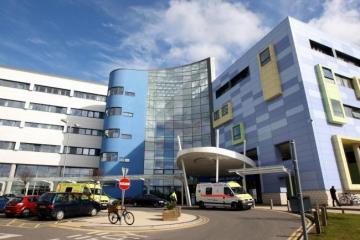
The UK’s National Health Service (NHS) is grappling with an alarming increase in hospital admissions due to a severe outbreak of influenza, commonly referred to as “superflu.” Recent figures reveal that hospital cases surged by 55 percent in just one week, from 1,968 on November 30 to 2,781 on December 7. Prime Minister Sir Keir Starmer has urged the public to exercise caution as the NHS faces what officials describe as its worst-case winter scenario.
Challenging Winter for Healthcare System
According to NHS officials, the current number of patients requiring hospitalization for flu is equivalent to filling three hospitals. Among these, dozens are receiving intensive care. The rapid spread of a mutated strain of the virus has led to dwindling stocks of vaccines, over-the-counter medications, and hygiene products. The ongoing crisis is compounded by a looming five-day strike by resident doctors, formerly known as junior doctors, scheduled to commence on December 17.
Professor Meghana Pandit, medical director at NHS England, stated, “This unprecedented wave of superflu is leaving the NHS facing a worst-case scenario for this time of year. The number of patients in hospital with flu is extremely high for this time of year and continues to rise.” She added that the peak of the outbreak is not yet in sight, indicating a challenging few weeks ahead for healthcare providers.
The flu season has started unusually early, exacerbated by low immunity levels attributed to the mutated strain. Health professionals have raised alarms particularly for babies and young children, who face a higher risk of severe complications from the virus. Professor Sir Andrew Pollard from Oxford University noted that while it is uncommon for the healthcare system to experience such high demand at this time of year, the peak of cases may soon pass.
Broader Health Concerns and Systemic Strain
In addition to the flu outbreak, the UK Health Security Agency has reported rising cases of norovirus and respiratory syncytial virus (RSV). This confluence of illnesses threatens to overwhelm a healthcare system already strained by record demand, labor strikes, and staff shortages. Recent statistics show that waiting lists for treatment have increased, rising from 7.39 million to 7.4 million in October, as hospitals struggle to manage patient flow.
Hospital emergency departments are under severe pressure, with over 51,000 patients waiting twelve hours or longer for a bed in November and approximately 54,000 in October. A recent study highlighted that patients now face a one in five chance of being treated in a corridor or waiting room during visits to emergency facilities. “We are witnessing the appalling reality of corridor care on an unprecedented scale,” commented Dr. Vicky Price of the Society of Acute Medicine.
Over the past week, at least half a dozen hospitals have declared critical incidents due to extreme pressures on wards and emergency services. The NHS has advised the public to visit emergency departments only for genuine emergencies, following a significant number of visits for non-urgent issues.
The impending strike by resident doctors, scheduled from December 17 to 22, adds another layer of complexity to the crisis. Health Secretary Wes Streeting has made a final offer to the doctors in an effort to avert the strike, which will be put to a vote among British Medical Association (BMA) members. The offer includes priority access to jobs for UK graduates, additional training positions, and funding for exams and professional fees.
Despite the government’s proposals, union hardliners within the BMA are urging members to reject the offer, advocating for continued strike action due to dissatisfaction with pay. In response, Prime Minister Starmer emphasized the importance of accepting the government’s proposal, stating, “It’d be irresponsible of the BMA to push through with strike action.” He believes many resident doctors do not wish to strike and urged the BMA to act responsibly.
This winter, as the NHS faces unprecedented challenges, the focus remains on managing the immediate public health crisis while addressing deeper systemic issues that have plagued the healthcare system throughout the year.












Belfast Gears Up for Vibrant St Patrick’s Day Parade on March 17

Cuba Faces Nationwide Blackout Amid Deepening Energy Crisis

Wirral Council to Restructure Leadership, Cutting Two Top Roles

Rethinking Resistance Training: Key Insights from US Experts

EU Membership on the Horizon: What It Means for Citizens

Ukrainian Drone Swarms Strike Moscow Region for Second Day

Henley Launches Innovative Initiative to Boost Local Economy

Court Ruling Allows Pandemic Tax Refund Claims Until 2026

Sean Penn’s Absence at 2026 Oscars Sparks Discussion

Coronation Street’s Shocking Murder Twist Reveals Family Secrets

Andrew Pierce Confirms Departure from ITV’s Good Morning Britain

Katie Price Faces New Health Concerns After Cancer Symptoms Resurface

Sue Radford Reveals Weight Loss Journey, Shedding 12–13 kg

Kate Garraway Sells £2 Million Home Amid Financial Struggles

Jordan Brook Faces Health Crisis in Hospital as Sophie Kasaei Stays Away

EastEnders’ Nicola Mitchell Faces Unexpected Pregnancy Crisis

Bailey Announces Heartbreaking Split from Rebecca After Reunion

Ann Ming Reflects on ITV’s ‘I Fought the Law’ Drama
-
 World4 months ago
Coronation Street’s Shocking Murder Twist Reveals Family Secrets
-
 Entertainment4 months ago
Andrew Pierce Confirms Departure from ITV’s Good Morning Britain
-
 Health7 months ago
Katie Price Faces New Health Concerns After Cancer Symptoms Resurface
-
 Health2 months ago
Sue Radford Reveals Weight Loss Journey, Shedding 12–13 kg
-
 Entertainment8 months ago
Kate Garraway Sells £2 Million Home Amid Financial Struggles
-
 Entertainment3 weeks ago
Jordan Brook Faces Health Crisis in Hospital as Sophie Kasaei Stays Away
-
 World5 months ago
EastEnders’ Nicola Mitchell Faces Unexpected Pregnancy Crisis
-
 World5 months ago
Bailey Announces Heartbreaking Split from Rebecca After Reunion
-
 Entertainment7 months ago
Ann Ming Reflects on ITV’s ‘I Fought the Law’ Drama
-

 Entertainment2 months ago
Selena Gomez’s Name Linked to Epstein: Examining the Claims
-

 Health7 months ago
TOWIE Stars Sophie Kasaei and Jordan Brook Pursue Fertility Treatment
-

 Health7 months ago
Fiona Phillips’ Husband Shares Heartbreaking Update on Her Health