
Health
New Research Reveals Impact of Weight Loss Injections on Body

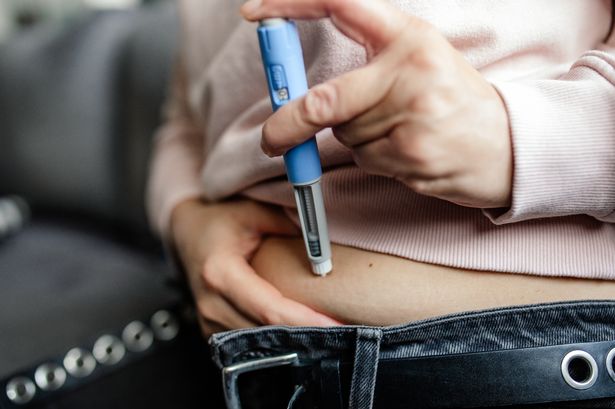
The rising popularity of weight loss injections such as Wegovy and Mounjaro has garnered considerable attention, but recent research indicates that the benefits may not be enduring. A study released in 2023 highlights how these medications affect the body and explains the reasons behind potential weight regain after discontinuation.
Weight loss injections work by mimicking certain hormones that help regulate appetite and metabolism. Specifically, they target the glucagon-like peptide-1 (GLP-1) receptor, which plays a crucial role in controlling hunger signals and reducing caloric intake. Patients who utilize these medications can experience significant initial weight loss, with some reporting reductions of up to 15% of their body weight within a year.
Despite the promising results, experts are cautioning that the effects may diminish after stopping the injections. According to research published in the journal Obesity, individuals often regain most of the weight lost once they cease treatment. This phenomenon can be attributed to several factors, including changes in metabolism and appetite regulation.
Understanding the Mechanism
When individuals start taking weight loss injections, they often find it easier to stick to a low-calorie diet due to reduced hunger. The injections help regulate insulin levels and enhance the body’s ability to burn fat. However, once treatment is halted, the body’s natural appetite regulation may revert, leading to increased hunger and cravings.
Dr. Sarah Thompson, a leading endocrinologist at the University of California, explains, “The body is incredibly adaptive. When weight loss occurs, the metabolism can slow down, and hunger signals may increase, making it challenging to maintain the lower weight without continued intervention.”
Furthermore, the psychological aspect of weight loss plays a significant role. Many individuals may also struggle with maintaining motivation and adherence to a healthy lifestyle after stopping the injections. This can lead to emotional eating or reverting to old habits, contributing to weight regain.
Long-term Implications
The implications of these findings are significant, particularly for healthcare providers and patients considering weight loss injections. While medications like Wegovy and Mounjaro can be effective tools for weight management, they may not serve as a permanent solution. Continuous follow-up and support are essential for individuals who discontinue treatment to help them maintain a healthy lifestyle.
Financially, the costs of these medications can be a consideration for many. In the United States, the price of a monthly supply of Wegovy can exceed $1,300, with similar costs for Mounjaro. This places a financial burden on individuals requiring long-term use.
As discussions around weight loss treatments evolve, the need for comprehensive strategies that include lifestyle changes, dietary adjustments, and psychological support becomes increasingly clear. Experts stress the importance of a multidisciplinary approach to weight management that goes beyond medication.
In summary, while weight loss injections like Wegovy and Mounjaro offer promising results, the reality is that maintaining weight loss requires more than just medication. Understanding the mechanisms behind weight regain after stopping treatment is essential for individuals and healthcare providers alike. Continued research and support will be vital in navigating the complex landscape of weight management.












Belfast Gears Up for Vibrant St Patrick’s Day Parade on March 17

Cuba Faces Nationwide Blackout Amid Deepening Energy Crisis

Wirral Council to Restructure Leadership, Cutting Two Top Roles

Rethinking Resistance Training: Key Insights from US Experts

EU Membership on the Horizon: What It Means for Citizens

Ukrainian Drone Swarms Strike Moscow Region for Second Day

Henley Launches Innovative Initiative to Boost Local Economy

Court Ruling Allows Pandemic Tax Refund Claims Until 2026

Sean Penn’s Absence at 2026 Oscars Sparks Discussion

Coronation Street’s Shocking Murder Twist Reveals Family Secrets

Andrew Pierce Confirms Departure from ITV’s Good Morning Britain

Katie Price Faces New Health Concerns After Cancer Symptoms Resurface

Sue Radford Reveals Weight Loss Journey, Shedding 12–13 kg

Kate Garraway Sells £2 Million Home Amid Financial Struggles

Jordan Brook Faces Health Crisis in Hospital as Sophie Kasaei Stays Away

EastEnders’ Nicola Mitchell Faces Unexpected Pregnancy Crisis

Bailey Announces Heartbreaking Split from Rebecca After Reunion

Ann Ming Reflects on ITV’s ‘I Fought the Law’ Drama
-
 World4 months ago
Coronation Street’s Shocking Murder Twist Reveals Family Secrets
-
 Entertainment4 months ago
Andrew Pierce Confirms Departure from ITV’s Good Morning Britain
-
 Health7 months ago
Katie Price Faces New Health Concerns After Cancer Symptoms Resurface
-
 Health3 months ago
Sue Radford Reveals Weight Loss Journey, Shedding 12–13 kg
-
 Entertainment8 months ago
Kate Garraway Sells £2 Million Home Amid Financial Struggles
-
 Entertainment4 weeks ago
Jordan Brook Faces Health Crisis in Hospital as Sophie Kasaei Stays Away
-
 World5 months ago
EastEnders’ Nicola Mitchell Faces Unexpected Pregnancy Crisis
-
 World5 months ago
Bailey Announces Heartbreaking Split from Rebecca After Reunion
-
 Entertainment7 months ago
Ann Ming Reflects on ITV’s ‘I Fought the Law’ Drama
-

 Entertainment2 months ago
Selena Gomez’s Name Linked to Epstein: Examining the Claims
-

 Health7 months ago
TOWIE Stars Sophie Kasaei and Jordan Brook Pursue Fertility Treatment
-

 Health7 months ago
Fiona Phillips’ Husband Shares Heartbreaking Update on Her Health