
Health
Breakthrough Diabetes Trial in Birmingham Detects Disease Early

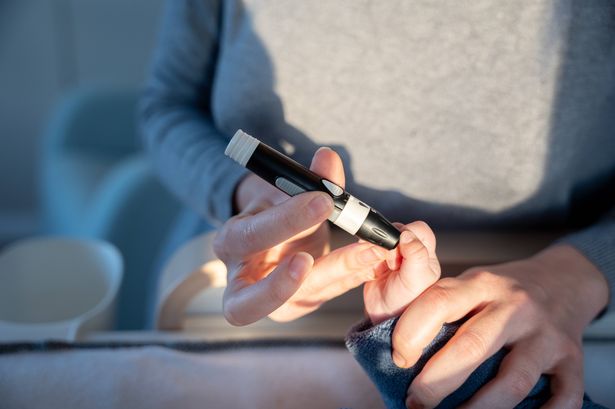
Groundbreaking research from the University of Birmingham has led to a significant advancement in the early detection of type 1 diabetes in children. The Early Surveillance for Autoimmune Diabetes (Elsa) study has demonstrated that finger prick blood tests can identify the disease before symptoms manifest, potentially transforming the lives of at-risk children.
Conducted with the support of Diabetes UK and Breakthrough T1D, the trial involved more than 17,931 tests on children aged 3 to 13. The results revealed that over 200 participants exhibited markers indicating a risk of type 1 diabetes. Following this initial screening, children identified as at risk underwent additional blood or glucose tolerance tests.
Expanding the Trial’s Reach
The second phase of the study will broaden the age range to include children from 2 to 17. As part of this expansion, the National Health Service (NHS) plans to establish clinics that will offer support to families whose children are at risk. This proactive approach aims to address a significant concern: currently, more than a quarter of children diagnosed with type 1 diabetes do so only after developing diabetic ketoacidosis (DKA), a serious and potentially life-threatening condition.
Professor Neil Hanley, Pro-Vice-Chancellor and Head of the College of Medicine and Health at the University of Birmingham, emphasized the importance of this trial, stating, “This is a game-changer. This trial shows we can spare countless children the trauma of an emergency diagnosis, ensure they get early support, and potentially give them access to revolutionary new treatments that could delay or even prevent type 1 diabetes.”
Community Impact and Future Prospects
This trial not only highlights the capabilities of Birmingham’s medical community but also showcases the collaboration between world-class clinicians and scientists in the region. Dr. Parth Narendran and his team have been praised for their pivotal role in this breakthrough, which demonstrates the potential for innovative diagnostics and therapeutics in clinical care.
West Midlands Mayor Richard Parker expressed pride in the research, stating, “I’m very proud to see this impactful research being done by the University of Birmingham. They are improving the lives of children by developing more effective early screening techniques for type 1 diabetes.” He also acknowledged the invaluable contributions of families who participated in the trial, recognizing their role in advancing medical research.
As the Elsa study continues, the hope is that early detection will not only reduce emergency diagnoses but also provide children with access to new immunotherapy treatments. These treatments have the potential to delay the onset of insulin dependency, offering a brighter future for those at risk of developing type 1 diabetes.











Belfast Gears Up for Vibrant St Patrick’s Day Parade on March 17

Cuba Faces Nationwide Blackout Amid Deepening Energy Crisis

Wirral Council to Restructure Leadership, Cutting Two Top Roles

Rethinking Resistance Training: Key Insights from US Experts

EU Membership on the Horizon: What It Means for Citizens

Ukrainian Drone Swarms Strike Moscow Region for Second Day

Henley Launches Innovative Initiative to Boost Local Economy

Court Ruling Allows Pandemic Tax Refund Claims Until 2026

Sean Penn’s Absence at 2026 Oscars Sparks Discussion

Coronation Street’s Shocking Murder Twist Reveals Family Secrets

Andrew Pierce Confirms Departure from ITV’s Good Morning Britain

Katie Price Faces New Health Concerns After Cancer Symptoms Resurface

Sue Radford Reveals Weight Loss Journey, Shedding 12–13 kg

Kate Garraway Sells £2 Million Home Amid Financial Struggles

Jordan Brook Faces Health Crisis in Hospital as Sophie Kasaei Stays Away

EastEnders’ Nicola Mitchell Faces Unexpected Pregnancy Crisis

Bailey Announces Heartbreaking Split from Rebecca After Reunion

Ann Ming Reflects on ITV’s ‘I Fought the Law’ Drama
-
 World4 months ago
Coronation Street’s Shocking Murder Twist Reveals Family Secrets
-
 Entertainment4 months ago
Andrew Pierce Confirms Departure from ITV’s Good Morning Britain
-
 Health7 months ago
Katie Price Faces New Health Concerns After Cancer Symptoms Resurface
-
 Health2 months ago
Sue Radford Reveals Weight Loss Journey, Shedding 12–13 kg
-
 Entertainment8 months ago
Kate Garraway Sells £2 Million Home Amid Financial Struggles
-
 Entertainment3 weeks ago
Jordan Brook Faces Health Crisis in Hospital as Sophie Kasaei Stays Away
-
 World5 months ago
EastEnders’ Nicola Mitchell Faces Unexpected Pregnancy Crisis
-
 World5 months ago
Bailey Announces Heartbreaking Split from Rebecca After Reunion
-
 Entertainment7 months ago
Ann Ming Reflects on ITV’s ‘I Fought the Law’ Drama
-

 Entertainment2 months ago
Selena Gomez’s Name Linked to Epstein: Examining the Claims
-

 Health7 months ago
TOWIE Stars Sophie Kasaei and Jordan Brook Pursue Fertility Treatment
-

 Health7 months ago
Fiona Phillips’ Husband Shares Heartbreaking Update on Her Health