
Health
Alice Loxton Explores Georgian Healthcare’s Quirks and Conflicts

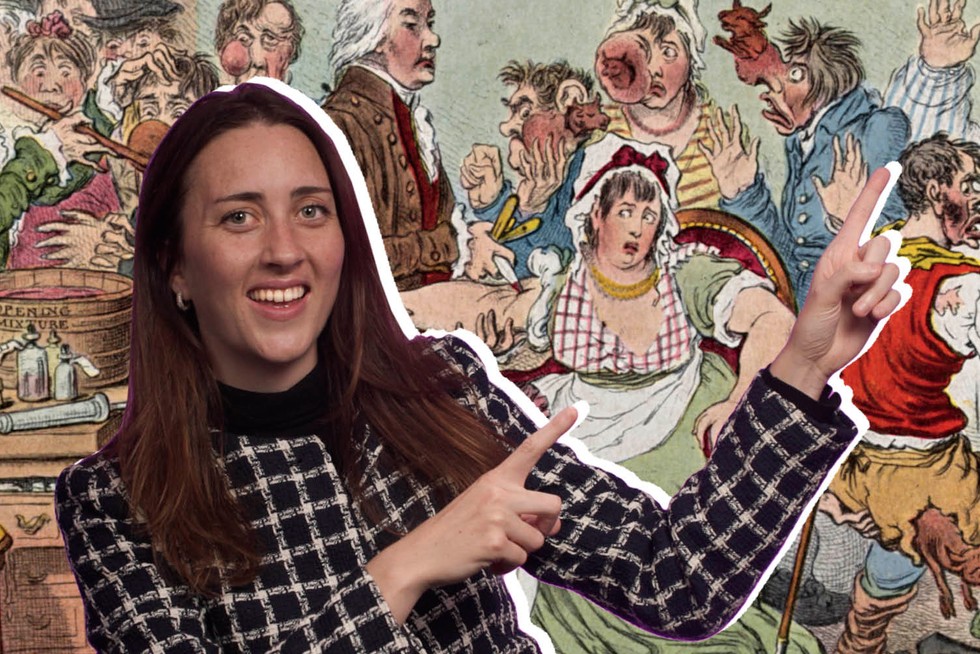
In the latest episode of her series, Alice Loxton delves into the complexities of healthcare during Georgian Britain, highlighting the stark contrasts between genuine medical advancements and fraudulent practices. The episode, which is the fourth installment, examines how the era’s medical landscape was characterized by a blend of innovative science and dubious treatments, capturing the public’s anxieties and misconceptions about health.
Loxton’s investigation reveals that the 18th century was a time of both significant medical progress and rampant charlatanism. Artists like James Gillray played a pivotal role in shaping public perceptions through satire, mocking the chaotic nature of healthcare during this period. Their work often highlighted the confusion surrounding medical practices, allowing audiences to laugh at the absurdities of miracle cures and the prevalence of quackery.
Healthcare’s Dual Nature
In Georgian Britain, the healthcare system was rife with contradictions. While genuine scientific breakthroughs emerged, many individuals sought out unverified treatments from self-proclaimed healers. This led to a public environment where uncertainty reigned, with people torn between the allure of miraculous cures and the emerging trust in legitimate medical advancements.
Loxton’s exploration also touches upon the controversial topic of early vaccination. At the time, the practice was met with skepticism, and the effectiveness of vaccines was not universally accepted. The episode illustrates how caricature art became a powerful tool to express societal fears and misunderstandings surrounding these new medical practices.
The interplay of science and superstition during this time is a focal point of the episode. Loxton emphasizes that while some individuals were advocating for reform and scientific rigor, others were drawn into the web of deceit spun by opportunistic quacks. This tension between progress and deception serves as a reminder of the ongoing struggles within the medical field.
Public Perception and Satire
The role of satire in shaping public opinion cannot be overstated. Artists like Gillray used their platforms to critique and ridicule the promise of miracle cures, effectively raising awareness of the potential dangers associated with unproven treatments. Loxton’s analysis highlights how these humorous yet critical portrayals resonated with the public, reflecting their fears and frustrations.
As the episode unfolds, viewers gain insight into how healthcare in Georgian Britain was not merely a matter of science but also a reflection of societal values and beliefs. The caricatures of the time serve as historical documents, illustrating the prevailing attitudes toward health, illness, and the body.
In conclusion, Alice Loxton’s examination of Georgian healthcare provides a compelling look at how the intersection of science, satire, and public perception shaped medical practices in the 18th century. The episode invites audiences to reflect on the ongoing challenges within the healthcare system, drawing parallels between past and present. Through her engaging narrative, Loxton not only entertains but also educates, illuminating a fascinating chapter in the history of medicine.


Belfast Gears Up for Vibrant St Patrick’s Day Parade on March 17

Cuba Faces Nationwide Blackout Amid Deepening Energy Crisis

Wirral Council to Restructure Leadership, Cutting Two Top Roles

Rethinking Resistance Training: Key Insights from US Experts

EU Membership on the Horizon: What It Means for Citizens

Ukrainian Drone Swarms Strike Moscow Region for Second Day

Henley Launches Innovative Initiative to Boost Local Economy

Court Ruling Allows Pandemic Tax Refund Claims Until 2026

Sean Penn’s Absence at 2026 Oscars Sparks Discussion

Coronation Street’s Shocking Murder Twist Reveals Family Secrets

Andrew Pierce Confirms Departure from ITV’s Good Morning Britain

Katie Price Faces New Health Concerns After Cancer Symptoms Resurface

Sue Radford Reveals Weight Loss Journey, Shedding 12–13 kg

Kate Garraway Sells £2 Million Home Amid Financial Struggles

Jordan Brook Faces Health Crisis in Hospital as Sophie Kasaei Stays Away

EastEnders’ Nicola Mitchell Faces Unexpected Pregnancy Crisis

Bailey Announces Heartbreaking Split from Rebecca After Reunion

Ann Ming Reflects on ITV’s ‘I Fought the Law’ Drama
-
 World4 months ago
Coronation Street’s Shocking Murder Twist Reveals Family Secrets
-
 Entertainment4 months ago
Andrew Pierce Confirms Departure from ITV’s Good Morning Britain
-
 Health7 months ago
Katie Price Faces New Health Concerns After Cancer Symptoms Resurface
-
 Health3 months ago
Sue Radford Reveals Weight Loss Journey, Shedding 12–13 kg
-
 Entertainment8 months ago
Kate Garraway Sells £2 Million Home Amid Financial Struggles
-
 Entertainment4 weeks ago
Jordan Brook Faces Health Crisis in Hospital as Sophie Kasaei Stays Away
-
 World5 months ago
EastEnders’ Nicola Mitchell Faces Unexpected Pregnancy Crisis
-
 World5 months ago
Bailey Announces Heartbreaking Split from Rebecca After Reunion
-
 Entertainment7 months ago
Ann Ming Reflects on ITV’s ‘I Fought the Law’ Drama
-

 Entertainment2 months ago
Selena Gomez’s Name Linked to Epstein: Examining the Claims
-

 Health7 months ago
TOWIE Stars Sophie Kasaei and Jordan Brook Pursue Fertility Treatment
-

 Health8 months ago
Fiona Phillips’ Husband Shares Heartbreaking Update on Her Health