
Business
Dubai International Airport Surpasses Atlanta in Passenger Traffic

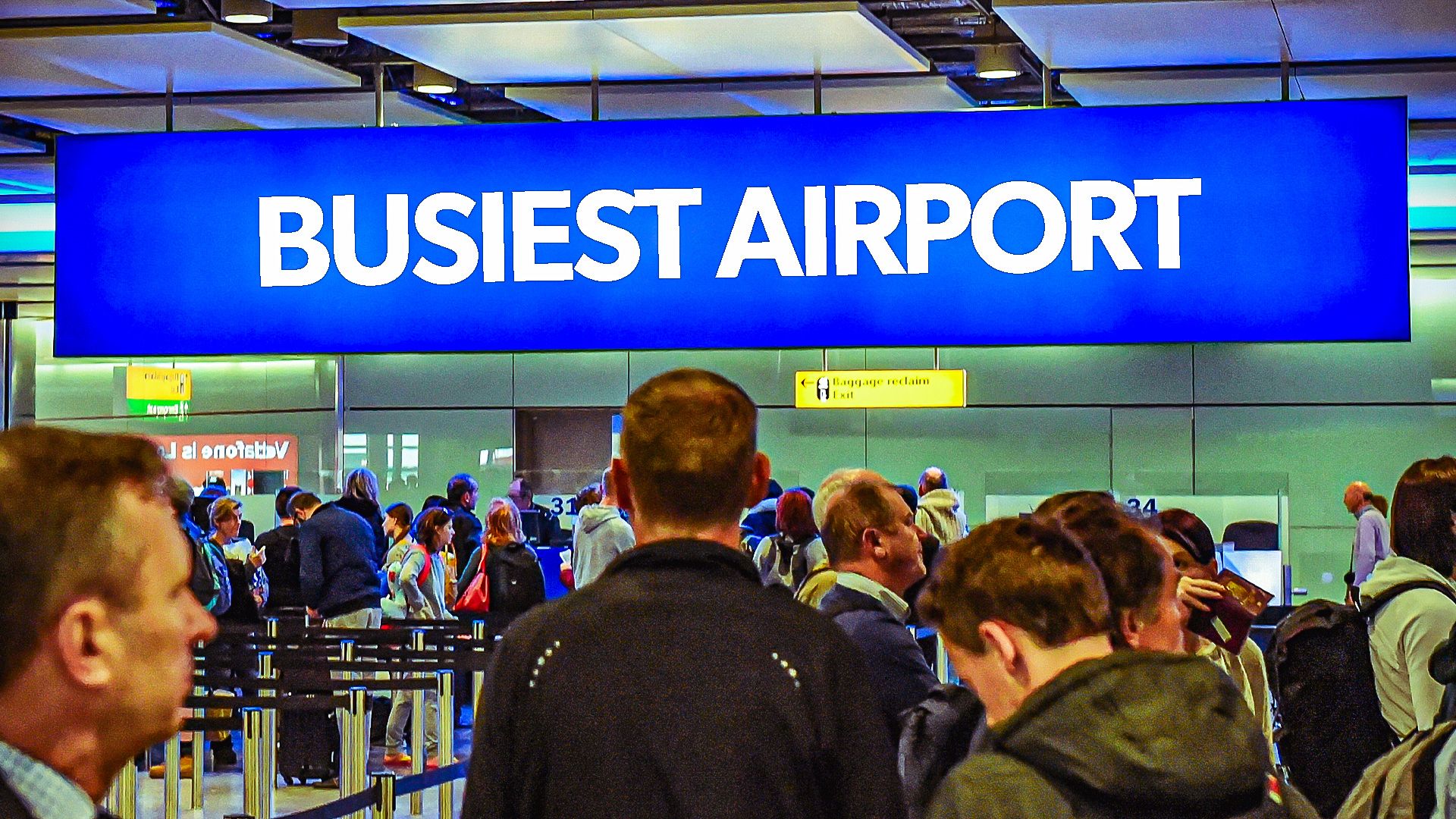
The title of the busiest airport in the world has seen a significant shift as of January 2026. For years, Hartsfield-Jackson Atlanta International Airport held the crown, but recent data indicates that Dubai International Airport has now taken the lead. In January alone, Dubai welcomed 5.5 million passengers, compared to Atlanta’s 4.9 million, marking a historic transition in global aviation.
As travel demand continues to rebound after the pandemic, understanding which airport holds the busiest title is essential for passengers, airlines, and governments alike. This information not only helps travelers anticipate wait times but also allows airlines to optimize their networks and enables governments to prioritize infrastructure investments. The competition for the top spot varies depending on how it is measured—by total seat capacity, international arrivals, or aircraft movements.
When considering the full calendar year of 2025, Atlanta retained its title with a remarkable 63.1 million seats. However, the surge in international travel has propelled Dubai into the spotlight. The airport recorded 62.4 million international passengers in 2025, surpassing its closest rival, London Heathrow, by over 13 million. This growth is indicative of a broader trend: the increasing prominence of international transit hubs in the Middle East and Asia.
Shifting Dynamics in Global Aviation
The metrics used to determine the busiest airport can vary significantly. Airports with a high volume of smaller regional jets can log more takeoffs and landings than those that primarily service larger aircraft. For example, airports like Chicago O’Hare and Dallas/Fort Worth often rank high in terms of aircraft movements due to their extensive domestic networks, while airports such as Dubai focus on fewer, larger aircraft.
Furthermore, geographical advantages play a crucial role. Airports like Dubai and Istanbul Airport benefit from their central locations, which allow them to capture growing travel markets in regions like India and Southeast Asia. The expansion capabilities of these airports, such as Istanbul’s ambitious six-runway plan, also contribute to their rising status. In comparison, older hubs like Heathrow face limitations that hinder their growth potential.
According to Paul Griffiths, CEO of Dubai Airports, the ambition for Dubai International is to achieve a target of 100 million annual passengers by the end of 2026, accelerating plans following a record-breaking December 2025 when the airport serviced 8.8 million passengers. This ambitious goal reflects a shift in the aviation balance of power, as experts from organizations like IATA and OAG emphasize the importance of infrastructure in maintaining a leading position.
Challenges Ahead for Major Hubs
Despite the impressive numbers, the competition for the busiest airport title comes with inherent challenges. Both Atlanta and Dubai are operating near their maximum capacity, which means that any significant disruption—such as severe weather—can lead to widespread delays. Maintaining this status also requires ongoing investment and infrastructure development, which may be impeded by various factors, including supply chain constraints.
The aviation industry is currently grappling with aircraft delivery backlogs from manufacturers like Boeing and Airbus, which may not normalize until the early 2030s. This situation presents a paradox: while travel demand is at an all-time high, the ability of airports to accommodate this demand is limited by the availability of aircraft.
Moreover, environmental regulations and public sentiment against overtourism are becoming increasingly stringent. For instance, Amsterdam Schiphol has faced pressure to reduce flights, highlighting how geopolitical and environmental factors can influence airport rankings overnight.
As 2026 unfolds, the landscape of global aviation is set for further transformation. Airports like Dubai and Istanbul are rapidly evolving, integrating advanced technologies such as AI-driven slot allocation and biometric boarding to enhance efficiency. The discussion surrounding the busiest airport is no longer just about passenger numbers; it now includes operational efficiency and sustainability.
In conclusion, while Hartsfield-Jackson Atlanta International Airport may have dominated historically, the rise of Dubai International Airport signals a new era in aviation. As international travel continues to surge, the importance of adapting to evolving trends and maintaining operational excellence will be crucial for airports worldwide. The competition will likely intensify, as the definition of “busiest” evolves to encompass a broader range of metrics beyond just foot traffic.











Belfast Gears Up for Vibrant St Patrick’s Day Parade on March 17

Cuba Faces Nationwide Blackout Amid Deepening Energy Crisis

Wirral Council to Restructure Leadership, Cutting Two Top Roles

Rethinking Resistance Training: Key Insights from US Experts

EU Membership on the Horizon: What It Means for Citizens

Ukrainian Drone Swarms Strike Moscow Region for Second Day

Henley Launches Innovative Initiative to Boost Local Economy

Court Ruling Allows Pandemic Tax Refund Claims Until 2026

Sean Penn’s Absence at 2026 Oscars Sparks Discussion

Coronation Street’s Shocking Murder Twist Reveals Family Secrets

Andrew Pierce Confirms Departure from ITV’s Good Morning Britain

Katie Price Faces New Health Concerns After Cancer Symptoms Resurface

Sue Radford Reveals Weight Loss Journey, Shedding 12–13 kg

Kate Garraway Sells £2 Million Home Amid Financial Struggles

Jordan Brook Faces Health Crisis in Hospital as Sophie Kasaei Stays Away

EastEnders’ Nicola Mitchell Faces Unexpected Pregnancy Crisis

Bailey Announces Heartbreaking Split from Rebecca After Reunion

Ann Ming Reflects on ITV’s ‘I Fought the Law’ Drama
-
 World4 months ago
Coronation Street’s Shocking Murder Twist Reveals Family Secrets
-
 Entertainment4 months ago
Andrew Pierce Confirms Departure from ITV’s Good Morning Britain
-
 Health7 months ago
Katie Price Faces New Health Concerns After Cancer Symptoms Resurface
-
 Health3 months ago
Sue Radford Reveals Weight Loss Journey, Shedding 12–13 kg
-
 Entertainment8 months ago
Kate Garraway Sells £2 Million Home Amid Financial Struggles
-
 Entertainment4 weeks ago
Jordan Brook Faces Health Crisis in Hospital as Sophie Kasaei Stays Away
-
 World5 months ago
EastEnders’ Nicola Mitchell Faces Unexpected Pregnancy Crisis
-
 World5 months ago
Bailey Announces Heartbreaking Split from Rebecca After Reunion
-
 Entertainment7 months ago
Ann Ming Reflects on ITV’s ‘I Fought the Law’ Drama
-

 Entertainment2 months ago
Selena Gomez’s Name Linked to Epstein: Examining the Claims
-

 Health7 months ago
TOWIE Stars Sophie Kasaei and Jordan Brook Pursue Fertility Treatment
-

 Health8 months ago
Fiona Phillips’ Husband Shares Heartbreaking Update on Her Health