
Health
Research Shows Pandemic May Have Aged Brains by Nearly Six Months

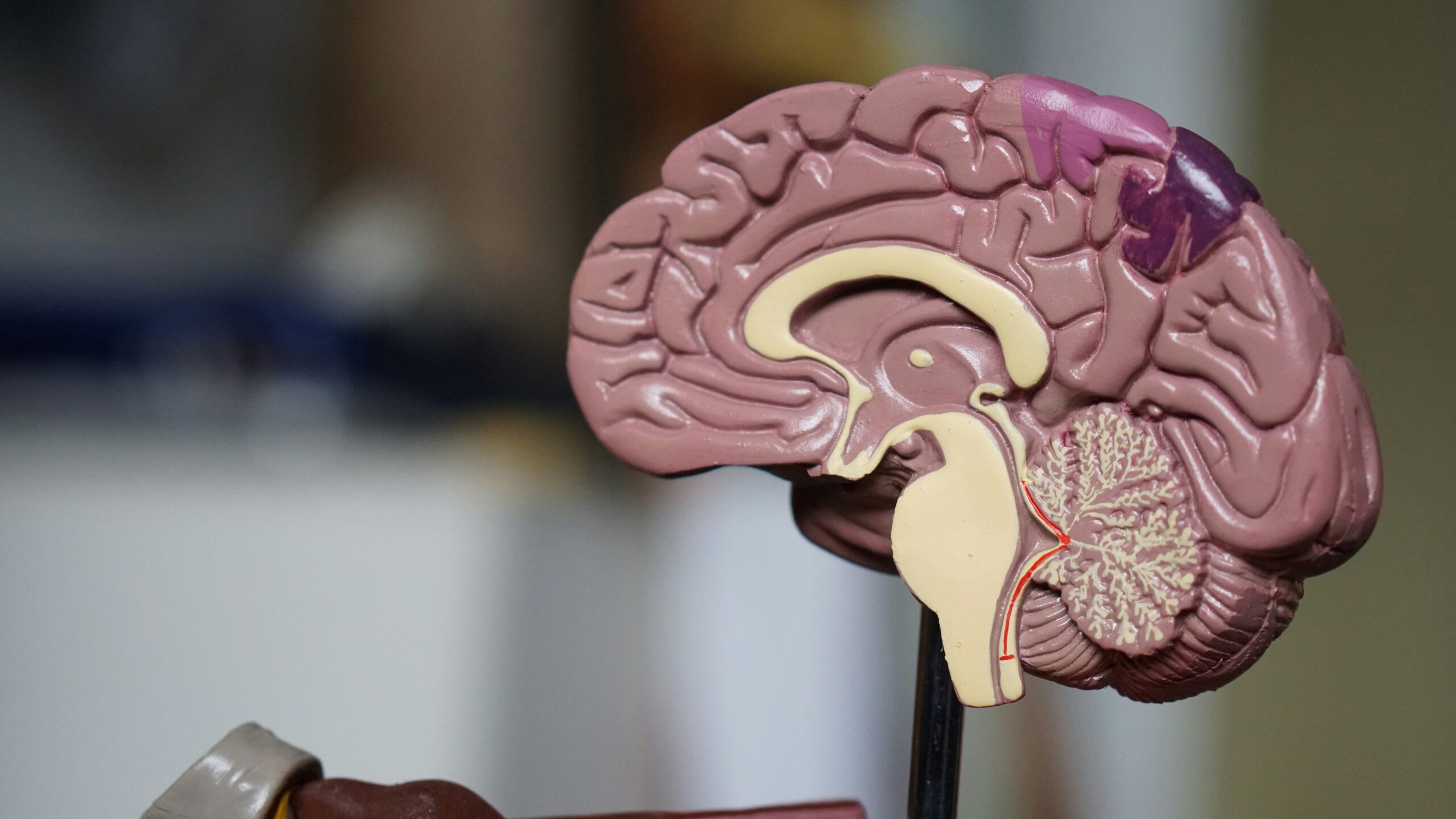
A recent study published in Nature Communications has revealed that the COVID-19 pandemic may have accelerated brain aging in individuals, regardless of whether they contracted the virus. Researchers found that the pandemic appears to have aged people’s brains by an average of 5.5 months, based on analyses of brain scans from nearly 1,000 healthy participants.
The research team utilized data from the UK Biobank, examining brain scans taken before and during the pandemic. By employing machine learning techniques and imaging data from over 15,000 brain scans, the scientists were able to predict the brain age of the participants. This analysis focused on comparable scans, ensuring participants were matched for gender, age, and health status.
Dr. Ali-Reza Mohammadi-Nejad, the study’s lead author, expressed surprise at the findings. “What surprised me most was that even people who hadn’t had COVID showed significant increases in brain aging rates,” he stated. This suggests that the pandemic’s broader impacts—such as isolation and uncertainty—may have negatively influenced brain health for many individuals.
The study did not delve into the specific reasons behind the observed acceleration in brain aging. However, the researchers indicated that men and those from socioeconomically disadvantaged backgrounds appeared to be affected more severely. They speculated that reduced social interaction and physical activity, alongside increased alcohol consumption during lockdowns, could contribute to these changes.
Dr. Dorothee Auer, a Professor of Neuroimaging and senior author on the study, emphasized the importance of environment in shaping brain health. “This study reminds us that brain health is shaped not only by illness, but by our everyday environment,” she said. “The pandemic put a strain on people’s lives, especially those already facing disadvantage. We can’t yet test whether the changes we saw will reverse, but it’s certainly possible, and that’s an encouraging thought.”
As the world begins to recover from the pandemic, these findings raise important questions about the long-term effects of social isolation and lifestyle changes induced by COVID-19. Understanding the potential for recovery and reversal of these changes will be crucial for public health strategies aimed at improving mental and cognitive health in the wake of this global crisis.











Belfast Gears Up for Vibrant St Patrick’s Day Parade on March 17

Cuba Faces Nationwide Blackout Amid Deepening Energy Crisis

Wirral Council to Restructure Leadership, Cutting Two Top Roles

Rethinking Resistance Training: Key Insights from US Experts

EU Membership on the Horizon: What It Means for Citizens

Ukrainian Drone Swarms Strike Moscow Region for Second Day

Henley Launches Innovative Initiative to Boost Local Economy

Court Ruling Allows Pandemic Tax Refund Claims Until 2026

Sean Penn’s Absence at 2026 Oscars Sparks Discussion

Coronation Street’s Shocking Murder Twist Reveals Family Secrets

Andrew Pierce Confirms Departure from ITV’s Good Morning Britain

Katie Price Faces New Health Concerns After Cancer Symptoms Resurface

Sue Radford Reveals Weight Loss Journey, Shedding 12–13 kg

Kate Garraway Sells £2 Million Home Amid Financial Struggles

Jordan Brook Faces Health Crisis in Hospital as Sophie Kasaei Stays Away

EastEnders’ Nicola Mitchell Faces Unexpected Pregnancy Crisis

Bailey Announces Heartbreaking Split from Rebecca After Reunion

Ann Ming Reflects on ITV’s ‘I Fought the Law’ Drama
-
 World4 months ago
Coronation Street’s Shocking Murder Twist Reveals Family Secrets
-
 Entertainment4 months ago
Andrew Pierce Confirms Departure from ITV’s Good Morning Britain
-
 Health7 months ago
Katie Price Faces New Health Concerns After Cancer Symptoms Resurface
-
 Health2 months ago
Sue Radford Reveals Weight Loss Journey, Shedding 12–13 kg
-
 Entertainment8 months ago
Kate Garraway Sells £2 Million Home Amid Financial Struggles
-
 Entertainment3 weeks ago
Jordan Brook Faces Health Crisis in Hospital as Sophie Kasaei Stays Away
-
 World5 months ago
EastEnders’ Nicola Mitchell Faces Unexpected Pregnancy Crisis
-
 World5 months ago
Bailey Announces Heartbreaking Split from Rebecca After Reunion
-
 Entertainment7 months ago
Ann Ming Reflects on ITV’s ‘I Fought the Law’ Drama
-

 Entertainment2 months ago
Selena Gomez’s Name Linked to Epstein: Examining the Claims
-

 Health7 months ago
TOWIE Stars Sophie Kasaei and Jordan Brook Pursue Fertility Treatment
-

 Health7 months ago
Fiona Phillips’ Husband Shares Heartbreaking Update on Her Health