
Health
FDA Approves Beetroot Red Dye, Advancing Natural Food Color Alternatives

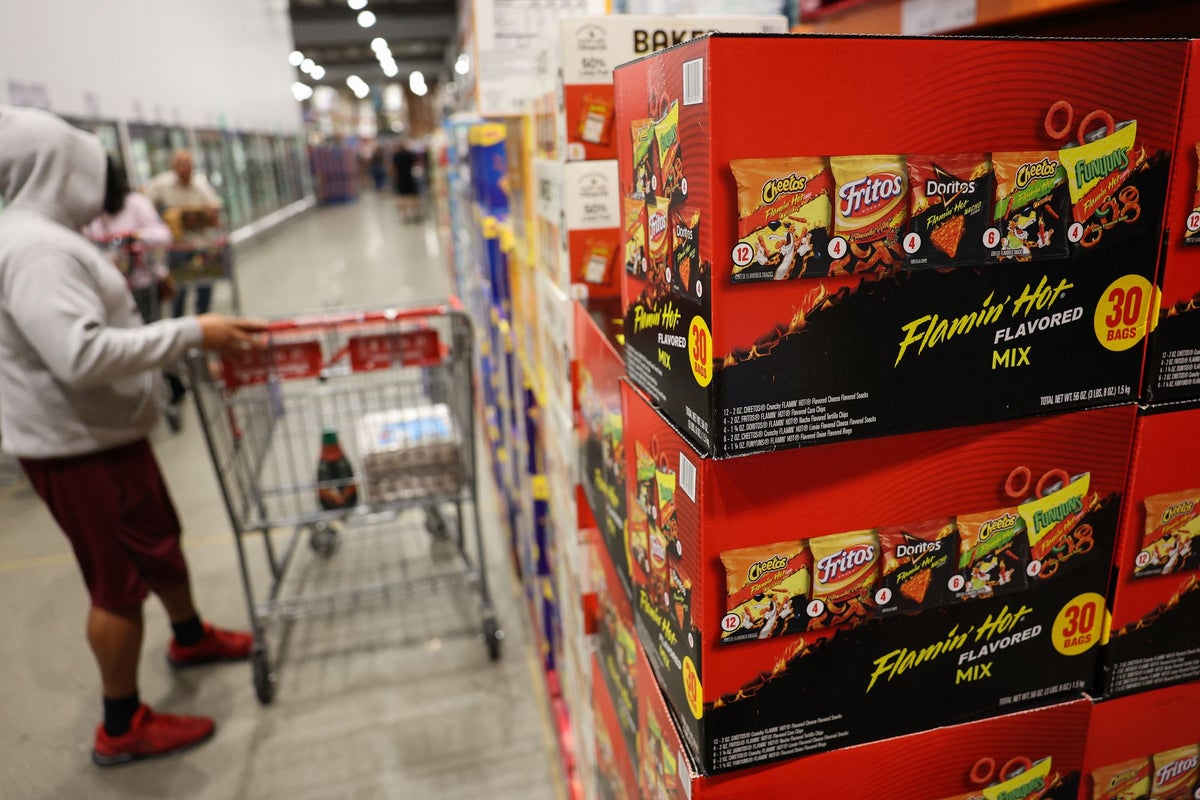
The U.S. Food and Drug Administration (FDA) has approved a new natural food dye derived from beetroot, marking a significant step in the initiative led by Health Secretary Robert F. Kennedy, Jr. to eliminate synthetic, petroleum-based dyes from the American food supply. This reddish dye can be used in various products, including yogurt, ice cream, salad dressings, meat products, soft drinks, and candies.
The FDA has also expanded the use of spirulina extract, a blue-green color sourced from blue-green algae that is already utilized in items like chewing gum, frosting, cereals, condiments, beverages, and dairy products. These changes aim to address growing health concerns associated with synthetic dyes, which have been linked to behavioral issues in children. Research conducted in California has indicated that synthetic dyes may exacerbate hyperactivity in some children.
Kennedy described the FDA’s decision as “real progress.” He stated, “We are making it easier for companies to move away from petroleum-based synthetic colors and adopt safer, naturally derived alternatives. This momentum advances our broader effort to help Americans eat real food and Make America Healthy Again.”
Expanding Natural Color Options
With the latest approvals, the total number of new food color options sanctioned by the FDA has increased to six. This includes gardenia blue, galdieria extract blue, butterfly pea flower extract, and calcium phosphate. According to a study released in June, synthetic dyes were present in one in five packaged food and drink products in the U.S. The National Confectioners Association challenged these findings, claiming they contained “major gaps” not supported by data.
The push against synthetic dyes was initially announced by Kennedy and health officials from the Trump administration in the spring of 2022, urging the food industry to voluntarily phase out these substances. Following this initiative, Mars Wrigley North America revealed that its M&Ms and Skittles will offer options free from synthetic dyes this year. Similarly, PepsiCo, Inc. has fulfilled its commitment to produce new Cheetos and Doritos products entirely without artificial colors. Other major companies, including Kraft Heinz, General Mills, The Hershey Company, McCormick & Co., J.M. Smucker, and Nestlé USA, have also made pledges to reformulate their products.
Industry Transition and Challenges
In conjunction with these changes, the FDA announced that companies could label their products as containing “no artificial colors” when they do not include petroleum-based colors, rather than indicating there are no added colors at all. Kyle Diamantas, Deputy Commissioner for Human Foods, emphasized the agency’s commitment to facilitating the transition away from petroleum-based colors and expediting the approval of alternatives.
Experts suggest that fully transitioning the industry away from synthetic dyes may take three to four years. Paul Manning, CEO of the colors marketing company Sensient, noted the logistical challenges, stating, “It’s not like there’s 150 million pounds of beet juice sitting around waiting on the off chance the whole market may convert. Tens of millions of pounds of these products need to be grown, pulled out of the ground, extracted.”
As the FDA continues to approve natural color alternatives, the food industry is likely to see significant changes in product formulation, reflecting a growing consumer demand for healthier, more natural ingredients.









Belfast Gears Up for Vibrant St Patrick’s Day Parade on March 17

Cuba Faces Nationwide Blackout Amid Deepening Energy Crisis

Wirral Council to Restructure Leadership, Cutting Two Top Roles

Rethinking Resistance Training: Key Insights from US Experts

EU Membership on the Horizon: What It Means for Citizens

Ukrainian Drone Swarms Strike Moscow Region for Second Day

Henley Launches Innovative Initiative to Boost Local Economy

Court Ruling Allows Pandemic Tax Refund Claims Until 2026

Sean Penn’s Absence at 2026 Oscars Sparks Discussion

Coronation Street’s Shocking Murder Twist Reveals Family Secrets

Andrew Pierce Confirms Departure from ITV’s Good Morning Britain

Katie Price Faces New Health Concerns After Cancer Symptoms Resurface

Gyles Brandreth Shares Grandson’s Cancer Battle and Recovery

Sue Radford Reveals Weight Loss Journey, Shedding 12–13 kg

Kate Garraway Sells £2 Million Home Amid Financial Struggles

Jordan Brook Faces Health Crisis in Hospital as Sophie Kasaei Stays Away

EastEnders’ Nicola Mitchell Faces Unexpected Pregnancy Crisis

Reddit Study Reveals Distinctions Between Lurkers and Power Users
-
 World8 months ago
Coronation Street’s Shocking Murder Twist Reveals Family Secrets
-
 Entertainment8 months ago
Andrew Pierce Confirms Departure from ITV’s Good Morning Britain
-
 Health11 months ago
Katie Price Faces New Health Concerns After Cancer Symptoms Resurface
-
 Health6 months ago
Gyles Brandreth Shares Grandson’s Cancer Battle and Recovery
-
 Health6 months ago
Sue Radford Reveals Weight Loss Journey, Shedding 12–13 kg
-
 Entertainment12 months ago
Kate Garraway Sells £2 Million Home Amid Financial Struggles
-
 Entertainment4 months ago
Jordan Brook Faces Health Crisis in Hospital as Sophie Kasaei Stays Away
-
 World9 months ago
EastEnders’ Nicola Mitchell Faces Unexpected Pregnancy Crisis
-
 Science8 months ago
Reddit Study Reveals Distinctions Between Lurkers and Power Users
-

 World8 months ago
Mother Charged After Son, 9, Killed in Tragic Incident in Italy
-

 Entertainment11 months ago
Ann Ming Reflects on ITV’s ‘I Fought the Law’ Drama
-

 World8 months ago
Bailey Announces Heartbreaking Split from Rebecca After Reunion