
World
Volcanic Eruptions Linked to Rise of the Black Death in Europe

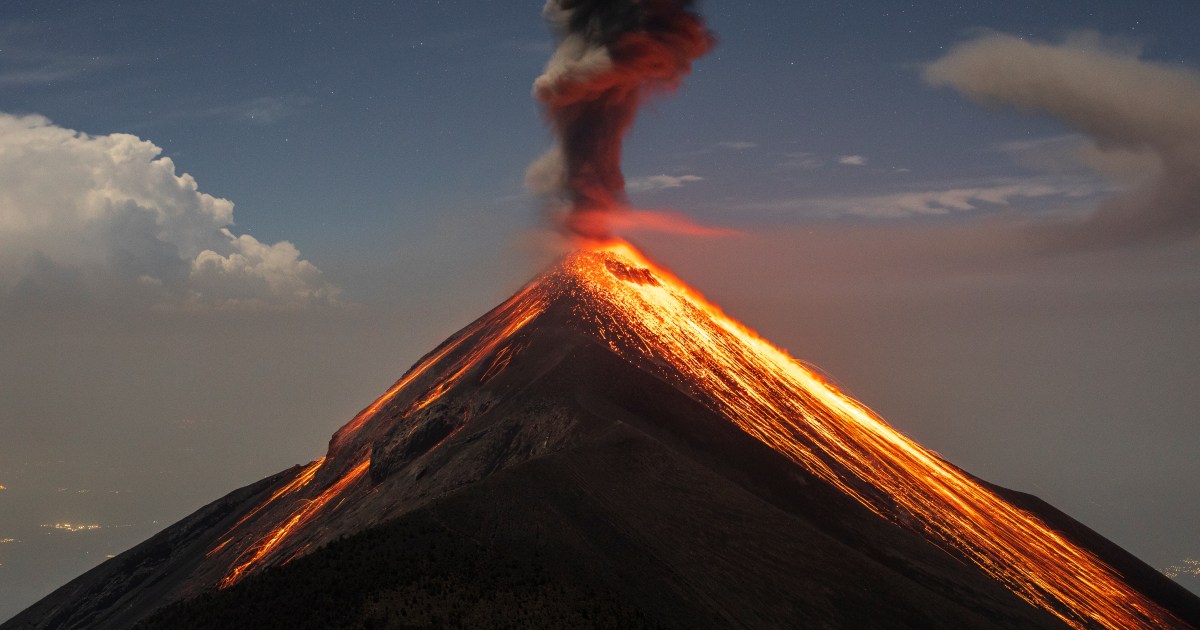
The devastating impact of the Black Death on medieval Europe may have deeper roots than previously understood. A recent study suggests that volcanic eruptions occurring in the years leading up to the pandemic may have played a crucial role in creating conditions that facilitated its spread. Researchers have identified a significant volcanic event around 1345 CE, which likely led to a series of unusually cold summers. These climatic changes contributed to widespread famine across the Mediterranean region, setting the stage for the plague’s arrival.
Researchers examined a variety of historical data, including tree ring growth from eight European regions, volcanic sulfur levels preserved in Antarctic and Greenland ice cores, and documented accounts from the fourteenth century. They discovered that a major eruption or a series of smaller eruptions resulted in increased atmospheric sulfur and ash, which disrupted weather patterns. This led to crop failures and food shortages in areas such as Spain, southern France, northern and central Italy, Egypt, and the Levant.
The famine prompted Italian maritime powers to seek grain shipments from the Black Sea region around 1347 CE. While these imports helped stave off immediate starvation, the timing of the grain’s arrival coincided with the first outbreaks of the plague in port cities. This raises the possibility that fleas carrying the bacterium Yersinia pestis, which caused the Black Death, may have traveled alongside the grain shipments, accelerating the spread of the disease across Europe.
Co-author Professor Ulf Büntgen expressed his long-standing curiosity about the factors that led to the onset of the Black Death, stating, “What were the drivers of the onset and transmission of the Black Death, and how unusual were they? Why did it happen at this exact time and place in European history?” His inquiry highlights the complex interplay of environmental and societal factors that contributed to this catastrophic event.
Dr. Martin Bauch, another co-author, noted that the powerful Italian city-states had established extensive trade networks, which were initially effective in preventing starvation. However, these same networks inadvertently facilitated a far greater disaster. Interestingly, the study suggests that some major cities, including Milan and Rome, were likely spared from the Black Death, possibly because they did not require grain imports after the climatic upheaval began in 1345.
The researchers characterize the confluence of climatic, agricultural, societal, and economic factors after 1345 as a “perfect storm” that contributed to the Black Death. They argue that this event serves as an early example of the consequences of globalization. Professor Büntgen noted the increasing likelihood of zoonotic diseases emerging in a changing climate, stating, “The probability of zoonotic diseases emerging under climate change and translating into pandemics is likely to increase in a globalized world. This is especially relevant given our recent experiences with Covid-19.”
This study sheds light on the multifaceted causes behind one of history’s most infamous pandemics, illustrating the interconnectedness of environmental factors and human society. As researchers continue to explore these historical events, the findings further contribute to our understanding of how global factors can influence health crises.












Belfast Gears Up for Vibrant St Patrick’s Day Parade on March 17

Cuba Faces Nationwide Blackout Amid Deepening Energy Crisis

Wirral Council to Restructure Leadership, Cutting Two Top Roles

Rethinking Resistance Training: Key Insights from US Experts

EU Membership on the Horizon: What It Means for Citizens

Ukrainian Drone Swarms Strike Moscow Region for Second Day

Henley Launches Innovative Initiative to Boost Local Economy

Court Ruling Allows Pandemic Tax Refund Claims Until 2026

Sean Penn’s Absence at 2026 Oscars Sparks Discussion

Coronation Street’s Shocking Murder Twist Reveals Family Secrets

Andrew Pierce Confirms Departure from ITV’s Good Morning Britain

Katie Price Faces New Health Concerns After Cancer Symptoms Resurface

Sue Radford Reveals Weight Loss Journey, Shedding 12–13 kg

Kate Garraway Sells £2 Million Home Amid Financial Struggles

Jordan Brook Faces Health Crisis in Hospital as Sophie Kasaei Stays Away

EastEnders’ Nicola Mitchell Faces Unexpected Pregnancy Crisis

Bailey Announces Heartbreaking Split from Rebecca After Reunion

Ann Ming Reflects on ITV’s ‘I Fought the Law’ Drama
-
 World4 months ago
Coronation Street’s Shocking Murder Twist Reveals Family Secrets
-
 Entertainment4 months ago
Andrew Pierce Confirms Departure from ITV’s Good Morning Britain
-
 Health7 months ago
Katie Price Faces New Health Concerns After Cancer Symptoms Resurface
-
 Health3 months ago
Sue Radford Reveals Weight Loss Journey, Shedding 12–13 kg
-
 Entertainment8 months ago
Kate Garraway Sells £2 Million Home Amid Financial Struggles
-
 Entertainment4 weeks ago
Jordan Brook Faces Health Crisis in Hospital as Sophie Kasaei Stays Away
-
 World5 months ago
EastEnders’ Nicola Mitchell Faces Unexpected Pregnancy Crisis
-
 World5 months ago
Bailey Announces Heartbreaking Split from Rebecca After Reunion
-
 Entertainment7 months ago
Ann Ming Reflects on ITV’s ‘I Fought the Law’ Drama
-

 Entertainment2 months ago
Selena Gomez’s Name Linked to Epstein: Examining the Claims
-

 Health7 months ago
TOWIE Stars Sophie Kasaei and Jordan Brook Pursue Fertility Treatment
-

 Health8 months ago
Fiona Phillips’ Husband Shares Heartbreaking Update on Her Health