
Science
Innovative Techniques Advance Underwater Animal Tracking Methods

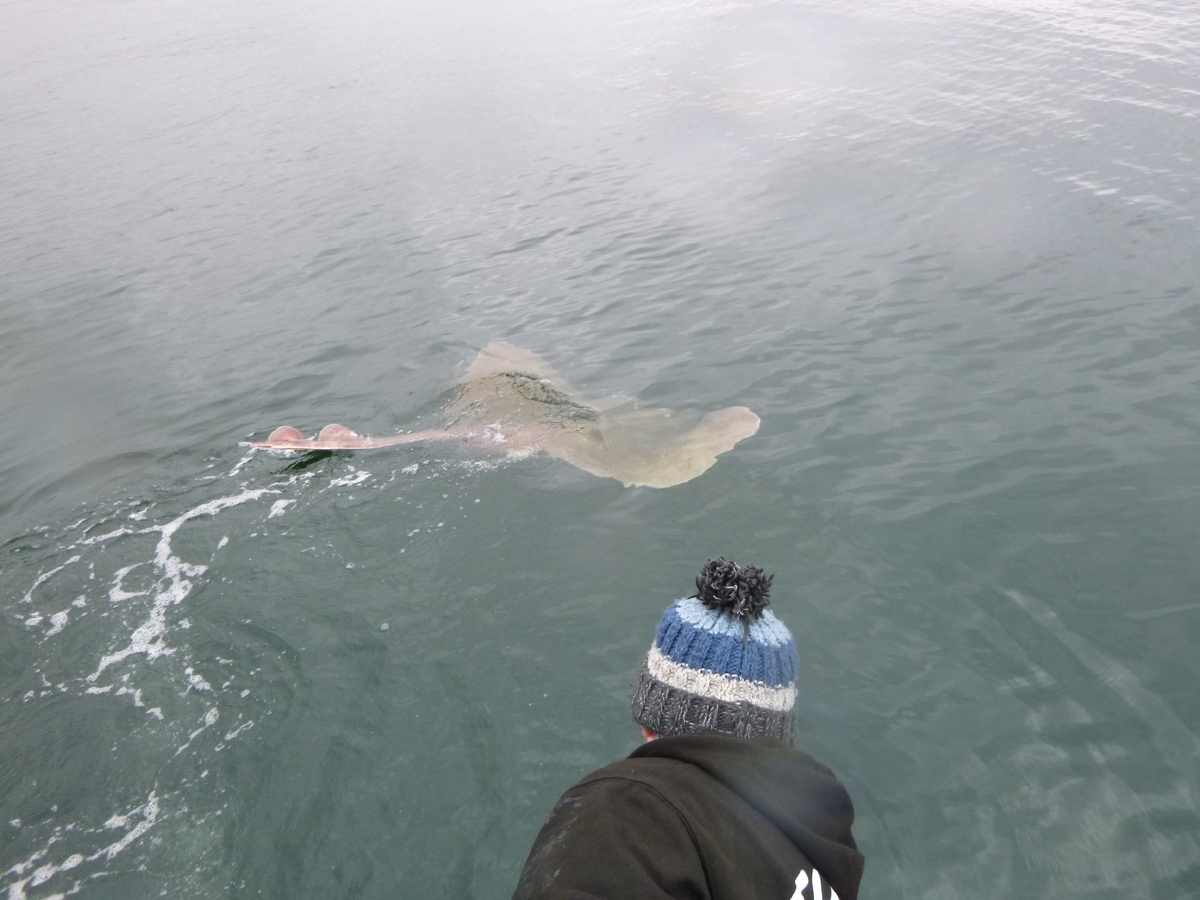
A team of researchers at the University of California, Santa Barbara has made significant strides in the field of underwater animal tracking. By employing techniques inspired by military and aerospace technology, they have developed new methods that promise to enhance the understanding of marine life behaviors and habitats.
The innovative approach, detailed in a study published in March 2024, integrates advanced tracking systems that have traditionally been used for monitoring aircraft and naval vessels. This adaptation allows scientists to gather more precise data about the movements of various underwater species, providing insights that were previously difficult to obtain.
Enhanced Tracking Capabilities
The researchers utilized sophisticated algorithms and hardware that improve the accuracy of tracking devices. These systems can now capture real-time data on animal movement patterns, migration routes, and environmental interactions. This leap forward is particularly beneficial for species that inhabit deep-sea environments, where traditional tracking methods often fall short.
According to the study, this new technology could significantly impact conservation efforts. With enhanced tracking, scientists can better assess the impacts of climate change and human activities on marine ecosystems. For instance, understanding how fish populations respond to changing ocean temperatures can inform sustainable fishing practices and protect critical habitats.
Strong collaboration with organizations such as the National Oceanic and Atmospheric Administration (NOAA) has also been crucial in this research. Their support has facilitated field trials and data collection, allowing researchers to validate their methods in various marine environments.
Potential for Broader Applications
The implications of this research extend beyond tracking fish. The methodologies developed may also be applicable to other marine animals, including mammals and reptiles. As these techniques continue to evolve, they could revolutionize the way scientists study and protect marine biodiversity.
The success of this project reflects a growing trend in the use of cross-disciplinary approaches to tackle complex environmental challenges. By drawing from established techniques in military and aerospace sectors, researchers are finding innovative solutions that push the boundaries of what is possible in marine biology.
In summary, the breakthrough achieved by the team at the University of California, Santa Barbara not only enhances underwater tracking capabilities but also opens new avenues for marine research and conservation. As this technology develops, it holds promise for a deeper understanding of our oceans and the myriad species that inhabit them.












Innovative Techniques Advance Underwater Animal Tracking Methods

Primorac Signs Đuro Radović and Marko Petković Ahead of Season’s Second Half

Memorial Ceremony to Honor Fallen Prison Officers in Lisburn

Victoria Beckham Faces £350 Million Sale Amid Brand Struggles

Skincare Innovations Claim to Rival In-Clinic Treatments

US and Russia Hold Productive Talks in Kremlin Over Ukraine Conflict

Labour Demands Clarity on Inquiry into Grooming Gangs in Scotland

Explore the Best Science and Nature Books of 2025

New Bridges Named After Serbian Kings Open in Pljevlja

Ann Ming Reflects on ITV’s ‘I Fought the Law’ Drama

Kate Garraway Sells £2 Million Home Amid Financial Struggles

Katie Price Faces New Health Concerns After Cancer Symptoms Resurface

Coronation Street’s Carl Webster Faces Trouble with New Affairs

Coronation Street Fans React as Todd Faces Heartbreaking Choice

Where is Tinder Swindler Simon Leviev? Latest Updates Revealed

Bailey Announces Heartbreaking Split from Rebecca After Reunion

Markiplier Addresses AI Controversy During Livestream Response

Brian Cox Addresses Claims of Alien Probe in 3I/ATLAS Discovery
-
 Entertainment3 months ago
Ann Ming Reflects on ITV’s ‘I Fought the Law’ Drama
-
 Entertainment4 months ago
Kate Garraway Sells £2 Million Home Amid Financial Struggles
-
 Health3 months ago
Katie Price Faces New Health Concerns After Cancer Symptoms Resurface
-
 Entertainment3 months ago
Coronation Street’s Carl Webster Faces Trouble with New Affairs
-
 Entertainment2 weeks ago
Coronation Street Fans React as Todd Faces Heartbreaking Choice
-
 Entertainment3 months ago
Where is Tinder Swindler Simon Leviev? Latest Updates Revealed
-
 World2 weeks ago
Bailey Announces Heartbreaking Split from Rebecca After Reunion
-
 Entertainment4 months ago
Markiplier Addresses AI Controversy During Livestream Response
-
 Science1 month ago
Brian Cox Addresses Claims of Alien Probe in 3I/ATLAS Discovery
-

 Health5 months ago
Carol Vorderman Reflects on Health Scare and Family Support
-

 Entertainment4 months ago
Kim Cattrall Posts Cryptic Message After HBO’s Sequel Cancellation
-

 Entertainment3 months ago
Olivia Attwood Opens Up About Fallout with Former Best Friend