
Science
China Taps UK Research for Military Advancements Through Collaborations

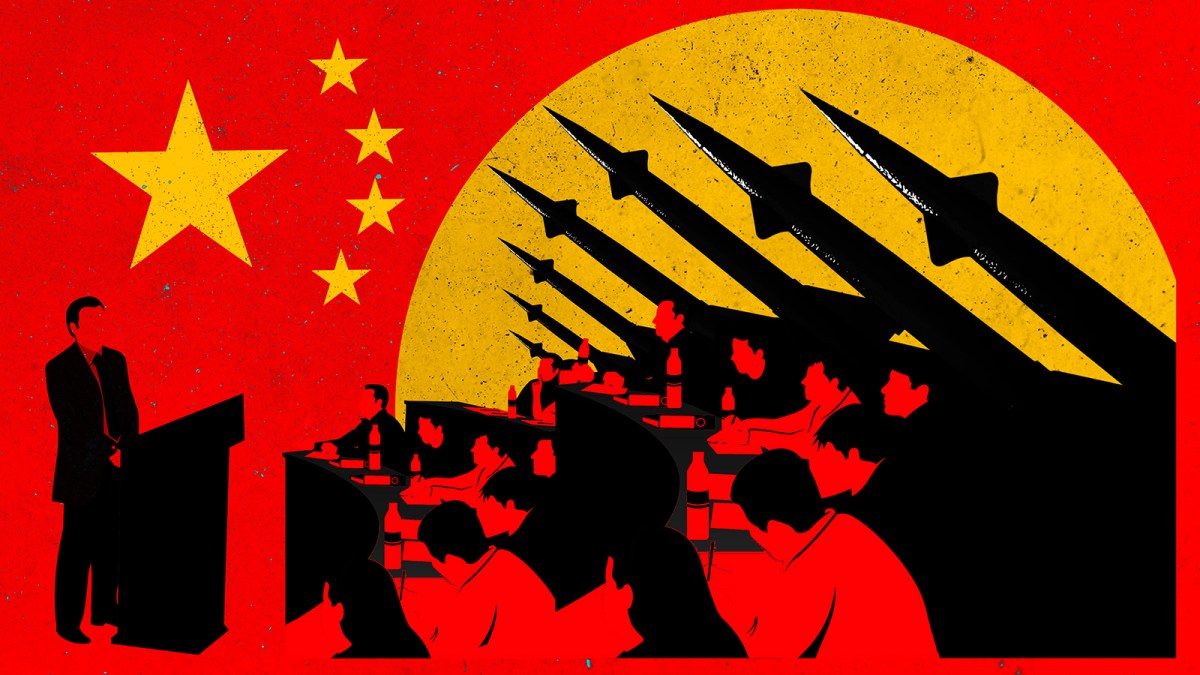
A new report has indicated that China is engaging in systematic efforts to leverage academic research from the United Kingdom to enhance its military capabilities. The study, conducted by UK Research and Innovation, reveals that approximately 8,000 scientific papers have been authored through collaborations involving around 5,000 academics linked to the People’s Liberation Army (PLA).
This investigation highlights a significant concern regarding the extent of these partnerships, particularly in fields that could directly benefit military applications. The report underscores the strategic importance of academic research in modern warfare, suggesting that the PLA is increasingly focused on integrating advanced scientific findings into its operations.
Collaborative Research and Military Implications
The findings indicate that a growing number of UK-based researchers are collaborating with Chinese institutions, some of which have direct ties to the PLA. These collaborations often occur under the guise of civilian scientific inquiry, yet the implications for military advancement are profound. The report emphasizes that many of these research projects could lead to innovations with dual-use technologies, which can serve both civilian and military purposes.
The UK government has expressed concerns about the security implications of these partnerships. Officials are now calling for stricter regulations to protect sensitive research areas and to ensure that collaborative efforts do not inadvertently contribute to military enhancements. The report serves as a wake-up call, prompting discussions about the need for enhanced scrutiny of international academic collaborations.
Responses from Academic Institutions
In light of the report, several academic institutions in the UK have initiated reviews of their partnerships with Chinese entities. Some universities are reassessing their engagement strategies to mitigate potential risks associated with military applications of their research. This proactive approach aims to strike a balance between fostering international collaboration and safeguarding national security interests.
Academics involved in such collaborations have varied opinions on the report’s implications. While some argue that international partnerships are essential for scientific advancement, others acknowledge the risks posed by potential military applications. The need for transparency and ethical considerations in research collaborations has become a focal point in ongoing discussions among researchers.
As the UK navigates its relationship with China, the ramifications of this report could lead to significant changes in how academic research is conducted and shared internationally. The emphasis on protecting national interests while promoting scientific knowledge continues to shape the dialogue around global academic partnerships.
The revelation of China’s systematic use of UK research for military advantage is likely to influence policy decisions and collaborative frameworks moving forward. As nations assess the landscape of international research and its implications for security, the need for vigilance and ethical considerations remains paramount.











Interstellar Object 3I/ATLAS Could Carry Life to Earth

Pacquiao Sons Rise in Boxing: Could They Face Off in the Ring?

Indonesia Seeks $3 Billion for Reconstruction After Floods

Manny Pacquiao’s Sons Rise in Boxing: Clash on the Horizon?

Shetland Islands Council Faces Scrutiny Over £9,500 Report

Trump Indicates Potential Intervention in Netflix-Warner Bros. Merger

Surge in Under-18s Using Snus Raises Health Concerns

Renowned Physicist Ivica Puljak Discusses Humanity’s Place in Space

Swinney Advocates Independence as Fresh Start, Criticizes Starmer

Ann Ming Reflects on ITV’s ‘I Fought the Law’ Drama

Kate Garraway Sells £2 Million Home Amid Financial Struggles

Katie Price Faces New Health Concerns After Cancer Symptoms Resurface

Coronation Street Fans React as Todd Faces Heartbreaking Choice

Coronation Street’s Carl Webster Faces Trouble with New Affairs

Kevin Sinfield Exceeds Fundraising Goal Ahead of Final Marathons

Bailey Announces Heartbreaking Split from Rebecca After Reunion

Where is Tinder Swindler Simon Leviev? Latest Updates Revealed

Two Stars Evicted from I’m A Celebrity Just Days Before Finale
-
 Entertainment3 months ago
Ann Ming Reflects on ITV’s ‘I Fought the Law’ Drama
-
 Entertainment4 months ago
Kate Garraway Sells £2 Million Home Amid Financial Struggles
-
 Health3 months ago
Katie Price Faces New Health Concerns After Cancer Symptoms Resurface
-
 Entertainment3 weeks ago
Coronation Street Fans React as Todd Faces Heartbreaking Choice
-
 Entertainment3 months ago
Coronation Street’s Carl Webster Faces Trouble with New Affairs
-
 World3 days ago
Kevin Sinfield Exceeds Fundraising Goal Ahead of Final Marathons
-
 World3 weeks ago
Bailey Announces Heartbreaking Split from Rebecca After Reunion
-
 Entertainment3 months ago
Where is Tinder Swindler Simon Leviev? Latest Updates Revealed
-
 Entertainment2 days ago
Two Stars Evicted from I’m A Celebrity Just Days Before Finale
-

 Entertainment4 months ago
Markiplier Addresses AI Controversy During Livestream Response
-

 Science2 months ago
Brian Cox Addresses Claims of Alien Probe in 3I/ATLAS Discovery
-

 Health5 months ago
Carol Vorderman Reflects on Health Scare and Family Support