
Lifestyle
Tensions Rise Over Wastewater Plant Plans in Montenegro

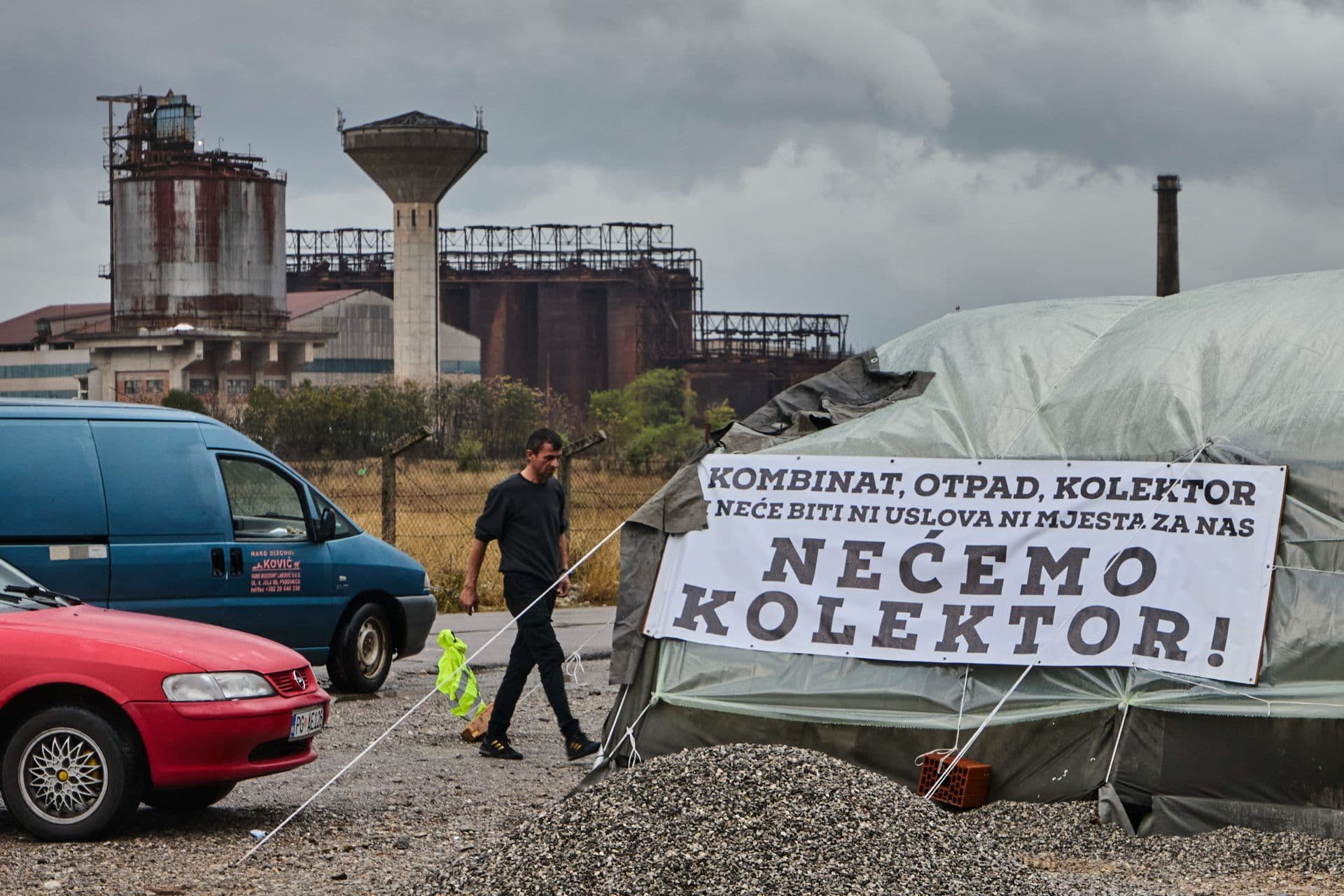
Plans for a new wastewater treatment facility in the village of Botun, located within the municipality of Zeta near Montenegro’s capital, Podgorica, are stirring significant public unrest. Residents have been protesting for nearly a month, expressing concerns that the new collector system will pose a threat to their health and the environment. The local government has scheduled a referendum for December 14, 2023, to gauge community support for the proposed development.
Opposition to the project is rooted in longstanding grievances regarding the existing wastewater system, which has been in place since 1978 and is inadequate for Podgorica’s current population of almost 180,000. The facility was initially designed to serve just 55,000 residents. Local activist Jagoš Bećirović stated that the community will make a definitive decision after the referendum on whether they support the construction of the collector in Botun.
The municipality of Zeta has indicated that while 12,747 residents are eligible to vote in the referendum, the result will not be binding for Podgorica. This creates a complex dynamic as local leaders navigate the interests of their constituents against the backdrop of broader environmental and financial implications.
Government Response and Environmental Concerns
In a bid to address local concerns, Prime Minister Milojko Spajic and Podgorica Mayor Sasa Mujovic met with residents to discuss the project. They assured the community that the government would remediate existing environmental issues in Botun, such as the infamous red sludge pools, and commit to continuous monitoring of emissions. Mujovic emphasized the government’s commitment to health and safety, stating, “I genuinely want reason to prevail, as I believe the offer from the government and the capital city is extremely fair. The facility is not a polluter, citizen health is not at risk, and there is no reason not to commence construction at the defined location.”
The proposed facility represents the largest ecological project supported by the European Union in Montenegro, which has allocated nearly €33 million in non-repayable funds to establish a new sewage system and collector. If construction does not commence by the end of the year, Podgorica risks losing approximately €100 million in funding, which could jeopardize progress towards meeting EU environmental standards.
Political Implications and Ongoing Protests
The protests have drawn in various political actors, with the leader of the ruling Democratic People’s Party (DNP), Milan Knezevic, publicly opposing the construction plans. Knezevic has threatened to withdraw his party from the governing coalition in Podgorica if the project moves forward. He voiced concerns about potential confrontations between local authorities and protesters, stating, “If the police start to beat the residents of Zeta, we will leave the government of Montenegro.”
The opposition to the construction of the collector has found support among various parties, including the SNP and local officials from the Democratic Montenegro and New Serbian Democracy parties. While these factions rally against the project locally, their leaders at the national level have mostly refrained from opposing the government’s plans, raising questions about the authenticity of their stances.
The situation in Botun underscores a broader tension between local interests and national obligations, particularly as Montenegro seeks to align with EU environmental regulations. The project aims to fulfill Montenegro’s commitment to have a total of 29 wastewater treatment facilities operational by 2035, ensuring that 95 percent of the population has access to a proper sewage system.
As the community prepares for the referendum, the stakes are high, not only for the residents of Botun but for the future of environmental management and political stability in Montenegro. The outcome could either pave the way for crucial infrastructure improvements or exacerbate existing tensions between local authorities and the central government.







Podgorica Faces Environmental Crisis Over Controversial Waste Project

Major Supermarkets Launch Christmas Food Deliveries Ahead of Holiday

Together For Palestine Launches Charity Single ‘LULLABY’ for Christmas

New Look Launches £15 Party Top Ahead of Holiday Season

Tensions Rise Over Wastewater Plant Plans in Montenegro

Council Prepares for Visitor Levy Legislation and Next Steps

Taynuilt Community Choir Celebrates Debut Year with Sold-Out Concert

Council Faces Budget Challenges After Proposal Motion Fails

Taynuilt Community Choir Celebrates Success with Sold-Out Concert

Coronation Street’s Shocking Murder Twist Reveals Family Secrets

Kate Garraway Sells £2 Million Home Amid Financial Struggles

Ann Ming Reflects on ITV’s ‘I Fought the Law’ Drama

Katie Price Faces New Health Concerns After Cancer Symptoms Resurface

Coronation Street Fans React as Todd Faces Heartbreaking Choice

Bailey Announces Heartbreaking Split from Rebecca After Reunion

Two Stars Evicted from I’m A Celebrity Just Days Before Finale

Kevin Sinfield Exceeds Fundraising Goal Ahead of Final Marathons

Coronation Street’s Carl Webster Faces Trouble with New Affairs
-
 World4 days ago
Coronation Street’s Shocking Murder Twist Reveals Family Secrets
-
 Entertainment4 months ago
Kate Garraway Sells £2 Million Home Amid Financial Struggles
-
 Entertainment3 months ago
Ann Ming Reflects on ITV’s ‘I Fought the Law’ Drama
-
 Health3 months ago
Katie Price Faces New Health Concerns After Cancer Symptoms Resurface
-
 Entertainment4 weeks ago
Coronation Street Fans React as Todd Faces Heartbreaking Choice
-
 World4 weeks ago
Bailey Announces Heartbreaking Split from Rebecca After Reunion
-
 Entertainment7 days ago
Two Stars Evicted from I’m A Celebrity Just Days Before Finale
-
 World7 days ago
Kevin Sinfield Exceeds Fundraising Goal Ahead of Final Marathons
-
 Entertainment3 months ago
Coronation Street’s Carl Webster Faces Trouble with New Affairs
-

 Entertainment3 months ago
Where is Tinder Swindler Simon Leviev? Latest Updates Revealed
-

 Entertainment4 months ago
Markiplier Addresses AI Controversy During Livestream Response
-

 Science2 months ago
Brian Cox Addresses Claims of Alien Probe in 3I/ATLAS Discovery