
Lifestyle
Residents of Botun Reject Government’s Wastewater Plant Proposal

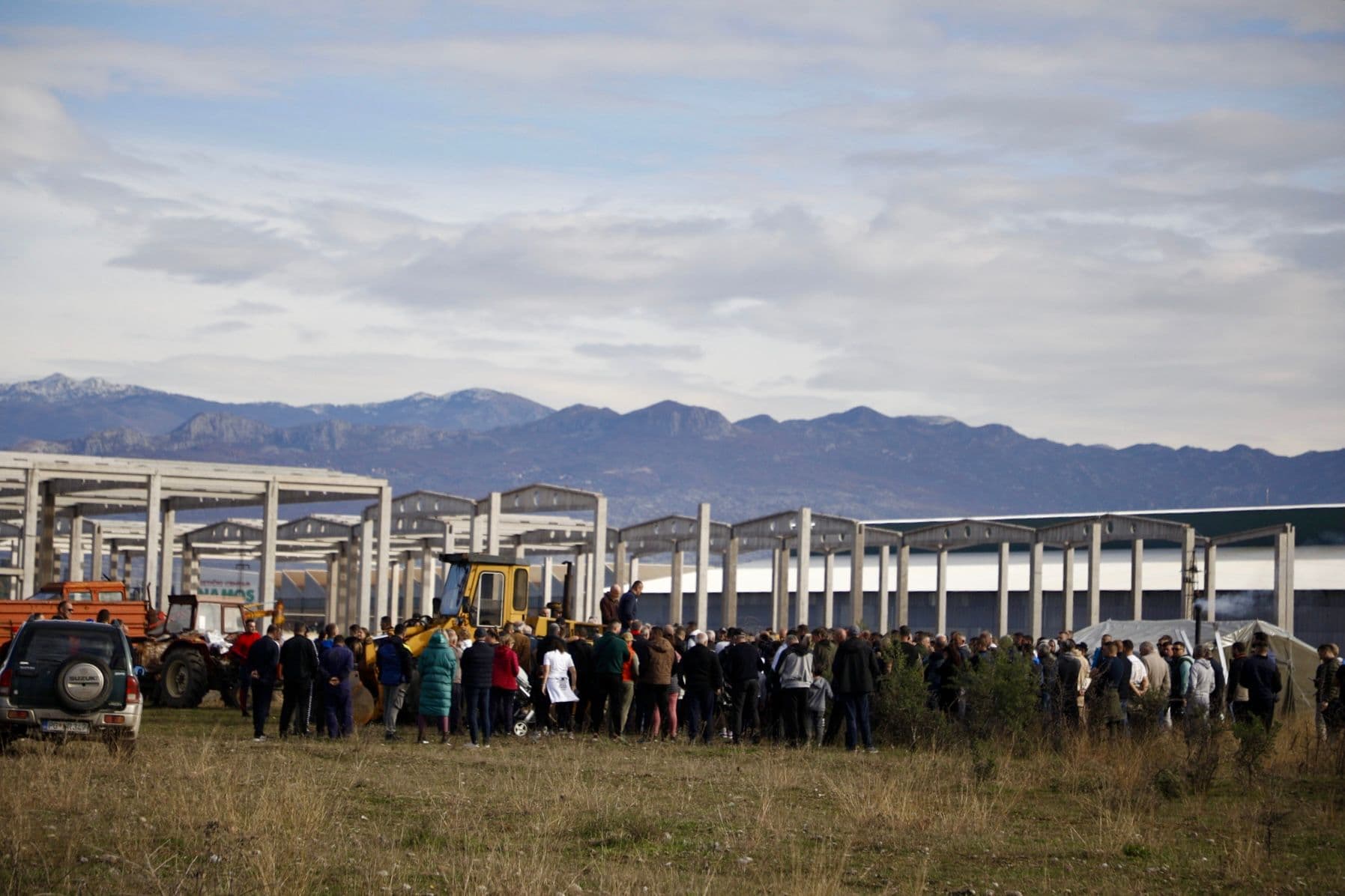
The ongoing dispute over the construction of a wastewater treatment plant in Botun has reached a critical juncture, with local residents firmly rejecting the government’s latest proposal. Despite assurances from the government, including a commitment that the collector will not be operational until the red sludge basin issue is resolved, Botun’s community members remain unconvinced and dissatisfied with the offer.
In a recent announcement, the government provided guarantees intended to address residents’ concerns. These included a promise that the collector will not be activated until the long-standing issue with the red sludge basin is resolved. However, the response from Botun’s residents has been one of disappointment. They expressed their frustration, stating that the proposal mirrors earlier suggestions made by Podgorica Mayor Saša Mujović, which they found unacceptable.
“The government’s offer is disappointing. They are not listening to us,” said a local representative. “We are against the location, yet they present us with proposals we have already heard. This is simply unacceptable, and we will not back down.” The lack of dialogue and understanding from officials has only heightened tensions.
During a press conference, local political leaders, including Milan Knežević, emphasized that the decision regarding the wastewater plant should ultimately rest with the citizens. They pointed out that the government’s documentation fails to address the critical demand for a change in location, a key point of contention for the residents of Botun.
Mayor Mujović remains steadfast in his position, asserting that the location for the construction of the plant is non-negotiable. “There is an issue we cannot negotiate about any further, which is the site for the wastewater treatment facility in Botun,” he stated. He added that changing the location would require extensive new processes, including contamination studies and geological analyses, which could take an additional two to three years.
As of now, there is no confirmed start date for construction, although Mujović indicated that all necessary permits are in place. “From a permit perspective, we could begin tomorrow,” he noted. Nevertheless, he reiterated that the plant would not become operational until the municipality addressed the red sludge basin issue, which he estimates will cost around €10 million to resolve.
The urgency of the situation is further complicated by a looming deadline. According to Mujović, the government has until December 31, 2023, to utilize available funding for the collector’s construction, sourced from loans and grants provided by the European Union. He stressed that the completion of this project is critical for Montenegro to close Chapter 27 regarding environmental and climate criteria, a requirement for EU accession.
The European Union has allocated nearly €33 million in grants for a new sewage system and the wastewater treatment facility for Podgorica. EU representatives have made it clear that Montenegro cannot close Chapter 27 without implementing the collector.
Additionally, Maida Gorčević, Minister for European Affairs, warned that any delays in starting construction could lead to significant financial repercussions for the government. She expressed full support for Mayor Mujović, commending his efforts to address the community’s longstanding issues.
Tensions have escalated, particularly with the upcoming local referendum on December 14, 2023, which Knežević insists will be binding regarding the construction of the wastewater facility. He warned that any police action against the citizens of Zeta would prompt him to initiate a withdrawal from government participation.
Knežević declared, “If the police take action against any resident of Botun or Zeta, I will activate a move to exit the government. I will advocate for the rights of the citizens regardless of the personal consequences.” He emphasized that his commitment to this cause has been unwavering for over two decades.
As both the government and local residents stand firm in their positions, the future of the wastewater treatment plant in Botun remains uncertain, with both sides awaiting the outcome of the referendum and further negotiations.













Belfast Gears Up for Vibrant St Patrick’s Day Parade on March 17

Cuba Faces Nationwide Blackout Amid Deepening Energy Crisis

Wirral Council to Restructure Leadership, Cutting Two Top Roles

Rethinking Resistance Training: Key Insights from US Experts

EU Membership on the Horizon: What It Means for Citizens

Ukrainian Drone Swarms Strike Moscow Region for Second Day

Henley Launches Innovative Initiative to Boost Local Economy

Court Ruling Allows Pandemic Tax Refund Claims Until 2026

Sean Penn’s Absence at 2026 Oscars Sparks Discussion

Coronation Street’s Shocking Murder Twist Reveals Family Secrets

Andrew Pierce Confirms Departure from ITV’s Good Morning Britain

Katie Price Faces New Health Concerns After Cancer Symptoms Resurface

Sue Radford Reveals Weight Loss Journey, Shedding 12–13 kg

Kate Garraway Sells £2 Million Home Amid Financial Struggles

Jordan Brook Faces Health Crisis in Hospital as Sophie Kasaei Stays Away

EastEnders’ Nicola Mitchell Faces Unexpected Pregnancy Crisis

Bailey Announces Heartbreaking Split from Rebecca After Reunion

Ann Ming Reflects on ITV’s ‘I Fought the Law’ Drama
-
 World4 months ago
Coronation Street’s Shocking Murder Twist Reveals Family Secrets
-
 Entertainment4 months ago
Andrew Pierce Confirms Departure from ITV’s Good Morning Britain
-
 Health7 months ago
Katie Price Faces New Health Concerns After Cancer Symptoms Resurface
-
 Health2 months ago
Sue Radford Reveals Weight Loss Journey, Shedding 12–13 kg
-
 Entertainment8 months ago
Kate Garraway Sells £2 Million Home Amid Financial Struggles
-
 Entertainment3 weeks ago
Jordan Brook Faces Health Crisis in Hospital as Sophie Kasaei Stays Away
-
 World5 months ago
EastEnders’ Nicola Mitchell Faces Unexpected Pregnancy Crisis
-
 World5 months ago
Bailey Announces Heartbreaking Split from Rebecca After Reunion
-
 Entertainment7 months ago
Ann Ming Reflects on ITV’s ‘I Fought the Law’ Drama
-

 Entertainment2 months ago
Selena Gomez’s Name Linked to Epstein: Examining the Claims
-

 Health7 months ago
TOWIE Stars Sophie Kasaei and Jordan Brook Pursue Fertility Treatment
-

 Health7 months ago
Fiona Phillips’ Husband Shares Heartbreaking Update on Her Health